
 Installer portal
 Solar Academy
 Download
 Solar Terminal


NZIA funding
for photovoltaics
What businesses and project developers need to know
Does the Net-Zero Industry Act promote photovoltaics?
The Net-Zero Industry Act (NZIA) is intended to strengthen the production of strategically important climate-neutral technologies in Europe. Photovoltaics are among these net-zero technologies. But does this also mean that there is a specific NZIA funding scheme for photovoltaics?
Not directly. The NZIA is not a traditional funding programme where operators of a photovoltaic system can simply apply for a grant. Instead, the NZIA creates a European framework that may, amongst other things, have an impact on public procurement, tenders and funding mechanisms for renewable energy.
In this context, criteria such as resilience, sustainability and the origin of strategically important PV components are becoming increasingly important. For companies, project developers, installers and investors, it may therefore be crucial in future not only whether a photovoltaic project receives funding – but also which technologies and components are used.
Are you planning a PV project with specific requirements regarding energy origin and resilience? Please
get in touch with us to discuss your project’s requirements.
Head of Sales for Germany, Austria and Switzerland (DACH
) Hans-Bernd Wiesener
Mobile: +49 172 8556959
Email: h.wiesener@kostal.com
Head of Sales for Europe
, Lars Brinkmeyer
Mobile: +49 163 9160186
Email: l.brinkmeyer@kostal.com
What is the NZIA grant scheme for photovoltaics?
Anyone searching for ‘NZIA support for photovoltaics’ should distinguish between two levels. Firstly, the NZIA is an industrial policy framework of the European Union. It is intended to strengthen European production capacities for net-zero technologies and reduce strategic dependencies.
The actual financial funding or support, on the other hand, can be provided through various European or national instruments. The NZIA can influence the conditions under which such instruments are designed and the additional criteria taken into account in tenders. For photovoltaic projects, therefore, factors other than price and technical performance may become relevant.
These include, in particular:
- Resilience
- Sustainability
- Origin
- Supply chain security
- European production capacity
- Other non-price criteria
Which photovoltaic technologies does the NZIA cover?
The NZIA does not view photovoltaics merely as a finished solar module. The strategically important PV value chain comprises various components.
These include, amongst others:
- Polysilicon for photovoltaics
- Ingots
- Wafers
- PV cells
- Solar glass
- PV modules
- PV inverters
- PV trackers and specific mounting structures
This means that, depending on the relevant subsidy, procurement or tendering procedures, different components of a photovoltaic system may be of relevance.
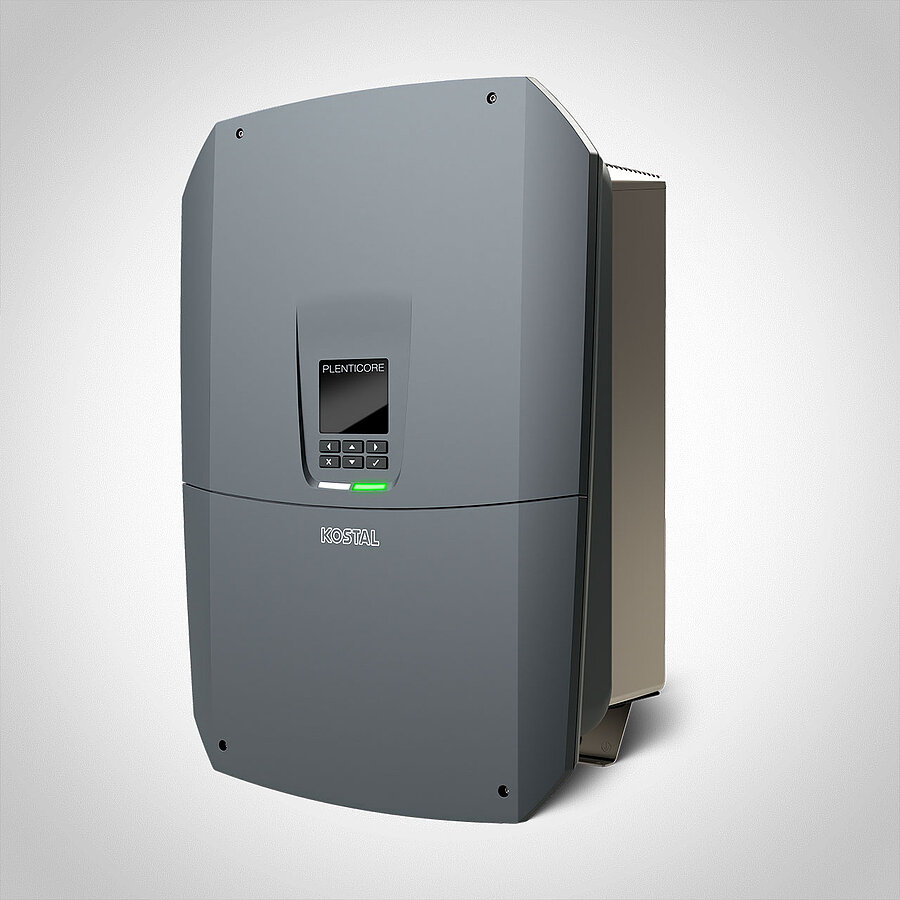
The selection of the inverter can therefore also form part of NZIA-oriented project planning.
What do funding schemes have to do with the NZIA?
European and national support mechanisms are not intended solely to accelerate the expansion of renewable energy. There is also a growing concern about where the necessary technologies are manufactured and how resilient their supply chains are. This is where the NZIA comes in. Where appropriate support and tendering mechanisms are in place, additional criteria can be introduced, for example, to:
- reduce dependence on individual third countries,
- strengthen European production capacities,
- promote more sustainable technologies,
- build more resilient supply chains.
As a result, the origin of the technology used may take on greater economic significance.
What are non-price criteria in PV funding?
In such procedures, the lowest price need not be the only relevant criterion for decision-making. Additional requirements can be taken into account via so-called non-price criteria. Depending on the procedure, these may include, for example:
- Resilience: To what extent is the technology or its supply chain dependent on individual third countries?
- Sustainability: What environmental requirements does the technology meet?
- Responsible supply chains: What requirements apply with regard to working conditions, human rights and transparency?
- Origin: Where are strategically relevant components manufactured?
Which criteria actually apply and how heavily they are weighted depends on the specific funding, auction or procurement procedure.
Take the NZIA and PV funding into account at an early stage
European photovoltaic policy continues to evolve. Alongside the rapid expansion of renewable energy, there is an increasing focus on resilience, European value creation and security of supply. It is therefore worthwhile for project developers, companies and installers to assess the following at an early stage for subsidised or publicly tendered PV projects:
What requirements apply – and which components meet them?
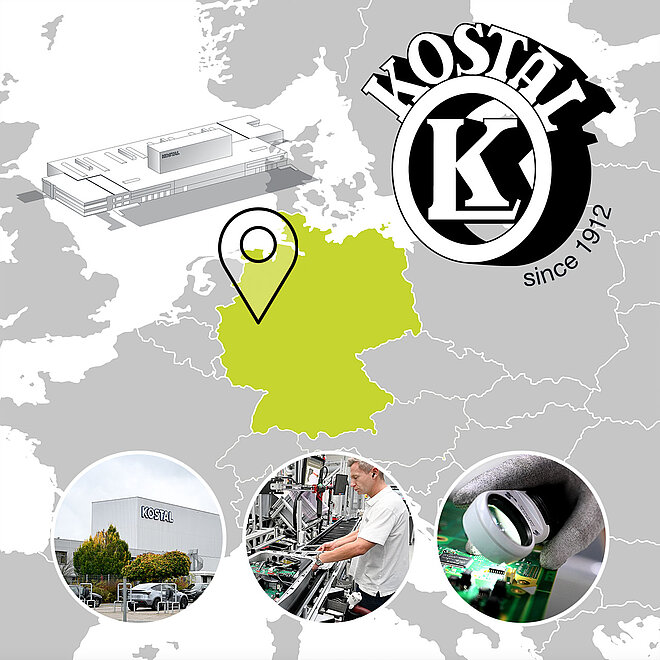
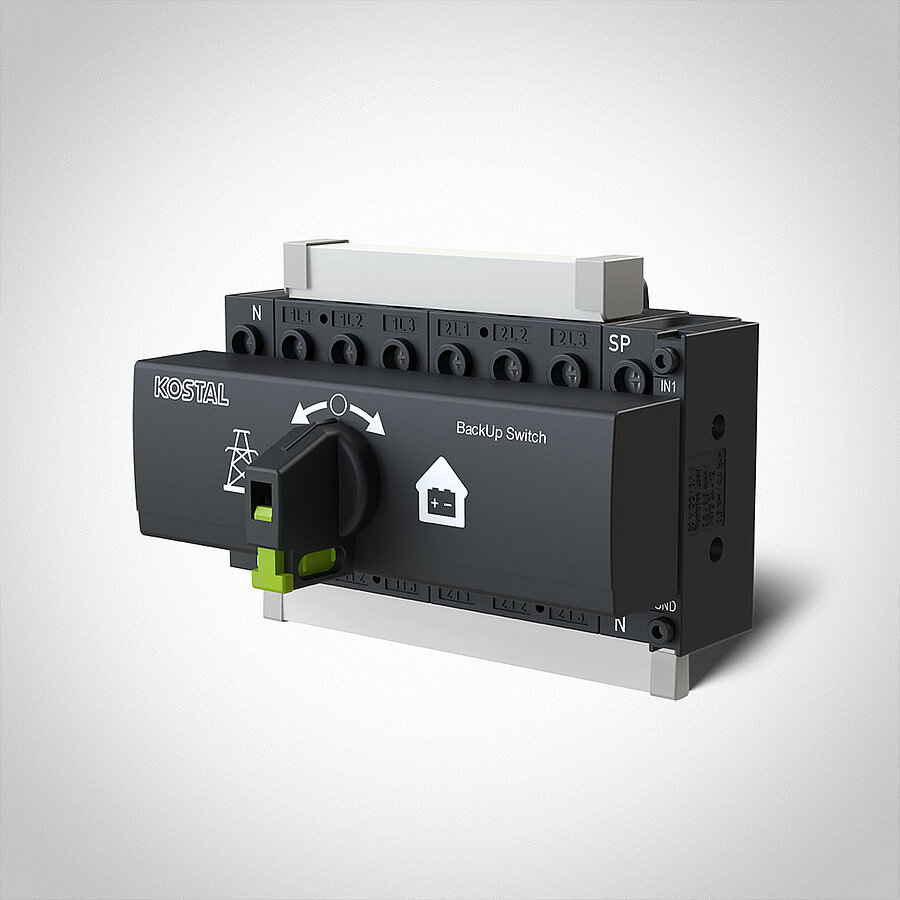
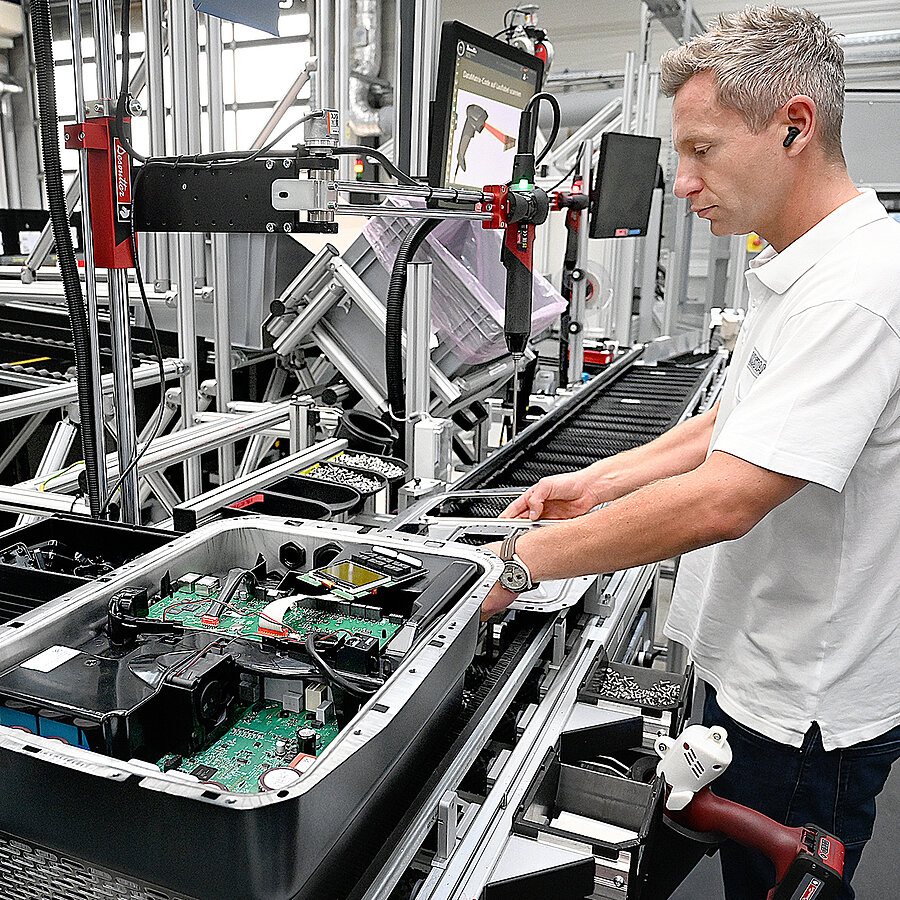
KOSTAL offers inverters manufactured in Germany and across Europe for residential, commercial and large-scale photovoltaic projects.
Plan your PV project with KOSTAL.
Head of Sales for Germany, Austria and Switzerland (DACH
), Hans-Bernd Wiesener
Mobile: +49 172 8556959
Email: h.wiesener@kostal.com
Head of Sales for Europe
Lars Brinkmeyer
Mobile: +49 163 9160186
Email: l.brinkmeyer@kostal.com
You might also be interested in this
Inverters Made in Germany
Where an inverter is developed and manufactured is becoming increasingly important. Find out why KOSTAL, with its inverters made in Germany, stands for quality, technological expertise and European value creation.
European inverters
for resilient PV systems
European manufacturing can help to strengthen supply chains and reduce strategic dependencies. Find out more about KOSTAL inverters ‘Made in Europe’ and their importance for a resilient photovoltaic sector.
What does the NZIA mean for photovoltaics?
The Net-Zero Industry Act is designed to strengthen Europe’s production of net-zero technologies. Find out what role resilience, origin, non-price criteria and European PV components play in this.
What role do inverters play in the NZIA?
The NZIA does not only apply to modules and solar cells. PV inverters are also key components of the PV value chain. Find out what this means for planning, procurement and tenders.
PV tenders: Taking new criteria into account at an
early stage
Technology and price are not always the only criteria. Find out how resilience, origin, sustainability and the NZIA can become increasingly important in photovoltaic tenders.
Is there NZIA funding available for photovoltaics?
The NZIA is not a traditional PV funding scheme – but it can influence the requirements for tenders and funding mechanisms. We explain what lies behind ‘NZIA funding for photovoltaics’ and what project developers should bear in mind.