
 Installer portal
 Solar Academy
 Download
 Solar Terminal


Inverter
Made in Europe
European inverters for a resilient photovoltaic sector
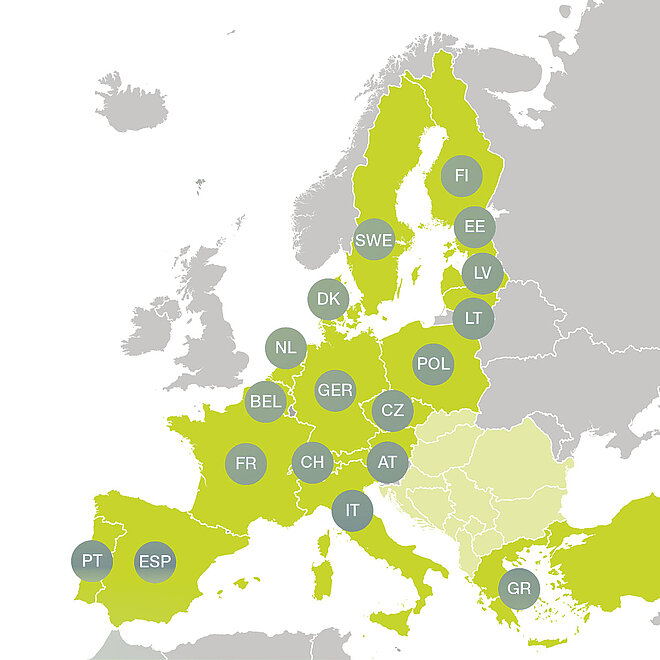
KOSTAL develops and manufactures inverters in Germany and across Europe
Photovoltaics is a key technology for the European energy transition. At the same time, the question of where the necessary technologies are developed and produced is becoming increasingly important.
With the Net-Zero Industry Act (NZIA), the European Union aims to strengthen its industrial base for climate-neutral technologies and reduce strategic dependencies.
This applies not only to solar modules and solar cells.
PV inverters are also among the key components of the photovoltaic value chain.
Installers, project developers and plant operators are therefore opting for modern power electronics combined with European manufacturing, technological expertise and industrial value creation.
Are you planning a PV project with specific requirements regarding origin and resilience?
Talk to us about your project’s requirements.
Head of Sales for Germany, Austria and Switzerland (DACH
) Hans-Bernd Wiesener
Mobile: +49 172 8556959
Email: h.wiesener@kostal.com
Head of Sales, Europe
Lars Brinkmeyer
Mobile: +49 163 9160186
Email: l.brinkmeyer@kostal.com
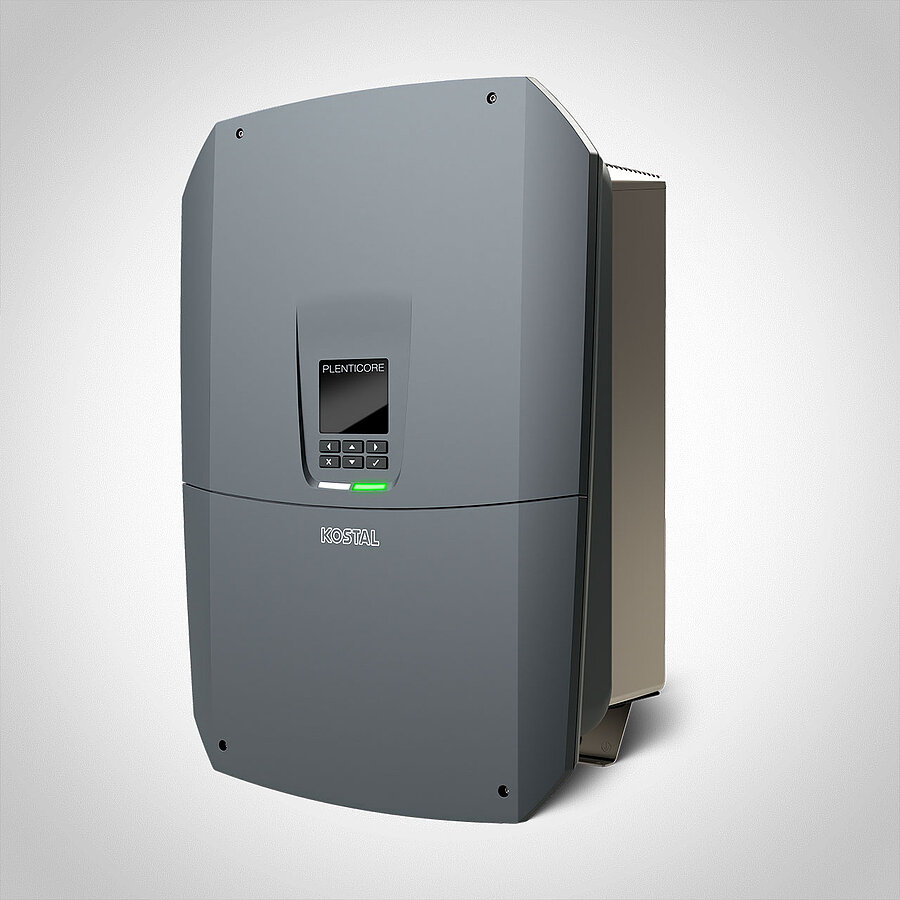
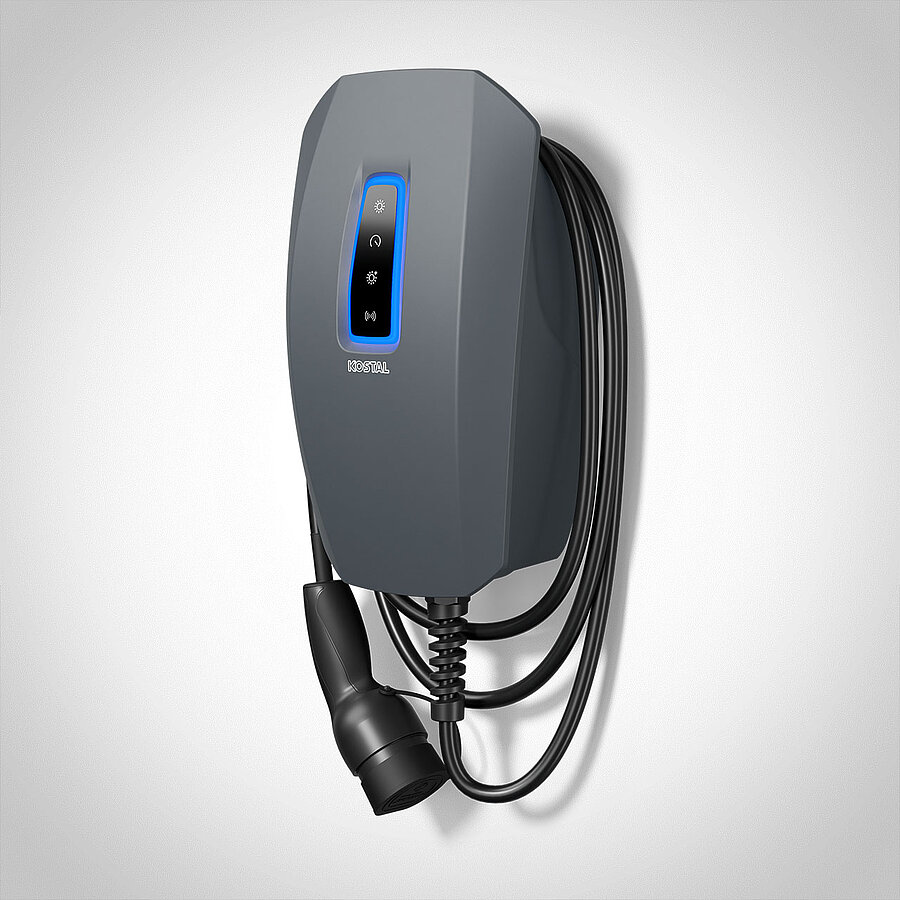
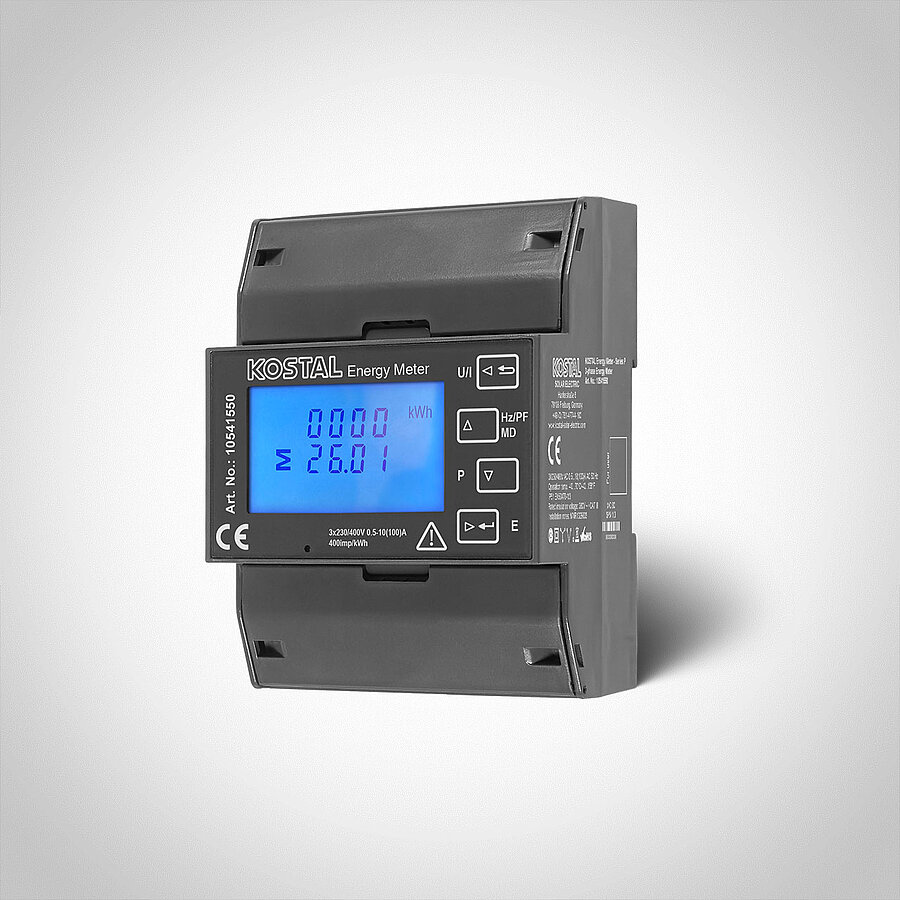
Why choose inverters made in Europe?
The inverter is one of the key components of a photovoltaic system. At the same time, it is taking on an increasing number of roles within the energy system – from controlling the PV system and integrating battery storage to interconnecting with other energy applications.
Technical performance and cost-effectiveness are therefore key factors when selecting an inverter.
Increasingly, other questions are coming to the fore:
- Where is the inverter developed?
- Where is it manufactured?
- How resilient are the underlying supply chains?
- What role does European production play in tenders and procurement procedures?
With an inverter ‘Made in Europe’, European production can be taken into account right from the system planning stage.
KOSTAL: European inverter manufacturer
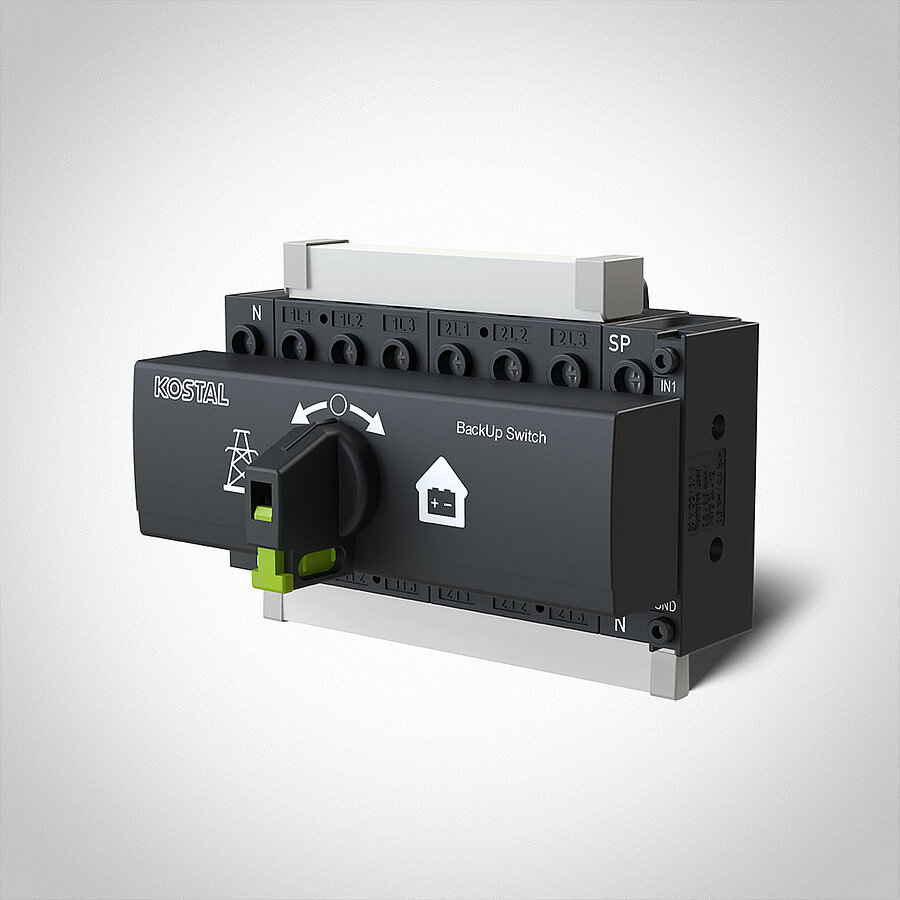
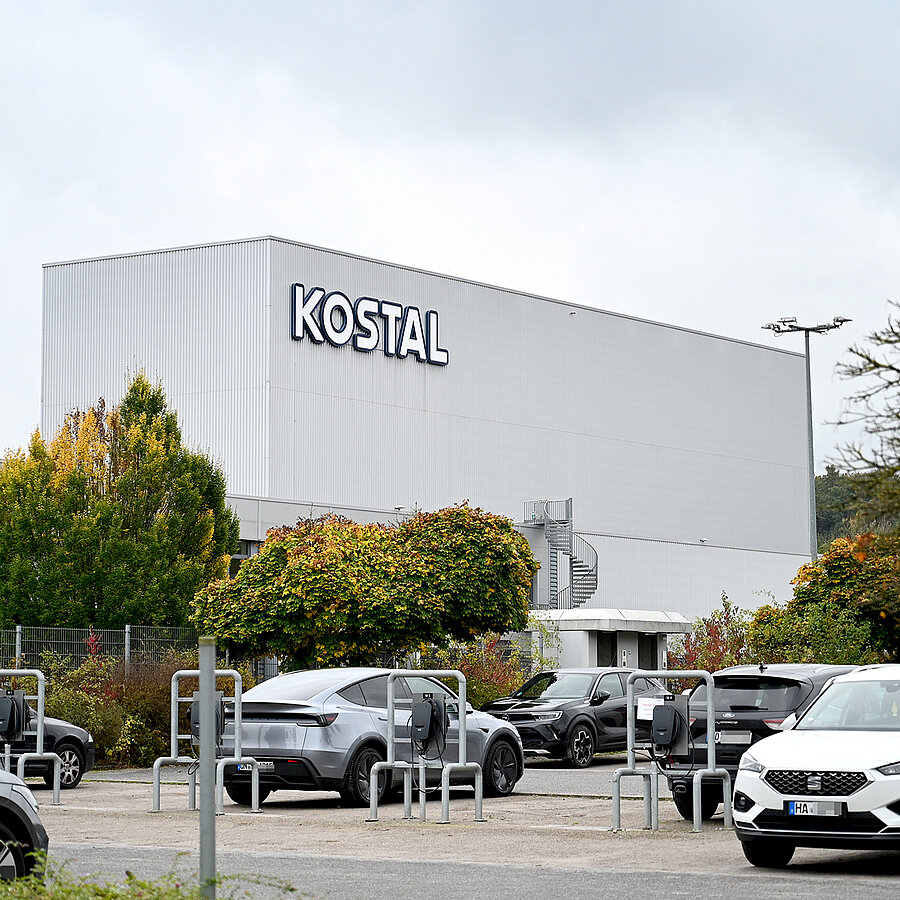
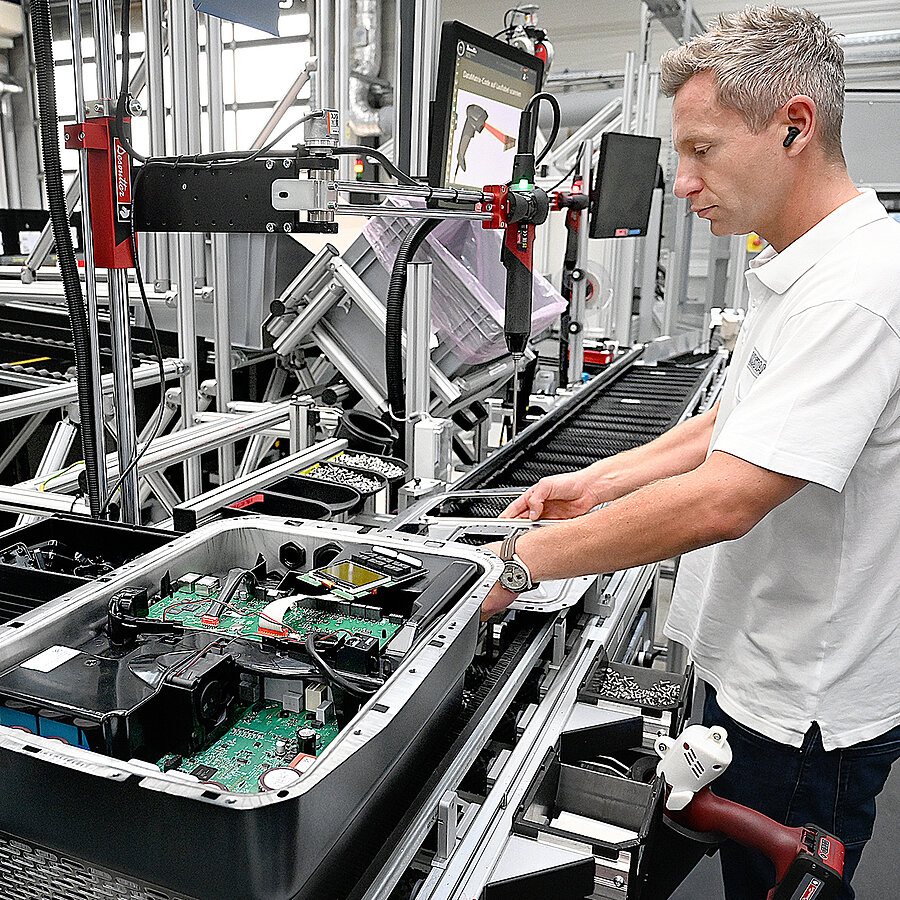
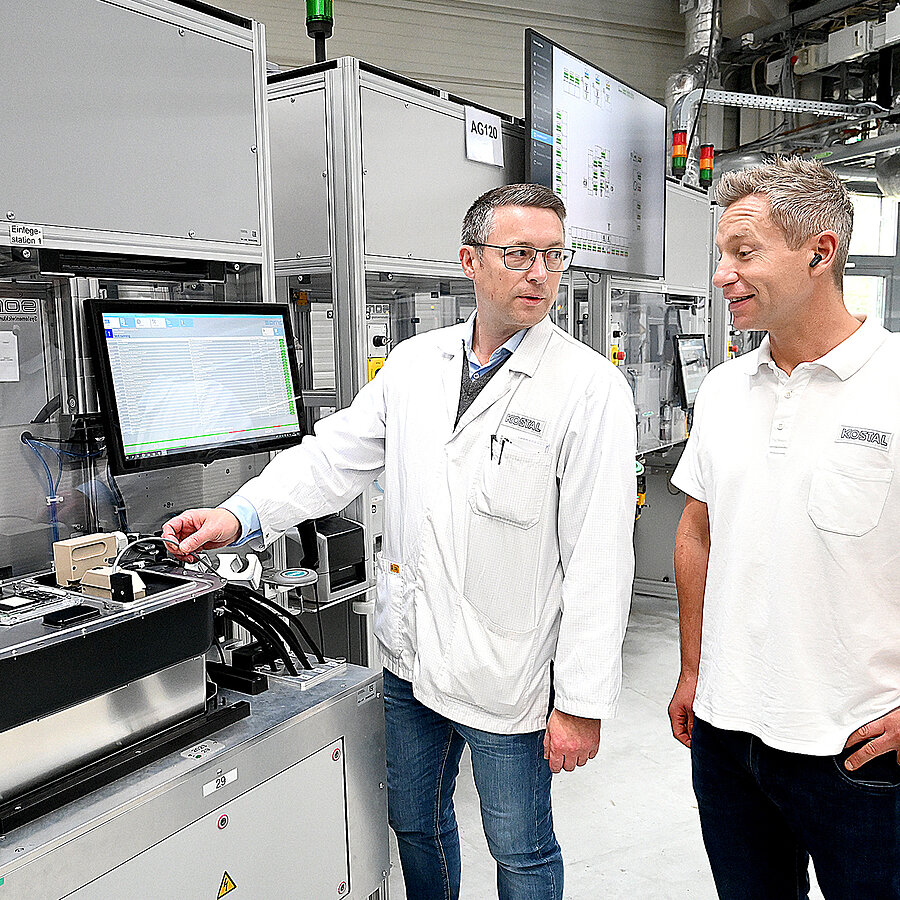
KOSTAL has decades of experience in the development and manufacture of power electronics. Our inverters are developed and manufactured in Germany and across Europe. KOSTAL combines the experience of an established industrial company with state-of-the-art photovoltaic technology.
- European development: Technical expertise and product development are closely aligned with our European markets and customers
- European production: KOSTAL manufactures inverters in Europe, thereby contributing to industrial value creation within Europe
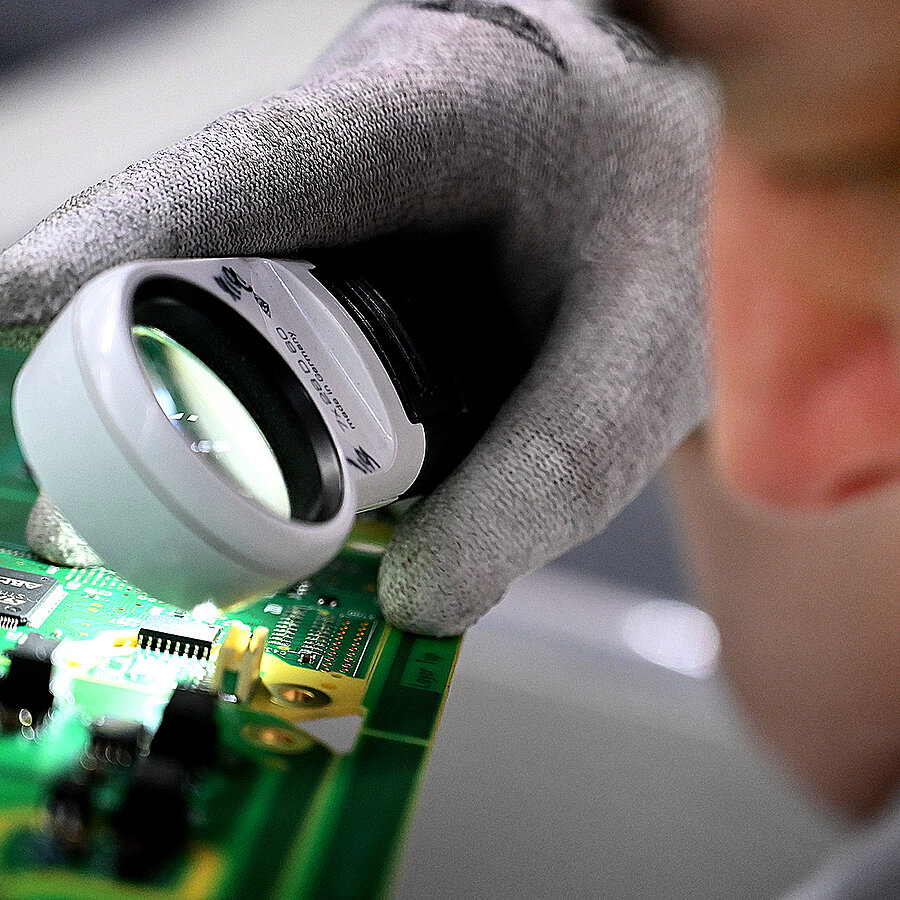
- Quality and safety: Many years’ experience in power electronics combined with high standards of quality, reliability and safety
- Service and partnership: KOSTAL supports installers and project partners from the planning stage through to installation and the long-term operation of the system
‘Made in Europe’ and the Net-Zero Industry Act
The Net-Zero Industry Act (NZIA) is intended to strengthen production capacities for strategically important climate-neutral technologies in Europe. Photovoltaics is one such net-zero technology. The European approach takes into account various parts of the PV value chain. These include, amongst others:
- Polysilicon
- Ingots and wafers
- PV cells
- Solar glass
- PV modules
- PV inverters
- PV trackers and specialised mounting structures
This means that the origin of the inverter may also become a factor of increasing importance for certain PV projects.
European inverters and resilience
Europe is heavily reliant on international supply chains for various technologies and components relating to the energy transition. Resilience therefore means, amongst other things, reducing excessive dependence on individual third countries and building up alternative production capacities.
A strong European manufacturing sector can help to:
- reducing strategic dependencies,
- securing technological expertise in Europe,
- maintain industrial value creation,
- strengthen security of supply,
- diversify supply chains.
A European inverter can therefore form part of a broader strategy for resilient PV systems.
'Made in Europe' in photovoltaic tenders
The origin of PV components may become particularly important in public photovoltaic tenders. The NZIA allows for additional criteria to be taken into account alongside price in such procurement procedures.
Depending on the procedure, these non-price criteria may include, for example:
- Resilience
- Sustainability
- Origin
- Responsible procurement
- Supply chain security
This means that choosing a European manufacturer can be relevant beyond the traditional product selection process. Which requirements actually apply depends on the specific procurement procedure.
Head of Sales for
Germany, Austria and Switzerland Hans-Bernd Wiesener
Mobile: +49 172 8556959
Email: h.wiesener@kostal.com
Head of Sales for Europe
Lars Brinkmeyer
Mobile: +49 163 9160186
Email: l.brinkmeyer@kostal.com
The European production site may be relevant in terms of criteria relating to origin and resilience. However, whether a specific inverter meets all the requirements of a subsidy, procurement or tendering process must be assessed on the basis of the criteria defined therein.
Depending on the procedure, additional information and evidence regarding origin or the supply chain may be required.
European production does, however, provide a strong foundation for projects that take resilience and European value creation into account.
You might also be interested in this
Inverters Made in Germany
Where an inverter is developed and manufactured is becoming increasingly important. Find out why KOSTAL, with its inverters ‘Made in Germany’, stands for quality, technological expertise and European value creation.
European inverters
for resilient PV systems
European manufacturing can help to strengthen supply chains and reduce strategic dependencies. Find out more about KOSTAL inverters ‘Made in Europe’ and their importance for a resilient photovoltaic sector.
What does the NZIA mean for photovoltaics?
The Net-Zero Industry Act aims to strengthen Europe’s production of net-zero technologies. Find out what role resilience, origin, non-price criteria and European PV components play in this.
What role do inverters play in the NZIA?
The NZIA does not only apply to modules and solar cells. PV inverters are also key components of the PV value chain. Find out what this means for planning, procurement and tenders.
PV tenders: Taking new criteria into account at an
early stage
Technology and price are not always the only criteria. Find out how resilience, origin, sustainability and the NZIA can become increasingly important in photovoltaic tenders.
Is there NZIA funding available for photovoltaics?
The NZIA is not a traditional PV grant scheme – but it can influence the requirements for tenders and funding mechanisms. We explain what lies behind ‘NZIA photovoltaic funding’ and what project developers should bear in mind.