Installer portal
 Solar Academy
 Download
 Solar Terminal


Reducing electricity costs with solar power
Generating your own electricity, rather than buying it all in

Electricity is needed every day. For household appliances, lighting and entertainment – and, increasingly, for heat pumps and electric cars. Anyone who obtains all their electricity from the public grid pays the current electricity tariff.
With a photovoltaic system, you can easily generate some of this energy yourself: on your own roof and exactly where the electricity is needed. The more of your own solar power you use directly, the less electricity you need to buy from the grid. In this way, photovoltaics can help to reduce your running electricity costs in the long term.
Would
you like your own solar system?
Find your local KOSTAL installer on our overview map – right in your neighbourhood.
Why generating your own solar power can reduce your electricity bill
The basic principle behind a photovoltaic system is simple. Sunlight is converted into electrical energy on your own roof. This electricity is immediately available for use in the home.
Whilst the photovoltaic system is generating sufficient energy, the fridge, washing machine, computer and other electrical appliances can be powered by solar electricity. This means there is no need to draw additional electricity from the public grid. The financial benefit therefore stems not only from generating solar electricity, but above all from using it yourself.
Every kilowatt-hour of solar power you use yourself can replace a kilowatt-hour of grid electricity that you would otherwise have to buy from your energy supplier. Download the latest leaflet now!
What happens to the solar power I don’t need right now?
A photovoltaic system is geared towards the sun – not the residents’ daily routine. This means that, particularly around midday, more solar power may be generated than the house currently needs. There are then various options.
The surplus solar power can be fed into the public electricity grid. Alternatively, it can be stored in a battery storage system, for example, and used later in your own home. This raises an important question regarding the cost-effectiveness of your own energy supply:
How much of the solar power I generate can I use myself? The better the match between generation and consumption, the less electricity needs to be drawn from the grid.
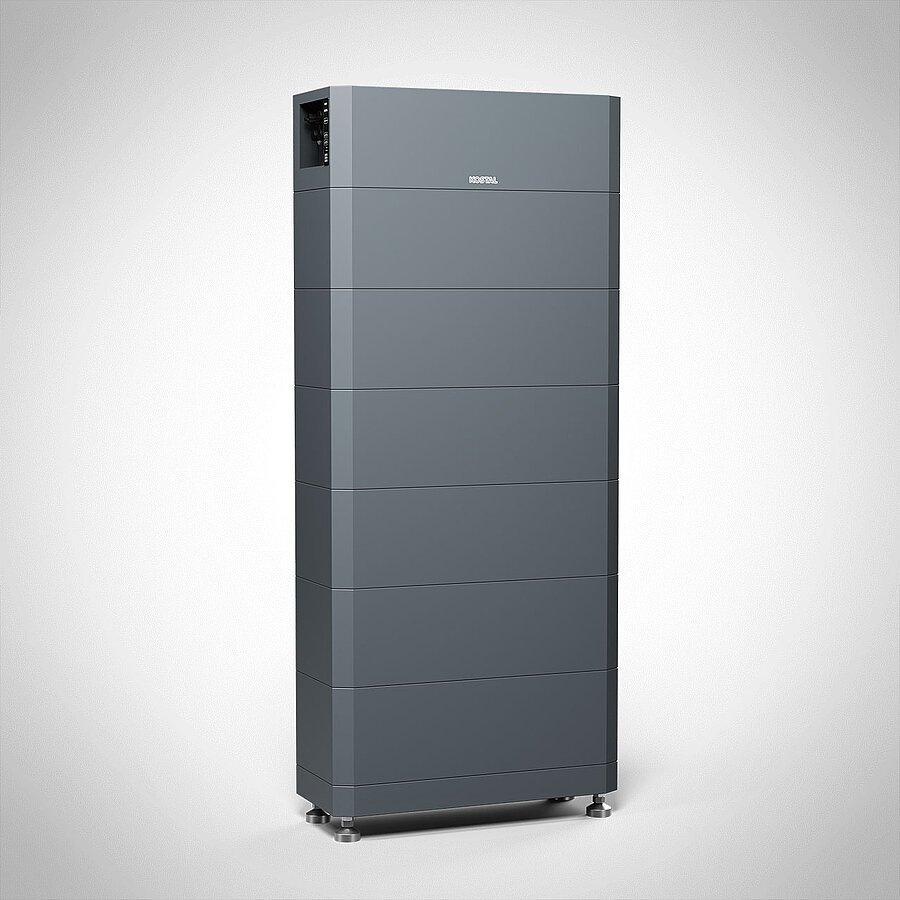
Storing solar power and using it later
Many households require a particularly high amount of energy in the mornings and evenings. The photovoltaic system, on the other hand, typically generates its highest output during the day. A battery storage system can help bridge this time gap.
During the day:
Photovoltaics generate electricity → The home is supplied → Surplus charges the battery
In the evening:
Photovoltaic system generates little or no electricity → Stored energy supplies the home
This means that more of the energy you generate yourself stays in your own home,
and the amount of electricity drawn from the grid can be further reduced.
Major electricity consumers present an opportunity
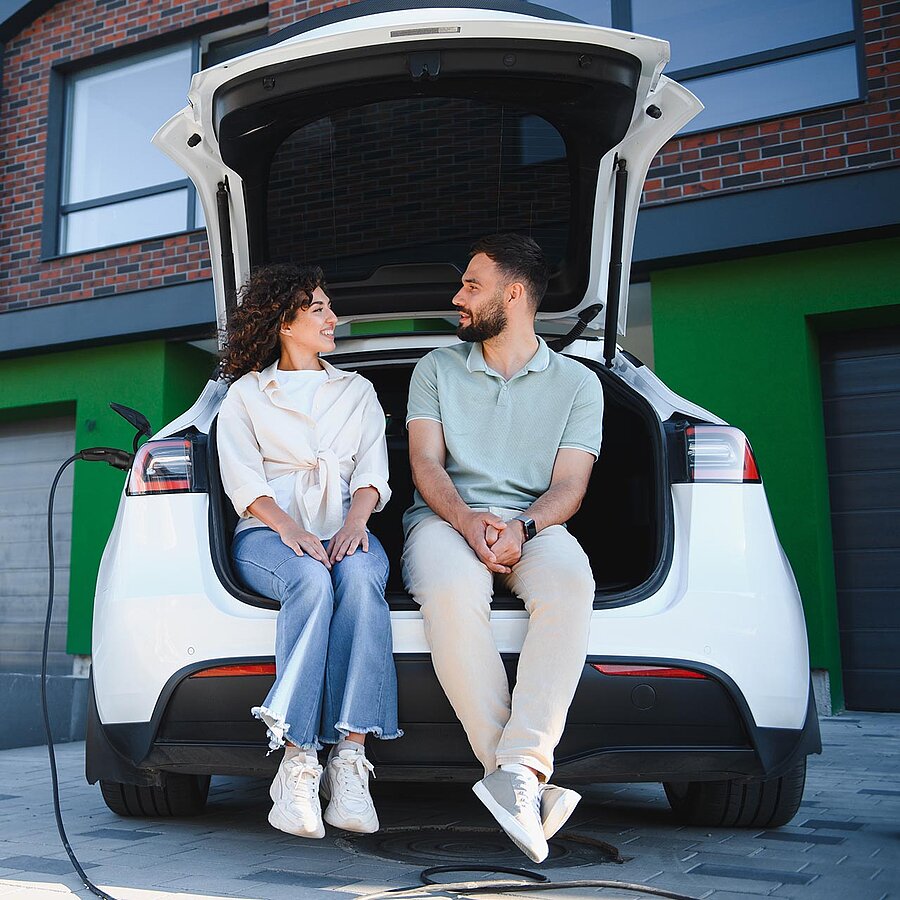
A home’s electricity consumption is changing. A heat pump needs electricity for heating. An electric car needs electricity to run. Both initially increase a household’s electricity demand. However, having your own photovoltaic system also presents an opportunity. This is because some of this additional energy can also be generated on your own roof.
Photovoltaics → Household
Photovoltaics → Heat pump
Solar panels → Electric car
As a result, solar power can increasingly replace energy that would otherwise have to be sourced from external suppliers for electricity, heating or transport. Step by step, a solar panel system is thus becoming the energy source for more and more areas of your home.
Read also: Charging an electric car with solar power →
See also: Combining photovoltaics and heat pumps →
Using electricity when the sun provides it
Not all electricity consumption can be rescheduled. However, some appliances offer flexibility. The washing machine may not need to run straight away. The electric car is plugged into the wallbox for several hours. Hot water can be produced at different times, within certain limits.
It is precisely this flexibility that can be utilised. Instead of consuming energy regardless of current solar power generation, suitable appliances can be prioritised to run when plenty of home-generated electricity is available.
This increases the opportunity to use solar power directly yourself.
From the question
‘How much electricity does my PV system generate?’
is therefore increasingly giving way to the question
“How intelligently can I use my own electricity?”
An energy management system keeps track of everything
The more components are added, the more complex the power distribution in the house becomes:
- How much electricity is the photovoltaic system currently generating?
- How much does the house need?
- Is the battery storage system charged?
- Is there enough energy available for the electric car or the heat pump?
Smart energy management brings all this information together. The aim is simple: to use the energy you generate yourself as sensibly as possible within your own home. This means residents don’t have to constantly decide for themselves which appliance should use energy and when.
But what if there isn’t enough sunshine?
Even a well-planned photovoltaic system does not generate enough energy for the entire household at all times. It does not produce electricity at night. In winter, solar power generation is lower. And sometimes several appliances require a lot of energy at the same time. In such cases, electricity continues to be drawn from the public grid.
But even here, new opportunities are emerging: with dynamic electricity tariffs, the price of electricity changes throughout the day. This can make it worthwhile to shift certain flexible consumption to cheaper times or to intelligently integrate a suitable battery storage system into the energy supply.
The next step is therefore: to use your own solar power when it is available – and to draw electricity from the grid as intelligently as possible when it is needed.
Read also: Understanding dynamic electricity tariffs →
What determines how much I can save with photovoltaics?
It is not possible to give a flat-rate figure for how much photovoltaics will reduce your personal electricity costs.
Key factors include:
- The size and orientation of the solar panel system
- The household’s electricity consumption
- Electricity consumption throughout the day
- The proportion of solar power used for personal consumption
- Existing battery storage
- Heat pump and electric car
- Electricity price and chosen tariff
- Feeding surplus energy into the grid and receiving remuneration
That is why a photovoltaic system should not simply be designed to be as large or as small as possible.
The key is to have an energy system that suits your own home and your own energy needs.
Cut your electricity costs today – and make the most of more opportunities tomorrow
A photovoltaic system is a long-term investment. And your home changes over time, too. Perhaps you’ll add an electric car in a few years’ time. The heating system will be replaced by a heat pump. A battery storage system will be installed or expanded. New electricity tariffs and opportunities for smart energy use will emerge.
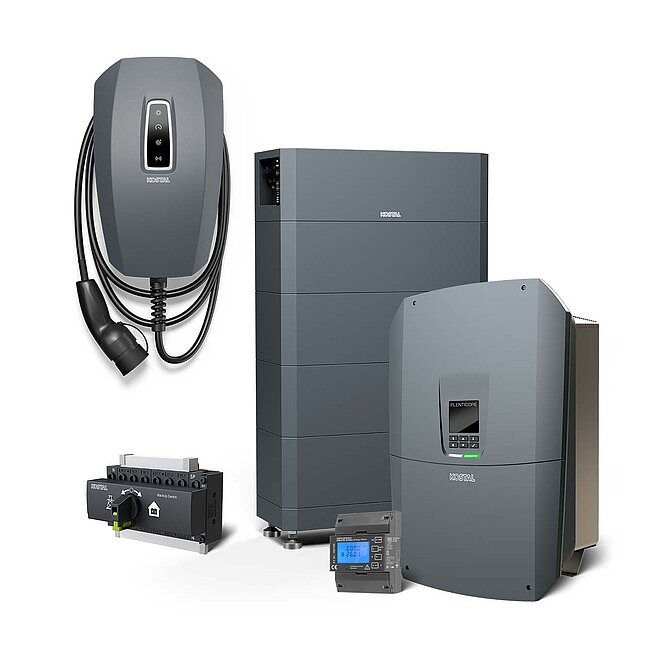
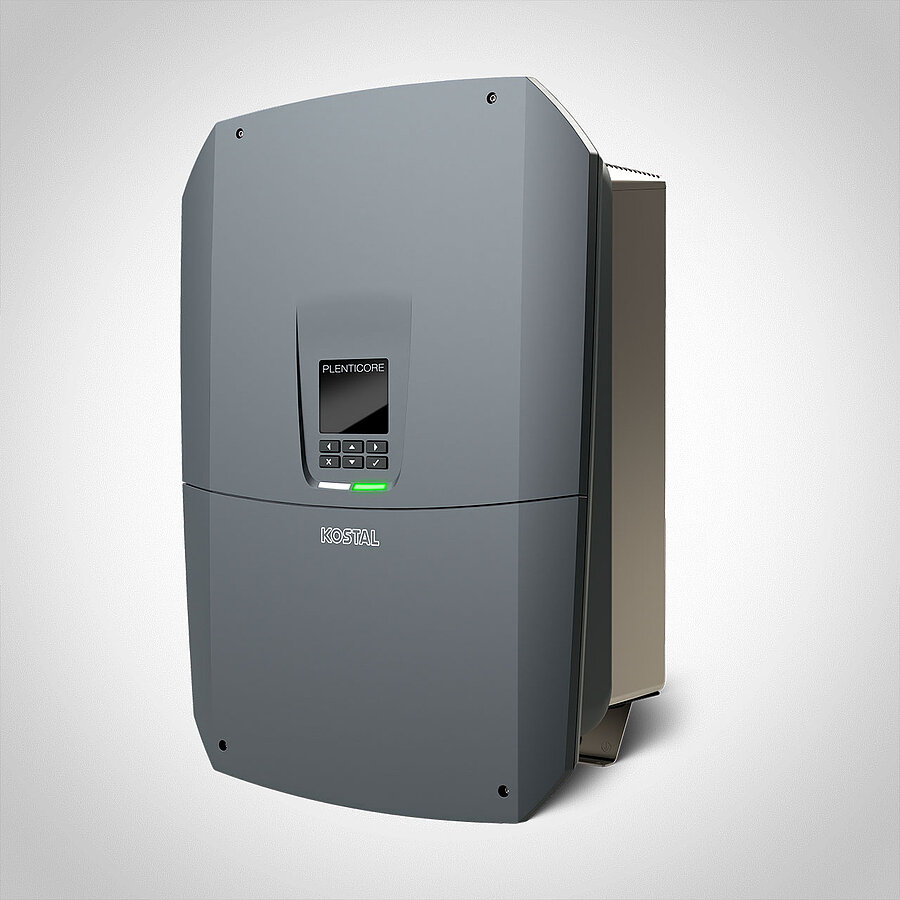
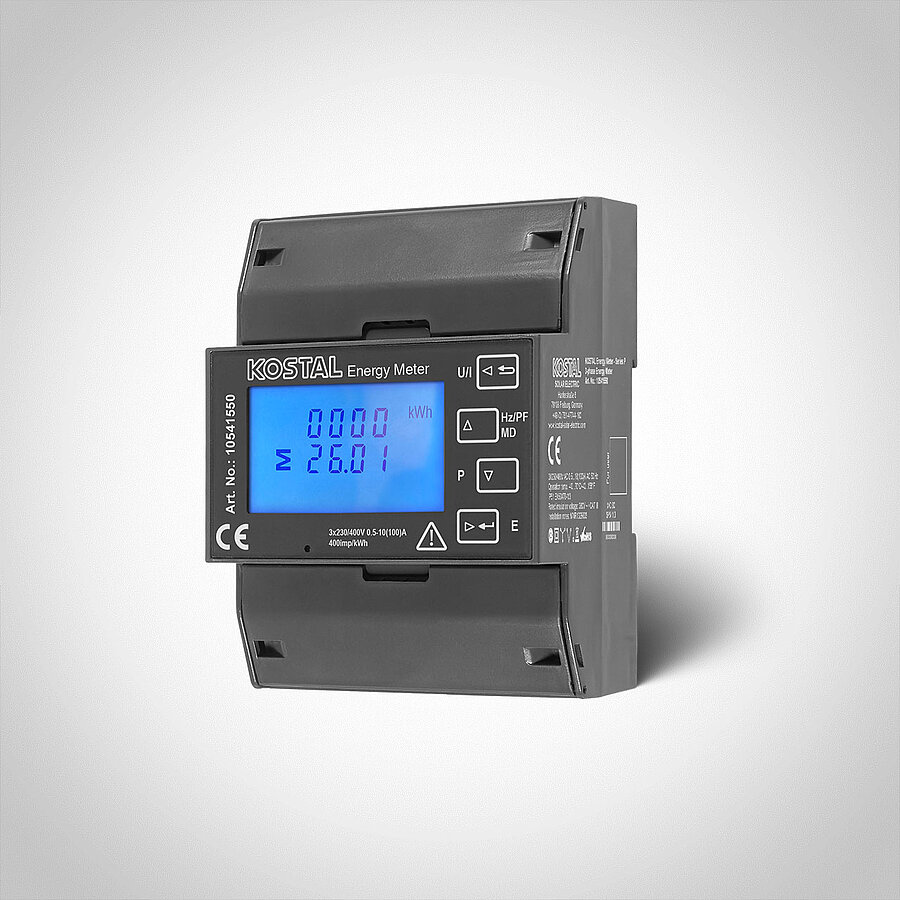
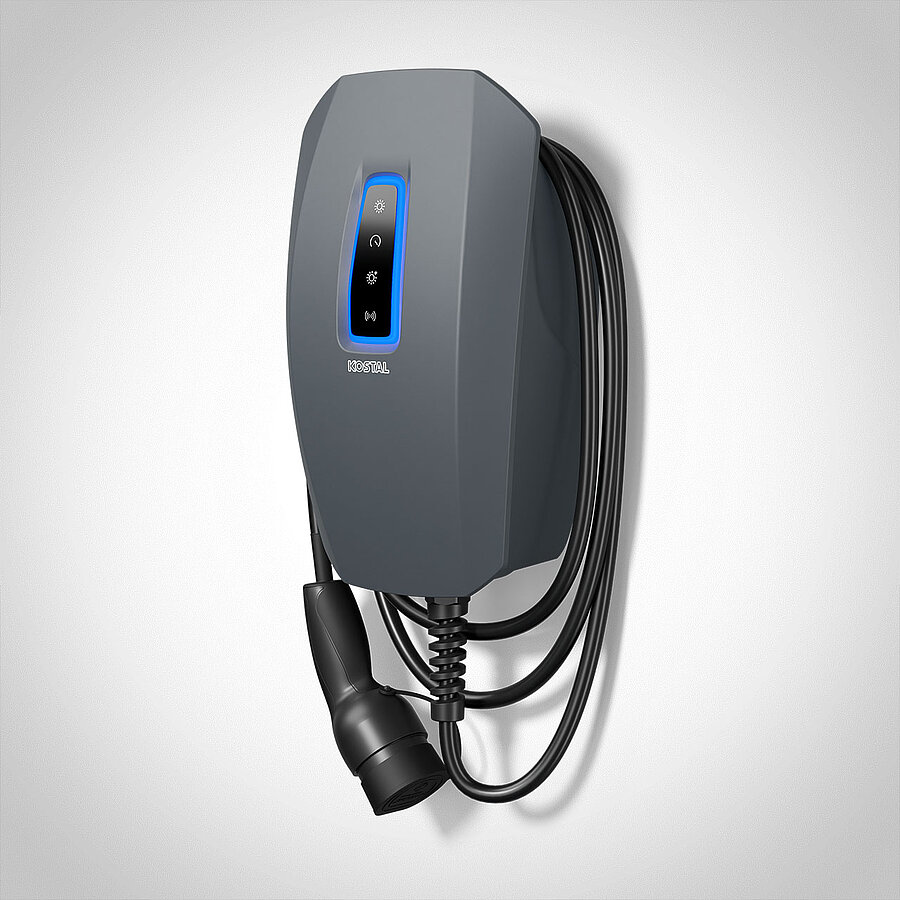
That’s why it’s worth looking beyond today’s electricity consumption. A modern energy system should be able to grow in line with your home’s needs. KOSTAL combines inverters, battery storage, energy metering, wallboxes and smart interfaces to create just such a system. This means that your own solar power can reduce your electricity costs today – and take on even more tasks tomorrow.
Use more of your own electricity. Buy less electricity.
Photovoltaics turn your own roof into a source of energy. The more of the solar power generated that can be used directly in the home, the less energy needs to be drawn from the public grid. A battery storage system makes solar power available for longer. Smart energy management aligns generation with consumption. And with a heat pump and an electric car, your own solar power can increasingly be used for heating and transport too. So photovoltaics is not just about generating electricity.
It’s about increasingly generating the energy for your own home yourself and using it intelligently.
Discover photovoltaics for your home now and find your ideal KOSTAL specialist partner!
Don’t fancy searching? We can also put you in touch with a suitable KOSTAL specialist.