Installer portal
 Solar Academy
 Download
 Solar Terminal


Photovoltaics and heat pumps:
Heating with your own solar power
Using solar energy not only for electricity, but also for heating

A photovoltaic system generates electricity. A heat pump requires electricity to provide heat for heating and hot water. So what could be more obvious than connecting the two systems?
If you have your own solar power available, it can also be used to run the heat pump. This means less electricity needs to be drawn from the national grid. In this way, the photovoltaic system becomes an important part of the energy supply for the whole home – for both electricity and heat.
Would
you like your own solar system?
Find your nearest KOSTAL installer on our overview map.
Why solar panels and heat pumps go well together
A heat pump uses electrical energy to harness environmental heat from the air, the ground or groundwater for use in the building. With a photovoltaic system, some of the electricity required for this can be generated directly at your own home.
The principle is simple: Sun → photovoltaic system → electricity → heat pump → heat
This gives self-generated solar power an additional purpose. It not only powers household appliances but can also help to heat rooms and provide hot water. Electricity from your own roof is transformed into heat for your own home.
Every kilowatt-hour of solar power you use yourself can replace a kilowatt-hour of grid electricity that you would otherwise have to buy from your energy supplier. Download the latest leaflet now!
Using your own solar power to run the heat pump
When the photovoltaic system generates electricity, this is first made available within the home’s own energy system. If the heat pump is running at the same time, part of its electricity requirement can be met directly by solar energy. This reduces the amount of electricity the heat pump needs to draw from the public grid during these periods.
The better electricity generation and energy consumption are coordinated, the more of the home’s own solar-generated electricity can be used in the house.
Heat can store energy
A battery storage system stores electrical energy. However, a building offers another option: heat can also be stored for later use. For example, hot water can be produced primarily when sufficient solar power is available. Thermal storage systems or the building’s mass can also offer a certain degree of flexibility, depending on the heating system and individual requirements.
This opens up an interesting possibility: solar power is available → the heat pump operates → heat is stored for later use. The heat pump thus becomes a flexible consumer within the energy system.
Smart control system combines electricity and heat
Initially, the photovoltaic system does not know when heat is required. And the heat pump does not automatically know when a particularly large amount of solar power is available. This is precisely where intelligent energy management comes into play.
It provides transparency regarding generation and consumption and makes it possible to better match flexible loads to the available energy. For example, a surplus of solar power can be used as a signal to specifically control a suitable load.
Electricity generation and heat supply are therefore no longer viewed in isolation, but as parts of a shared energy system.
Can the heat pump be powered entirely by solar panels in winter?
Photovoltaics and heat pumps complement each other well – although there is one important seasonal difference. In summer, a photovoltaic system generates a particularly large amount of energy, whilst very little heating is required. In winter, on the other hand, the demand for heat rises, whilst the photovoltaic system generates less energy due to shorter days and lower levels of sunlight.
A solar panel system can therefore reduce a heat pump’s electricity requirements, but it will not usually cover them entirely, particularly in winter. Electricity from the public grid remains an important part of the energy supply. The aim is therefore not to avoid drawing electricity from the grid altogether, but to make sensible use of as much of the available solar energy as possible.
What are the benefits of a battery storage system?
A battery storage system can store surplus solar electricity and make it available again at a later time. This can also be of interest for a home with a heat pump. However, the entire energy system should be planned as a whole. This is because battery storage systems, hot-water storage tanks and the building itself all offer different ways of making energy available over time.
It is therefore not simply a matter of having the largest possible battery storage system. What matters is how the photovoltaic system, electricity consumption, heat pump, storage systems and other consumers work together.
Read also: Discover photovoltaics and battery storage →
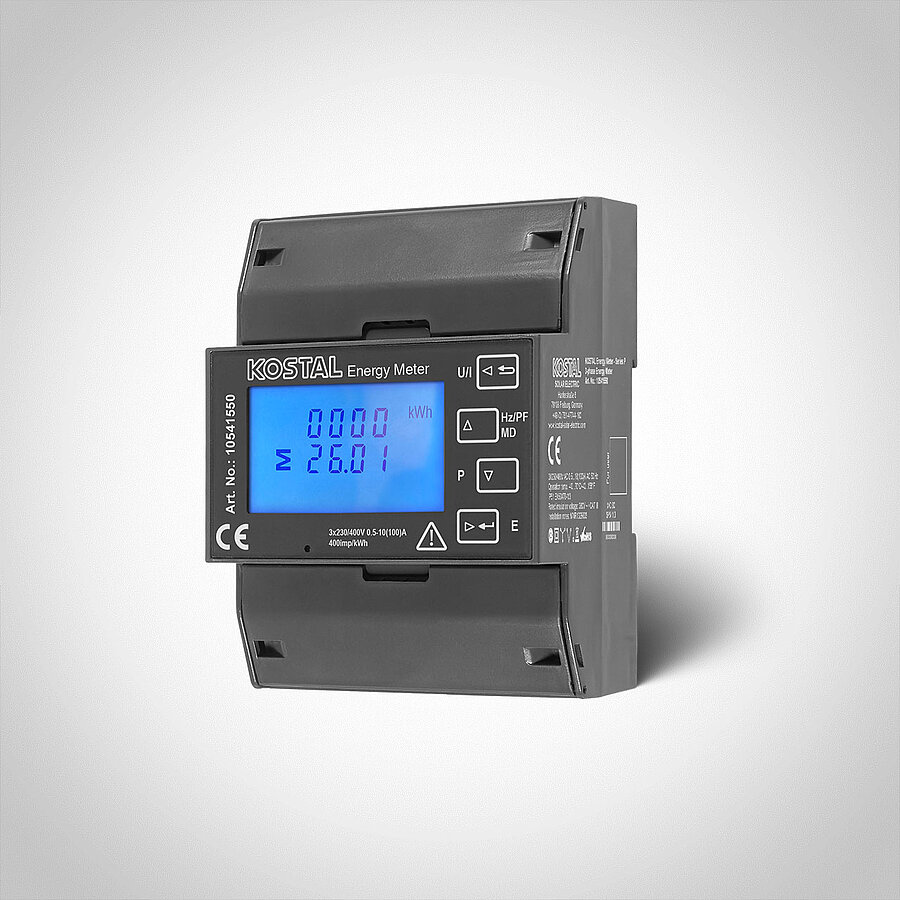
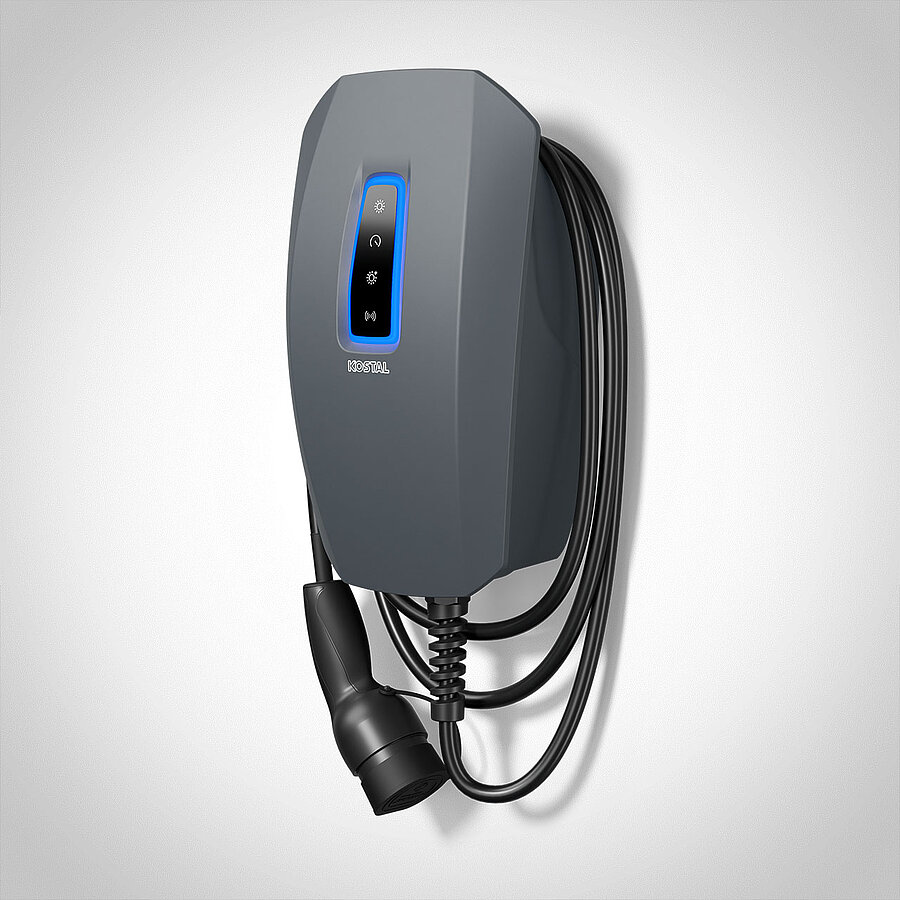
If there is a shortage of solar power, the timing of electricity consumption can also become a factor
A heat pump still requires energy even when there is not enough solar power available. This electricity comes from the public grid. Dynamic electricity tariffs open up an additional possibility: the price of electricity can vary throughout the day. This means that, in the long term, flexible consumers can be better managed to use energy when it is available and economically viable. This raises two key questions for a smart energy system:
Is home-generated solar power available?
and
If not: When is grid electricity available at a low cost?
Photovoltaics, heat pumps and smart energy management can thus increasingly be considered as an integrated whole.
Read also: Understanding dynamic electricity tariffs →
Thinking about electricity, heating and mobility together
The heat pump is often not the only new electricity consumer in the home. Perhaps an electric car will be added later. Perhaps a battery storage system is to be integrated. Perhaps surplus solar power is to be used specifically for certain appliances. Individual devices then form a networked energy system. And the more areas that are electrified, the more important the intelligent interaction between the components becomes.
An energy system that grows with your home
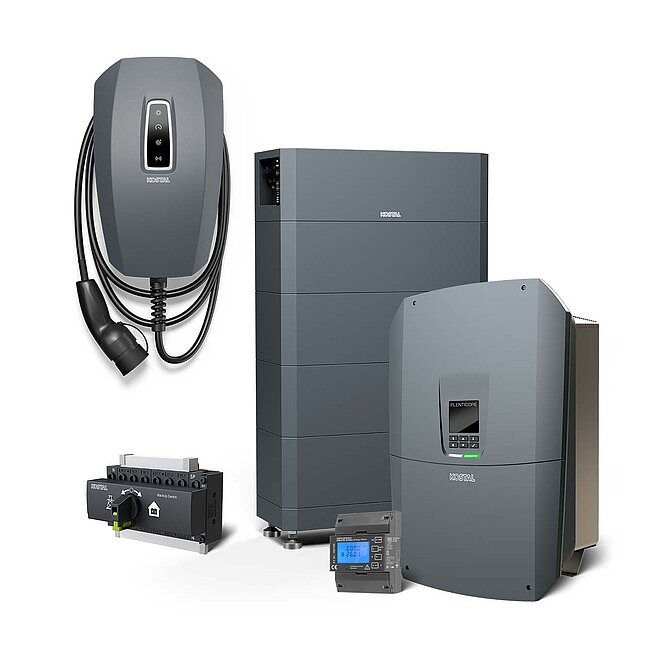
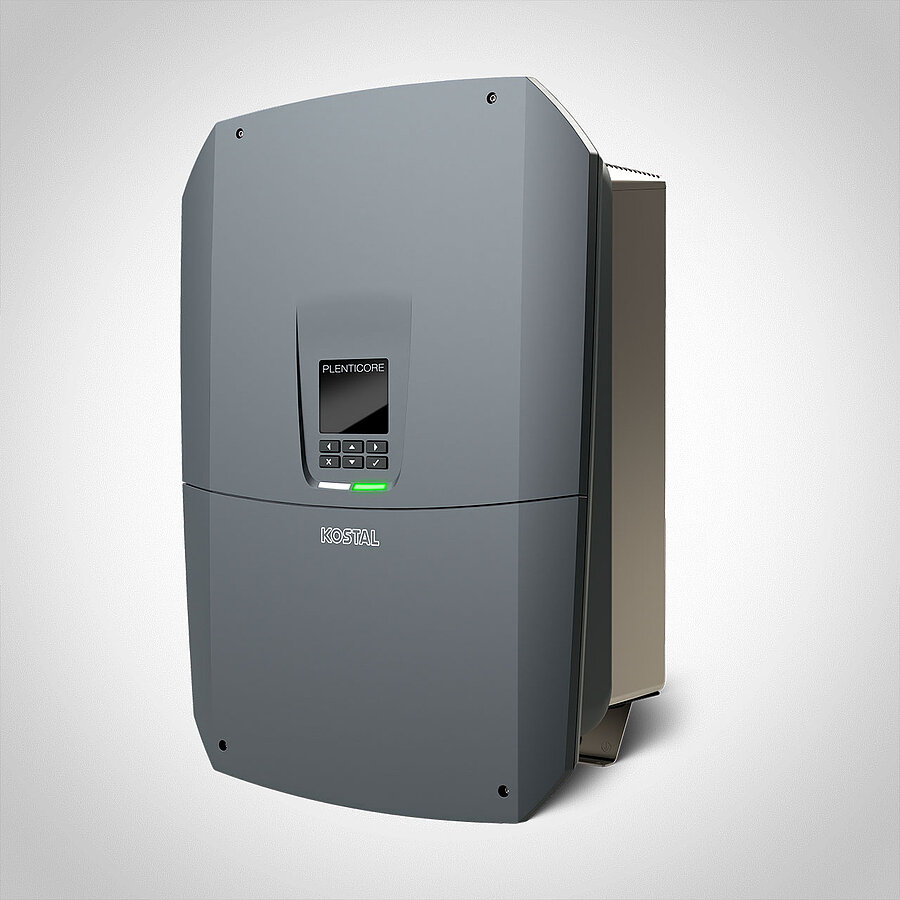
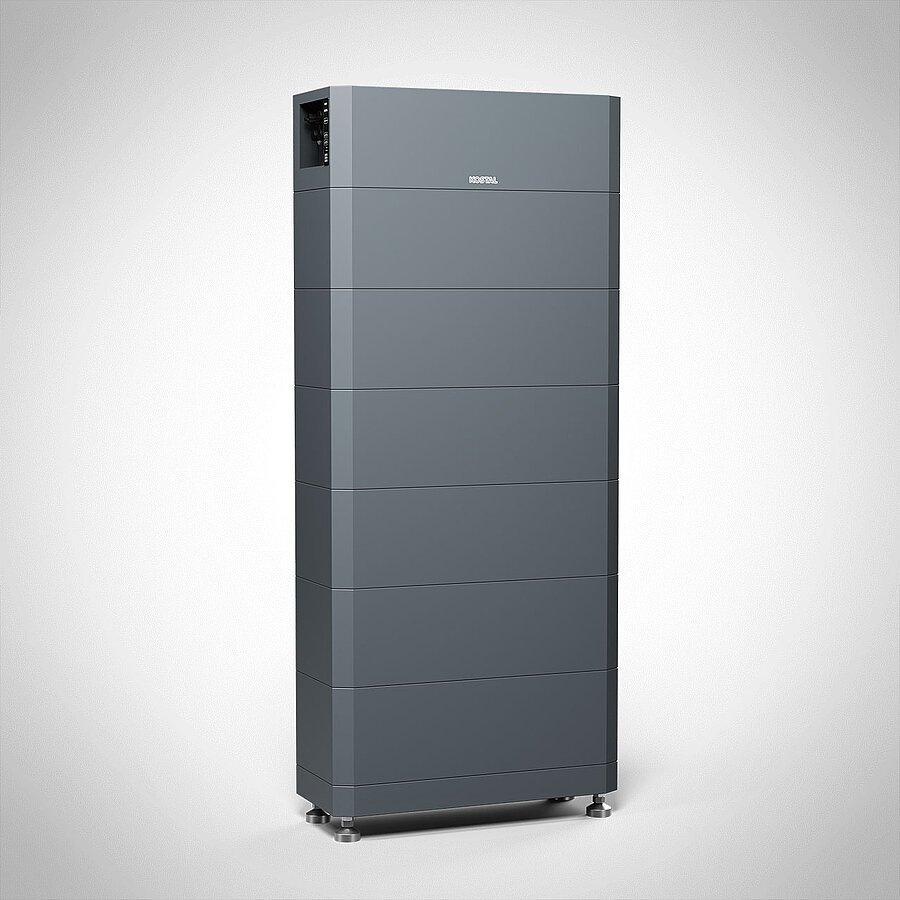
A modern photovoltaic system should therefore not be designed solely to meet current electricity consumption. Future appliances such as heat pumps, electric cars or battery storage systems should also be taken into account. With inverters, energy metering, battery storage systems, charging infrastructure and smart interfaces, KOSTAL lays the foundations for connecting different areas of the home.
In this way, a photovoltaic system can gradually evolve into an energy system for electricity, heating and mobility.
Generating heat with solar energy
Photovoltaics and heat pumps combine your own electricity generation with the heating supply for your home. When solar power is available, it can also be used to run the heat pump. Smart energy management helps to better coordinate generation and consumption. In this way, your own solar power becomes not only electricity for the household – but also heat for your home.
Discover photovoltaics for your home now and find your ideal KOSTAL specialist partner!