Installer portal
 Solar Academy
 Download
 Solar Terminal


Photovoltaics and storage:
Making the most of solar power for longer
Generate solar power, store it, and then use it when you need it

A solar power system generates the most electricity when the sun is shining. However, a household’s energy requirements do not always follow this pattern. A lot of electricity is often needed in the mornings and evenings – that is, at times when the solar power system generates little or no energy.
A battery storage system helps to make solar power available when you need it: any surplus energy generated during the day is stored and used later in your own home. This means more of your own solar power stays in your home.
Would
you like your own solar system?
Find your nearest KOSTAL installer on our overview map.
How photovoltaics and electricity consumption go hand in hand
A typical photovoltaic system begins generating electricity in the morning, reaches peak output around midday, and produces less and less energy as the evening approaches. A household’s electricity consumption often follows a different pattern.
In the morning, people have a shower, make coffee and the household gets going. During the day, consumption may be lower. In the evening, residents come home, a meal is cooked, entertainment electronics are switched on and, possibly, the electric car is charged. This creates a time lag between electricity generation and consumption.
Self-consumption refers to the proportion of the solar electricity generated that is used directly or, after temporary storage, within the household itself.
The degree of self-sufficiency, on the other hand, describes the proportion of total electricity demand covered by the home’s own photovoltaic system and, where applicable, the battery storage.
The two are not the same – but a battery storage system can increase both figures.
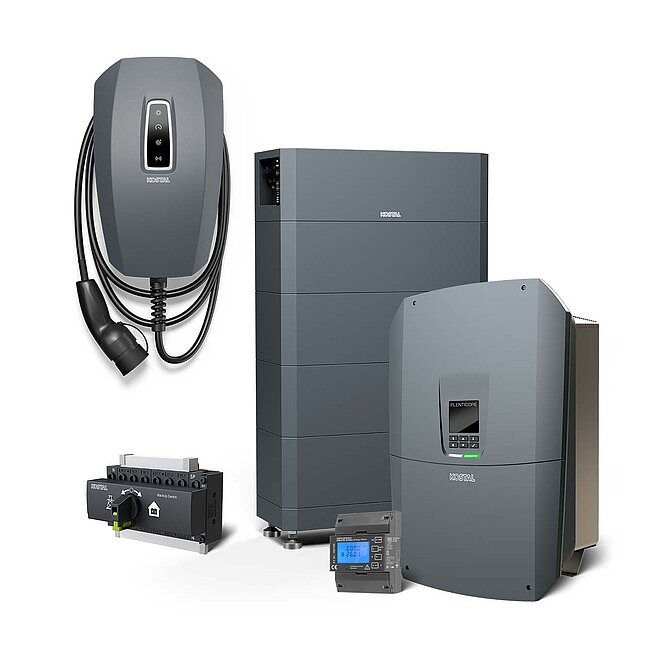
Discover the KOSTAL all-in-one system, comprising an inverter, storage unit and wallbox – all from a single source. Everything is perfectly coordinated. Download the latest leaflet now!
How big should a battery storage system be?
More is not necessarily better. A battery storage system should be suited to the photovoltaic system and the household’s energy consumption. A storage system that is too small cannot fully accommodate any surplus solar power. Conversely, an unnecessarily large storage system may not be fully utilised for long periods.
Several factors therefore come into play during the planning stage:
- The size and capacity of the solar panel system
- Annual electricity consumption
- Distribution of consumption throughout the day
- Household size
- Heat pump or other major electrical appliances
- Electric car and charging behaviour
- Desired backup power supply
- Possible future expansions
What matters, therefore, is not the largest possible storage system, but the right one for your own energy system.
See also: Planning the right photovoltaic solution →
What happens when the battery is fully charged?
Even with a battery storage system, a photovoltaic installation may at times generate more electricity than the home requires or can store. Once the battery is fully charged, surplus energy can be fed into the public grid.
Conversely, if the battery is empty and the photovoltaic system is not generating enough energy, electricity will continue to be drawn from the grid.
The energy system therefore utilises different energy sources and pathways:
Is PV electricity available? → use it directly
Is there surplus PV electricity? → Charge the battery
Battery full? → Feed surplus into the grid
Is PV not enough? → Use the battery
Is PV and the battery not enough? → Draw power from the grid
This happens automatically whilst the system is running.
A storage system can do more than just store solar power for the evening
Modern battery storage systems are increasingly becoming an active part of the energy system. This is because, alongside the traditional storage of surplus solar power, new possibilities are emerging. In conjunction with smart energy management and appropriate electricity tariffs, it is also possible, for example, to take into account when electricity from the grid is available at particularly low cost.
This changes the role of the storage system:
It is no longer just about ‘storing solar power’, but increasingly about ‘storing and using energy when it makes sense to do so’.
This makes battery storage particularly attractive for future energy systems with dynamic electricity tariffs and flexible consumers.
Read more: Discover dynamic electricity tariffs →
Storing solar power for the home, heating and transport
As electrification increases, so too does the importance of self-sufficiency in energy supply. A heat pump requires electricity for heating. An electric car requires electricity to run. Household appliances and consumer electronics also require energy.
Photovoltaics, battery storage and smart energy management can link these areas together. Battery storage thus becomes part of an integrated system that makes self-generated energy available within the home as efficiently as possible.
But what about a power cut?
Having a battery storage system does not automatically mean that the house will continue to be supplied with power during a power cut. For this to happen, the entire system must be designed to provide a backup power supply. With a suitable inverter, battery storage system and an appropriate transfer switch, an emergency power solution can continue to supply the house in the event of a grid failure.
Anyone wishing to make use of this option should take it into account when planning their photovoltaic and storage system.
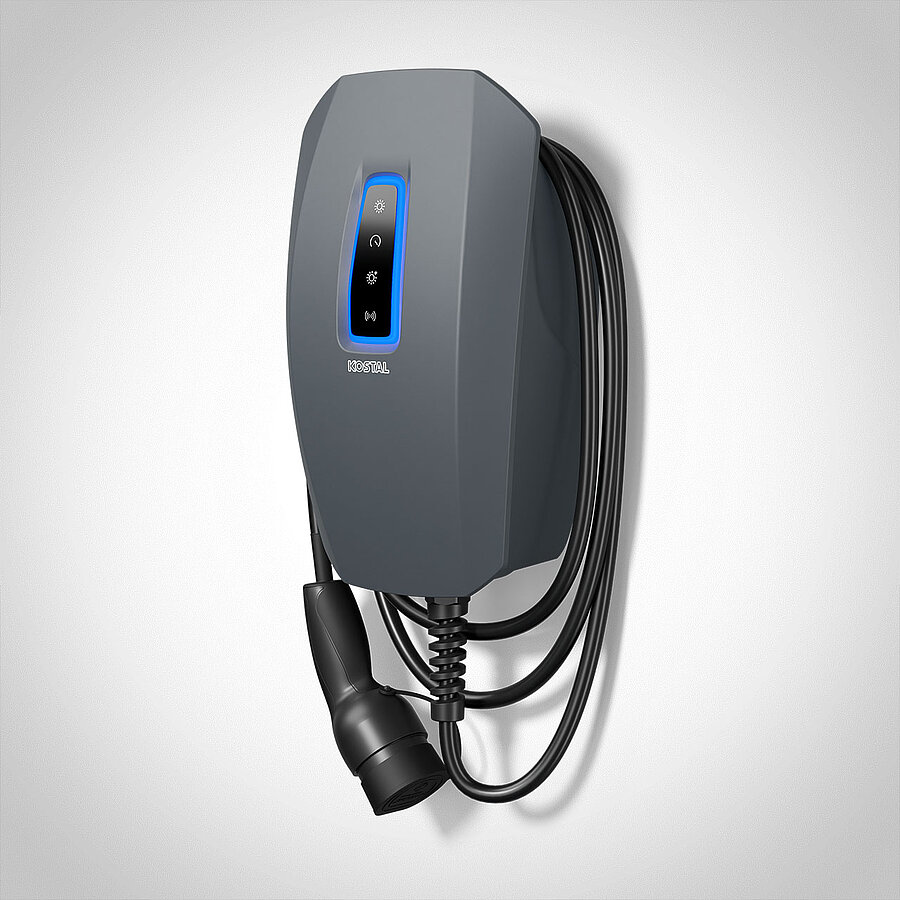
Storing solar power. Using more of your own energy.
With a battery storage system, self-generated solar energy can be used even when the photovoltaic system is producing little or no electricity. This means that more solar power can be used within the home, reducing the amount of energy required from the public grid.
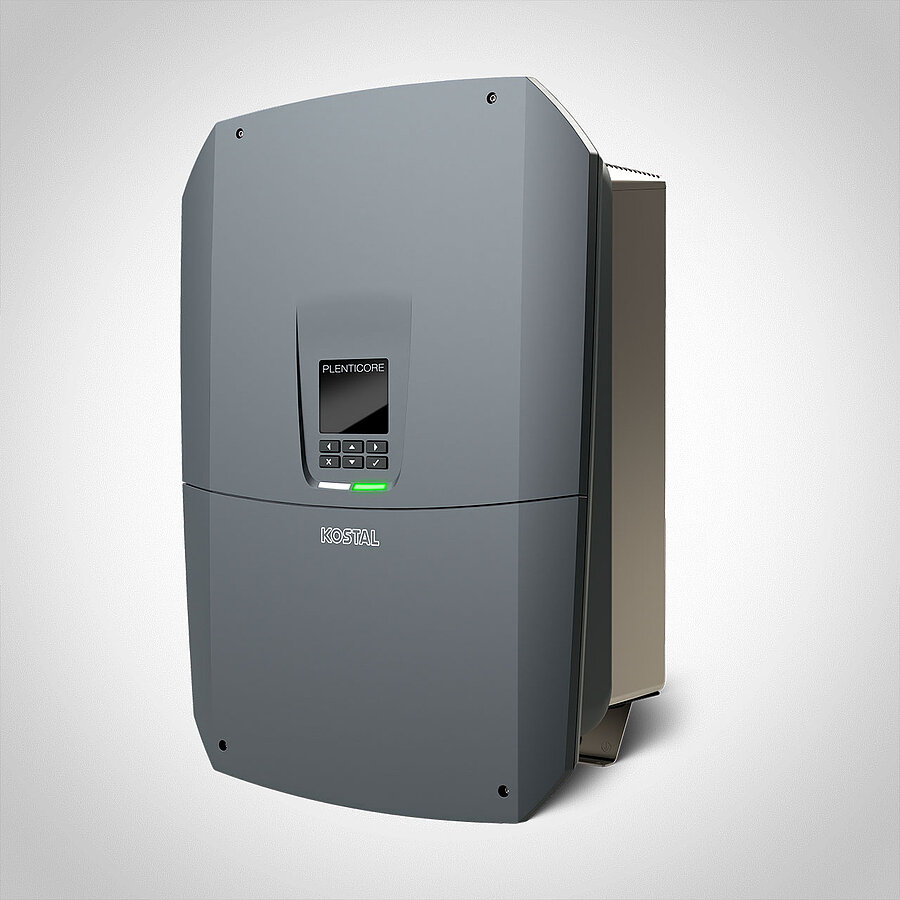
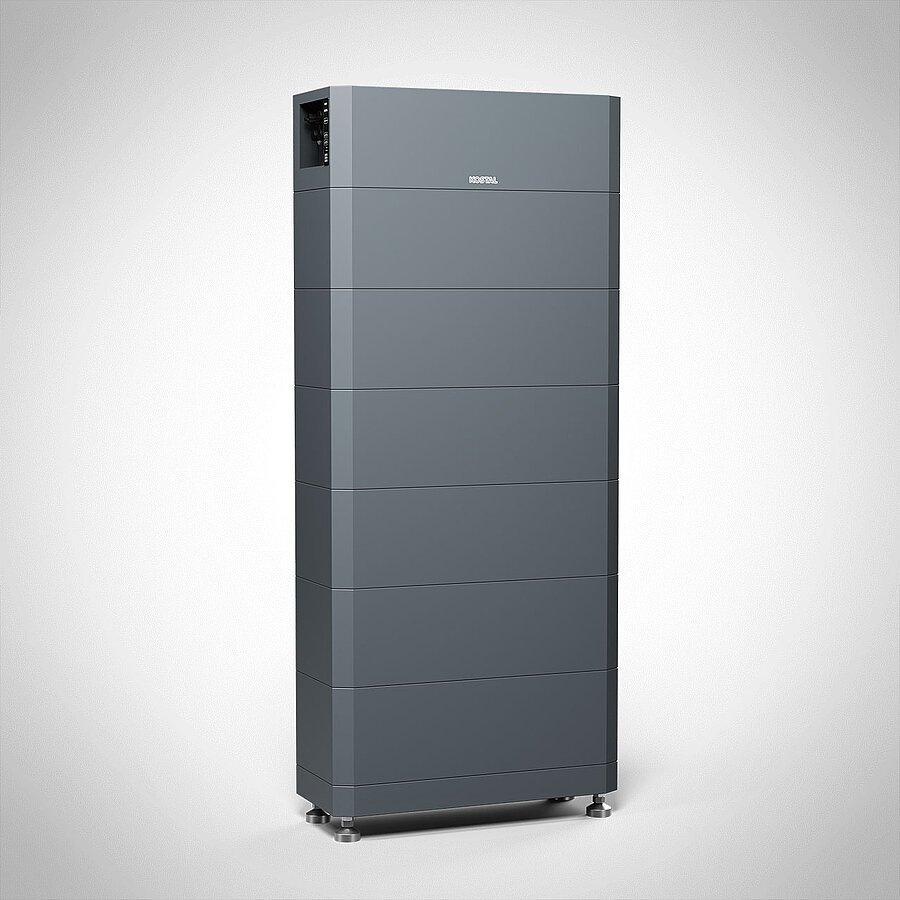
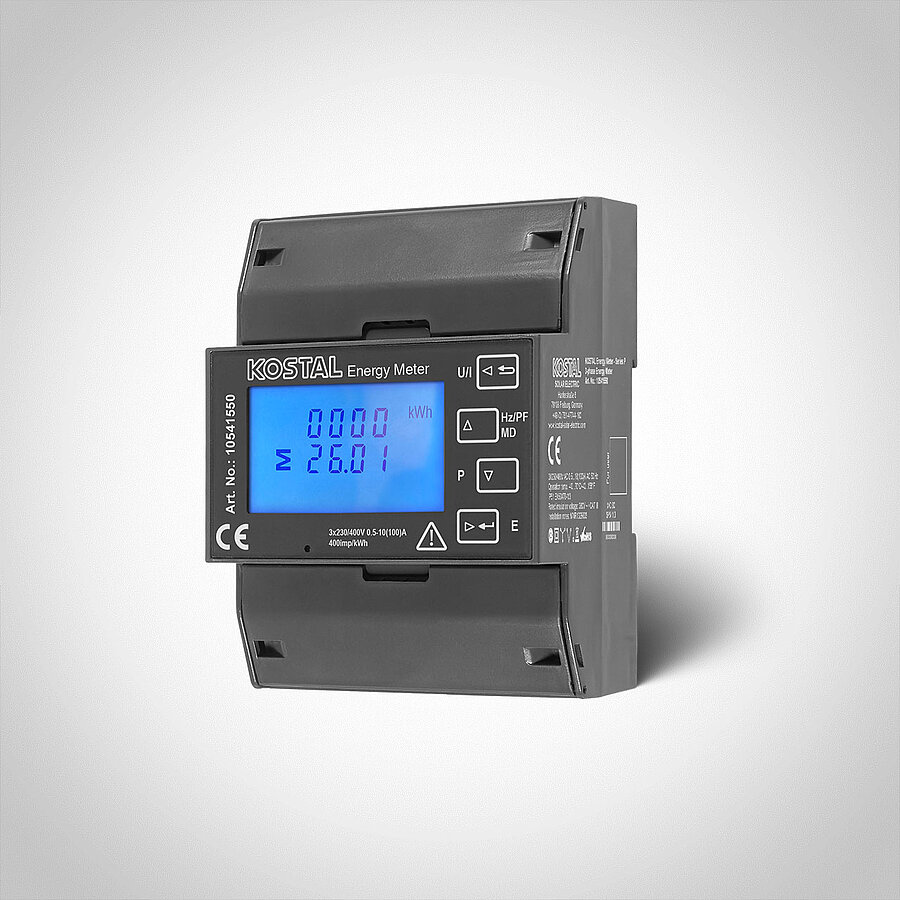
The key here is the interaction between the photovoltaic system, the inverter, the battery storage system, energy metering and intelligent control. KOSTAL combines these components into an energy system that works today and can also be adapted to future requirements. The aim is to increasingly generate the energy for your own home yourself and use it intelligently.
Discover photovoltaics for your home now and find your ideal KOSTAL specialist partner!