Installer portal
 Solar Academy
 Download
 Solar Terminal

Becoming more self-sufficient with solar power
More energy from our own sources. Less dependence on the electricity market.

Electricity is needed every day – for lighting, household appliances, communications and, increasingly, for heating and transport. Anyone who obtains all their electricity from the public grid is therefore dependent on the electricity prices charged there.
With your own photovoltaic system, you can generate part of the energy you need yourself – directly on your own roof and exactly where the electricity is needed. The more of your own solar energy you can use, the less electricity you need to draw from the grid. Photovoltaics thus creates a degree of energy independence in your own home.
Would
you like your own solar system?
Find your nearest KOSTAL installer on our overview map.
Generate your own electricity easily
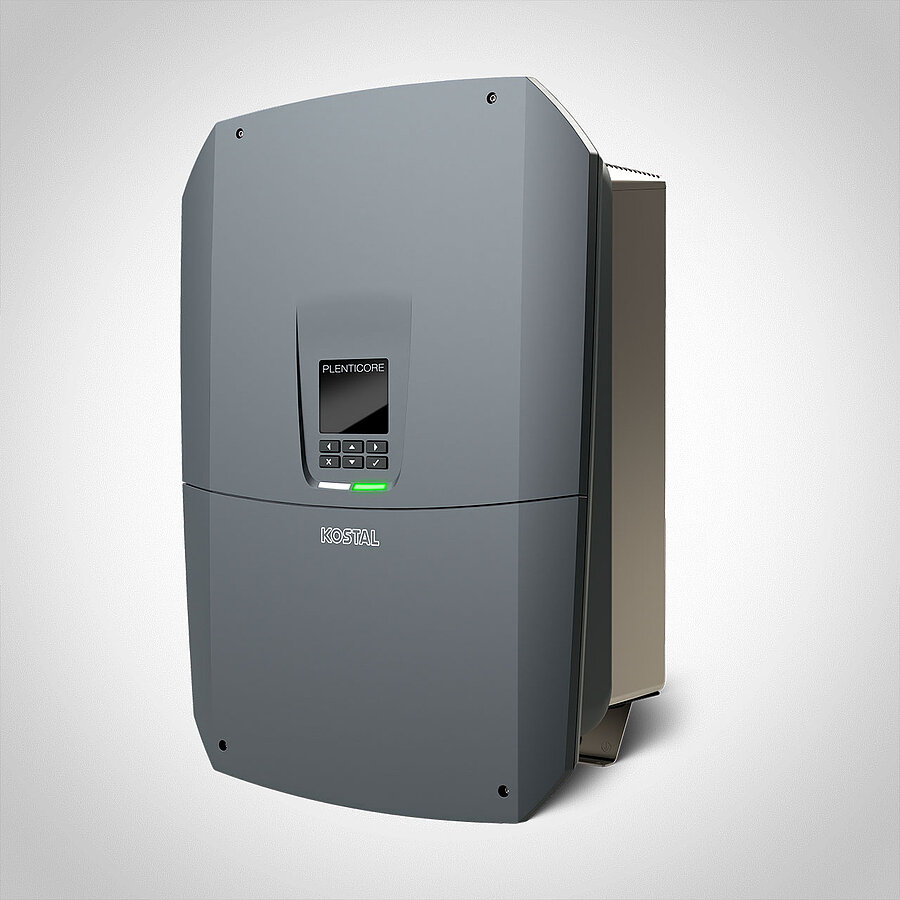
A photovoltaic system converts sunlight into electrical energy. This electricity can be used directly in your own home – for example, to power a fridge, washing machine, entertainment electronics or other electrical appliances.
Whilst the system is generating electricity, less energy needs to be drawn from the national grid. This changes the role of your home: it transforms from being purely an electricity consumer into an electricity generator at the same time.
Generate your own electricity rather than relying solely on the grid. With every kilowatt-hour of solar power you use yourself, you reduce the amount of electricity you draw from the public grid. Download the latest leaflet now!
Make more use of your own solar power
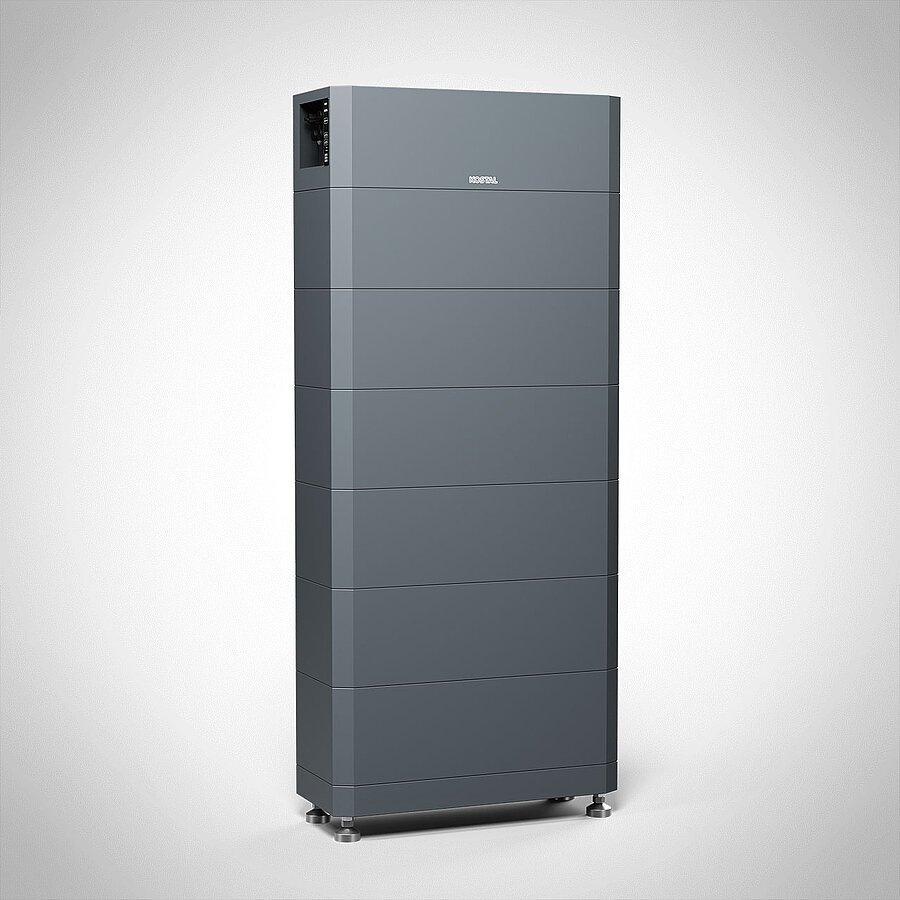
However, the sun does not follow a household’s electricity consumption patterns. At midday, a photovoltaic system often generates a particularly large amount of energy. By contrast, a large proportion of electricity demand occurs in the morning or evening. A battery storage system helps to bridge this time gap.
Surplus solar power is stored rather than being fed directly into the grid. If more energy is needed later, the household can draw on the stored solar power.
During the day: generate solar power → supply the home → store surplus
In the evening: use stored solar power → draw less electricity from the grid
In this way, a larger proportion of a household’s energy needs can be met with self-generated solar power.
Read also: Storing solar power and using it later →
Supplying energy for heating and transport as well
The electricity requirements of a modern home are changing. Whereas in the past fuel was needed for the car and, for example, gas or oil for heating, electrical solutions are increasingly being used today.
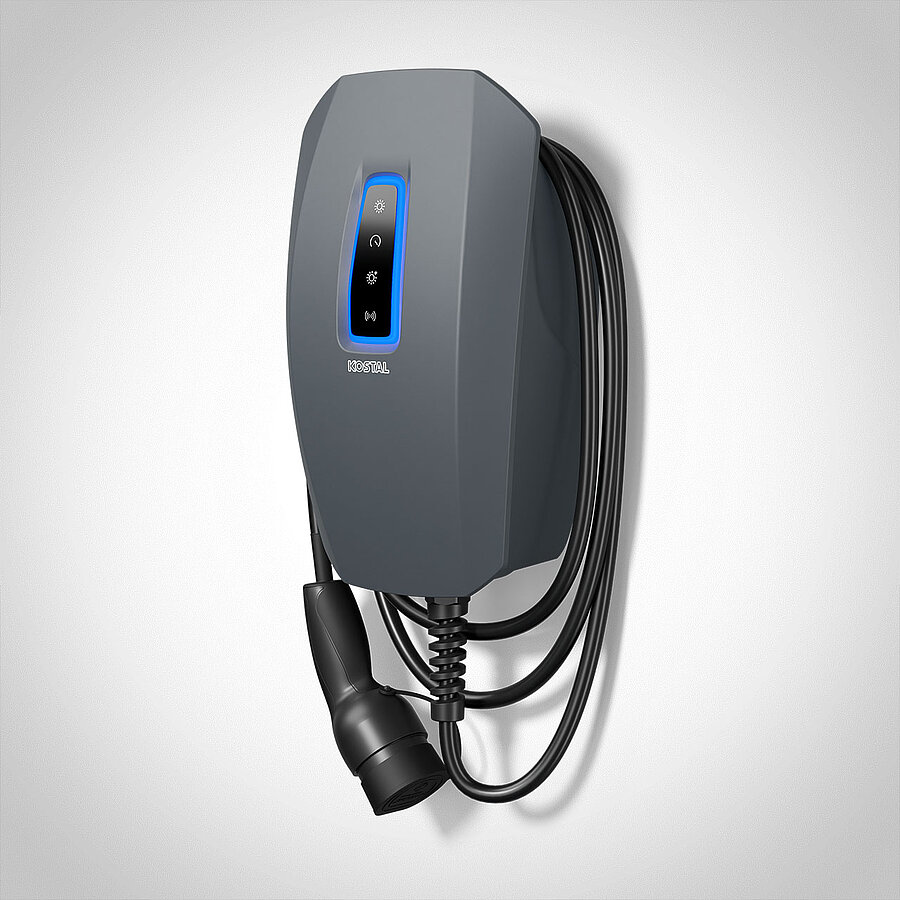
A heat pump uses electricity for heating. An electric car needs electricity to run. Both can be powered, at least in part, by energy from your own solar panel system.
This means that generating your own solar power is becoming significantly more important:
PV system → household → battery storage → heat pump → electric car
Your own photovoltaic system then no longer simply supplies electricity for the household. It becomes a key component of the energy supply for the entire home.
Distributing your own energy intelligently
The more appliances you add, the more important the question becomes:
Where is my solar power best used right now?
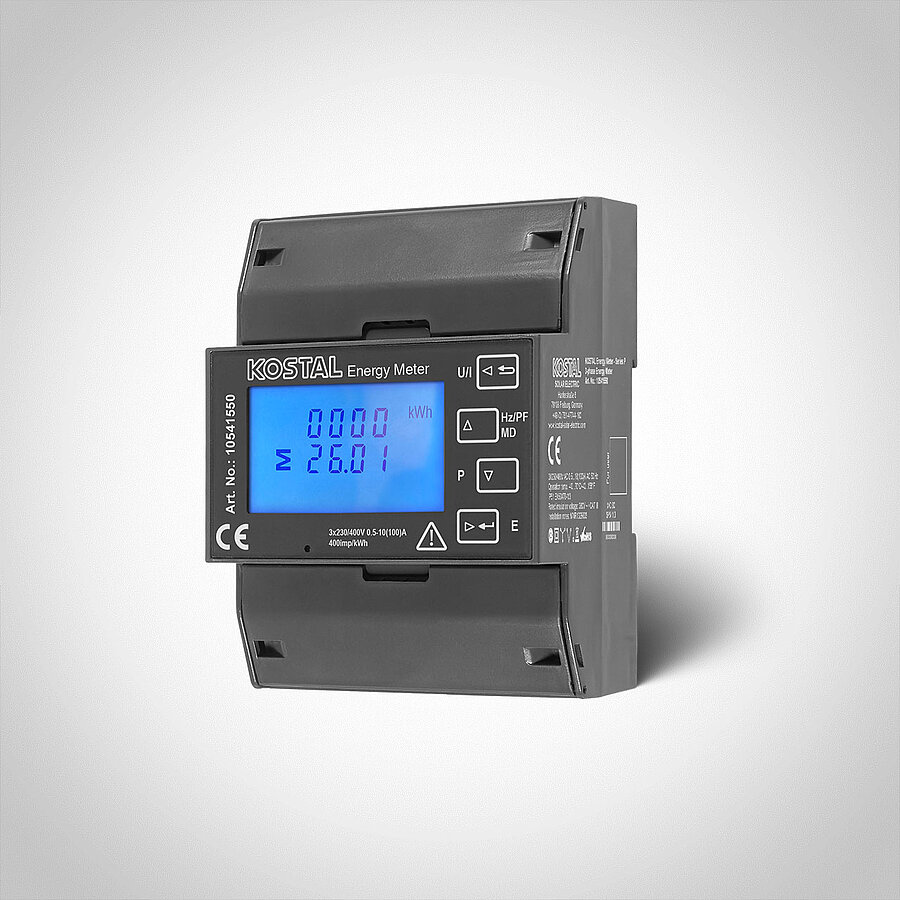
Should the battery storage system be charged first? Is there surplus energy available for the electric car? What is the current electricity consumption in the house? Intelligent energy management provides transparency and helps to balance generation and consumption. This allows the various components of the energy system to work together – with the aim of using as much of the self-generated energy as possible for your own needs.
‘More independent’ does not mean independent of the electricity grid
Even with photovoltaic systems and battery storage, a connection to the public electricity grid remains both sensible and necessary. This is because solar energy is not available in the same quantities at all times. In winter, generation is lower than in summer; at night, the PV system does not produce any electricity; and prolonged periods of bad weather also need to be bridged.
The aim of a modern photovoltaic system is therefore not necessarily complete self-sufficiency.
The key factor is how much grid electricity can be replaced by self-generated energy.
The national grid and your own energy generation complement one another.
And what if the electricity grid fails?
Independence from the grid is not the same as having a power supply during a power cut. A standard photovoltaic system shuts down for safety reasons in the event of a grid failure. Even if the sun is shining at that moment, solar power is therefore not automatically available in the home.
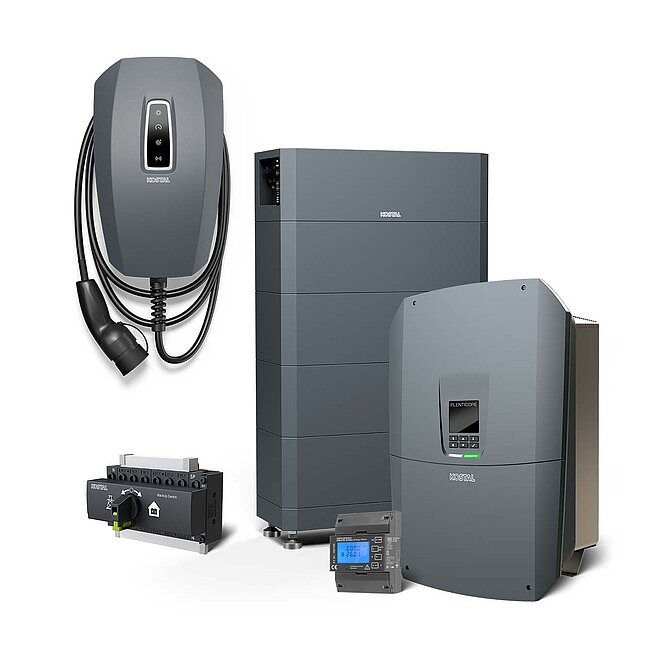
Anyone wishing to continue powering selected appliances or their home even during a power cut will need a backup power solution designed for this purpose. In conjunction with a suitable inverter, battery storage and an automatic grid switch, the energy system can take over the power supply in the event of a grid failure.
Read more: Find out how backup power works with photovoltaics →