Installer portal
 Solar Academy
 Download
 Solar Terminal


With photovoltaics
Reducing energy costs in the commercial sector
Generating your own solar power reduces the amount of electricity drawn from the grid and can help businesses optimise their running energy costs in the long term

Using your own energy cost-effectively
Electricity is a significant cost factor for many businesses. Production, machinery, lighting, cooling, IT and charging infrastructure all generate energy demand on a day-to-day basis.
A photovoltaic system makes it possible to generate part of this electricity directly on site. If the energy generated is used immediately within the business, correspondingly less electricity needs to be drawn from the public grid.
Businesses in particular often have ideal conditions for this: many commercial consumers require energy during the day – which is precisely when the photovoltaic system generates electricity.
Are
you interested in having your own solar system for your business? Use our overview map to
find your nearest KOSTAL installer.
Targeted reduction of grid consumption
The economic benefits of a commercial photovoltaic system do not stem solely from the amount of solar power generated. Another crucial factor is how much of this power can be used directly within the business. If machinery, cooling systems, ventilation, IT equipment or other electrical loads are running whilst solar power is being generated, the energy produced can be fed directly into the business’s operations.
Every kilowatt-hour of solar power used on-site can replace a kilowatt-hour that would otherwise have to be drawn from the grid. This is why self-consumption plays an important role in the planning of commercial photovoltaic systems.
Using load profiles effectively
How well photovoltaics suit a business depends heavily on its individual load profile. Manufacturing plants, for example, require a continuous supply of energy during working hours. Cooling systems run for many hours. In office buildings, a large proportion of electricity consumption occurs during the day. Agriculture, retail and logistics also often have distinctive consumption profiles.
When planning, it is therefore worth considering electricity consumption and potential solar power generation together. The better the two match, the greater the proportion of solar power that can be used directly on site.
Temporary storage of solar power
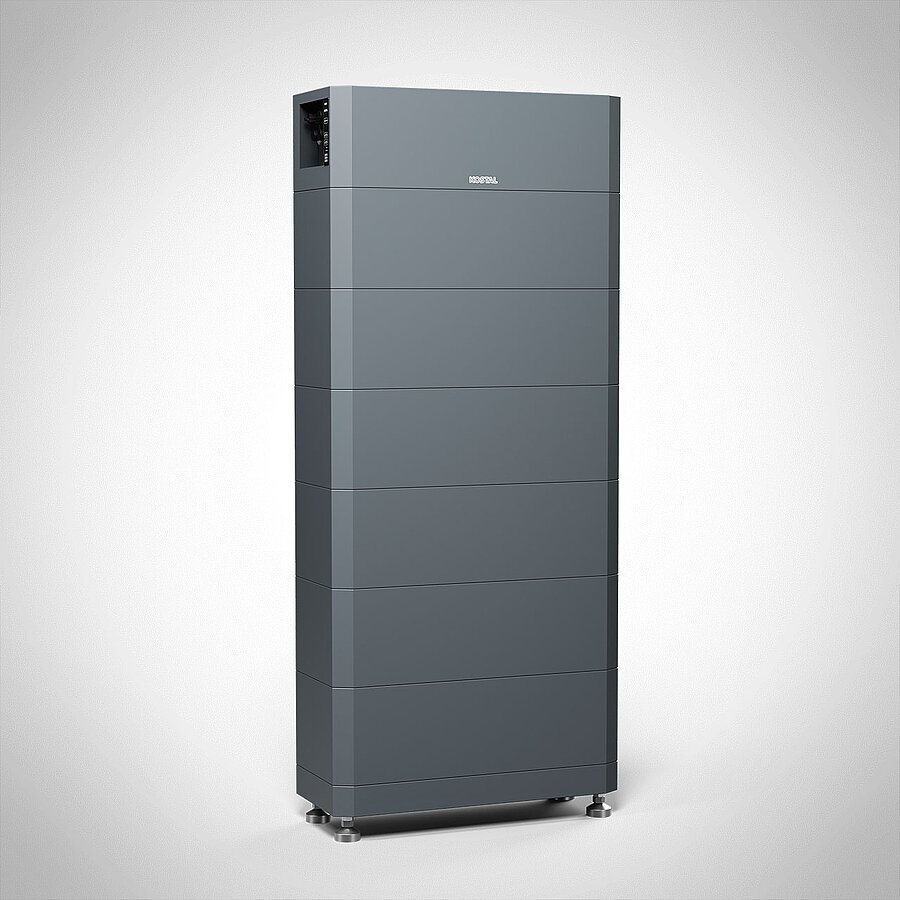
Electricity generation and demand do not always occur at the same time. If the photovoltaic system generates more energy than is currently required for operations, a battery storage system can store surplus solar power and make it available again at a later time.
In this way, solar energy generated during particularly productive hours can, for example, be stored for use at times when electricity demand is higher. A storage system thus expands the possibilities of a commercial photovoltaic system: solar power no longer has to be used exclusively at the very moment it is generated.
The appropriate storage capacity depends on the company’s individual energy and load profile.
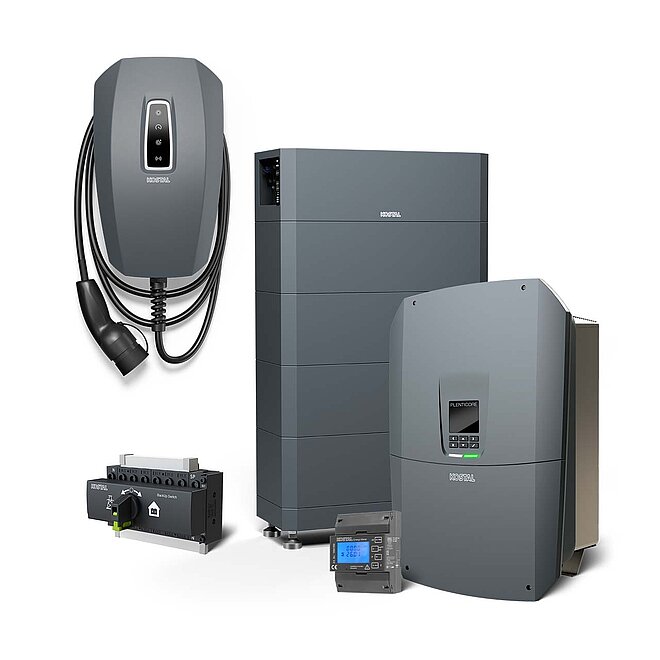
Curious? Find out more about the KOSTAL complete system, comprising an inverter,
storage unit and wallbox. Simply download the latest leaflet!
Intelligently limiting peak loads
For commercial customers, peak loads can also affect electricity costs, in addition to the amount of energy consumed. If particularly high loads occur for a short period – for example, when several machines or other high-power appliances are running simultaneously – a battery storage system can provide additional energy.
This allows electricity draw from the grid to be specifically limited in such situations. This process, known as ‘peak shaving’, gives battery storage systems an additional role in the commercial sector: they not only store solar power but can also help to optimise a company’s load profile.
Managing consumers intelligently
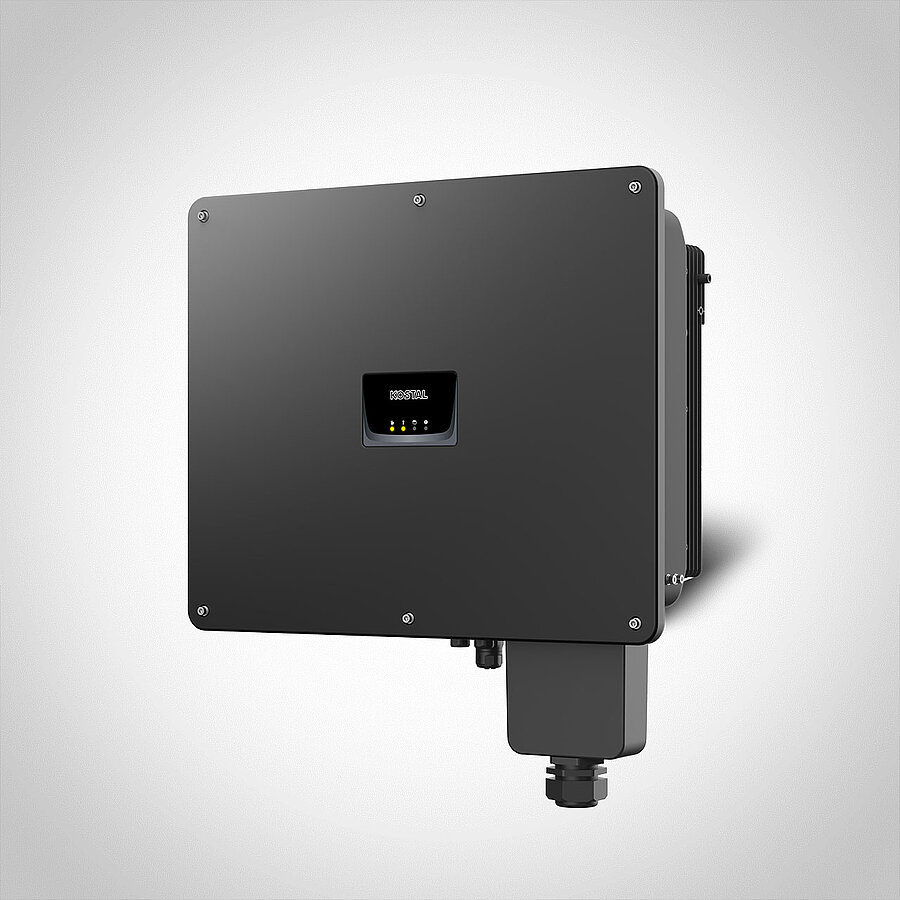
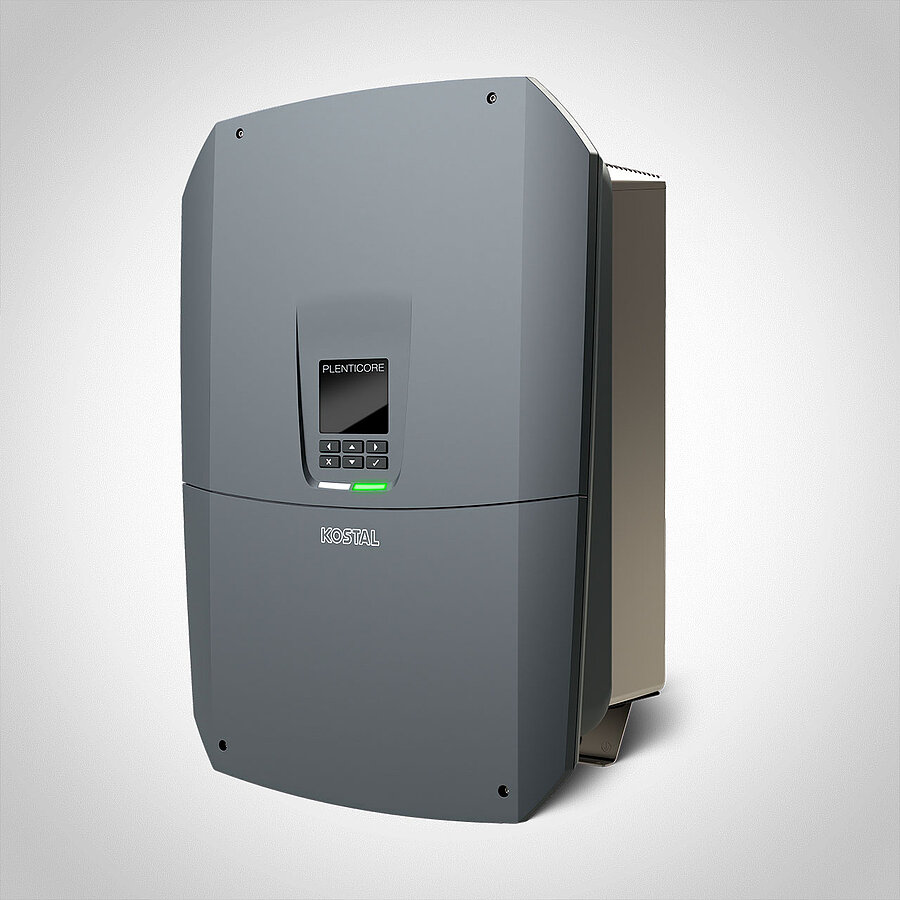
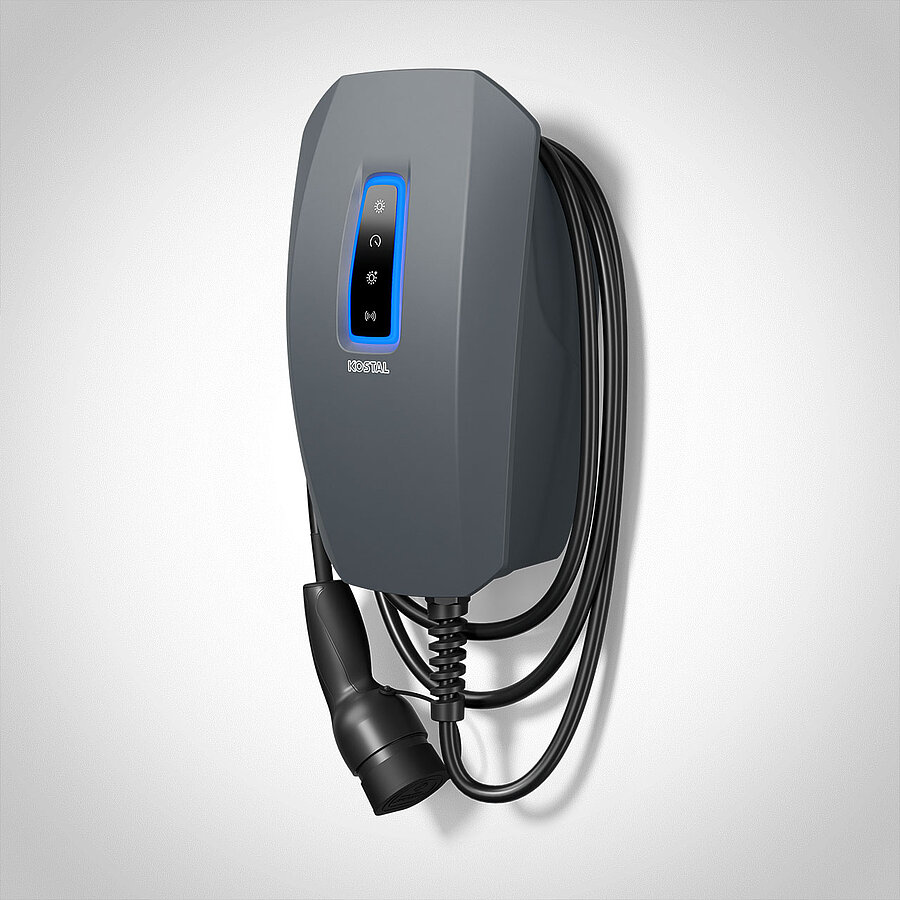
Not all electricity consumption has to take place at a precisely defined time. Charging electric vehicles, operating pumps, running cooling systems or other controllable processes can, depending on the operation, allow for a certain degree of flexibility in terms of timing. Intelligent energy management can make use of this flexibility and better align consumers’ usage with the available solar energy.
Rather than feeding surplus solar power into the grid and drawing electricity from it later, it may be more cost-effective to deliberately shift suitable loads to times when the property’s own electricity generation is high. In this way, the photovoltaic system increasingly becomes an actively controlled energy system.
Integrating new loads
The electricity requirements of many businesses will change in the coming years. Electric vehicles and on-site charging infrastructure can create new loads. Heating, cooling and production processes are also becoming increasingly electrified.
A photovoltaic system can provide some of this additional energy directly at the company’s site. This increases the opportunities to use one’s own solar power economically – and makes forward-looking planning more important.
Photovoltaic systems, battery storage, charging infrastructure and energy management should therefore not be viewed in isolation, but as a unified energy system.
Assessing cost-effectiveness on a case-by-case basis
There is no one-size-fits-all answer to the question of how much a business can reduce its energy costs through photovoltaics. Key factors include electricity consumption, load profile, available roof or open-space areas, system size, self-consumption, electricity prices and potential storage applications.
Future changes should also be taken into account: will charging infrastructure be added? Will electricity demand rise? Can consumers be managed flexibly? Careful planning therefore considers not only the potential PV output but the company’s entire energy system.
This results in a solution that suits current operations whilst also opening up possibilities for future requirements.
Actively managing energy costs
Photovoltaics transforms companies from mere energy consumers into energy producers.
The more of their own solar power that can be used directly, the less energy needs to be drawn from the public grid. Battery storage systems can shift solar power over time and limit peak loads. Intelligent control brings generation and flexible loads together.
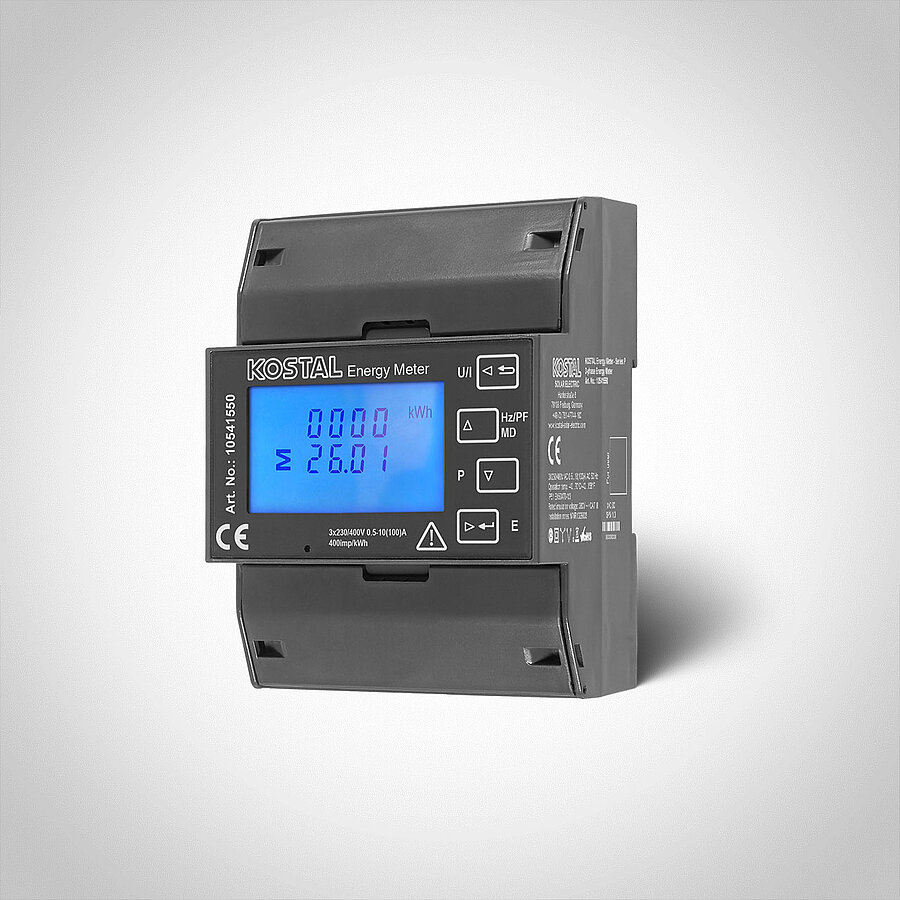
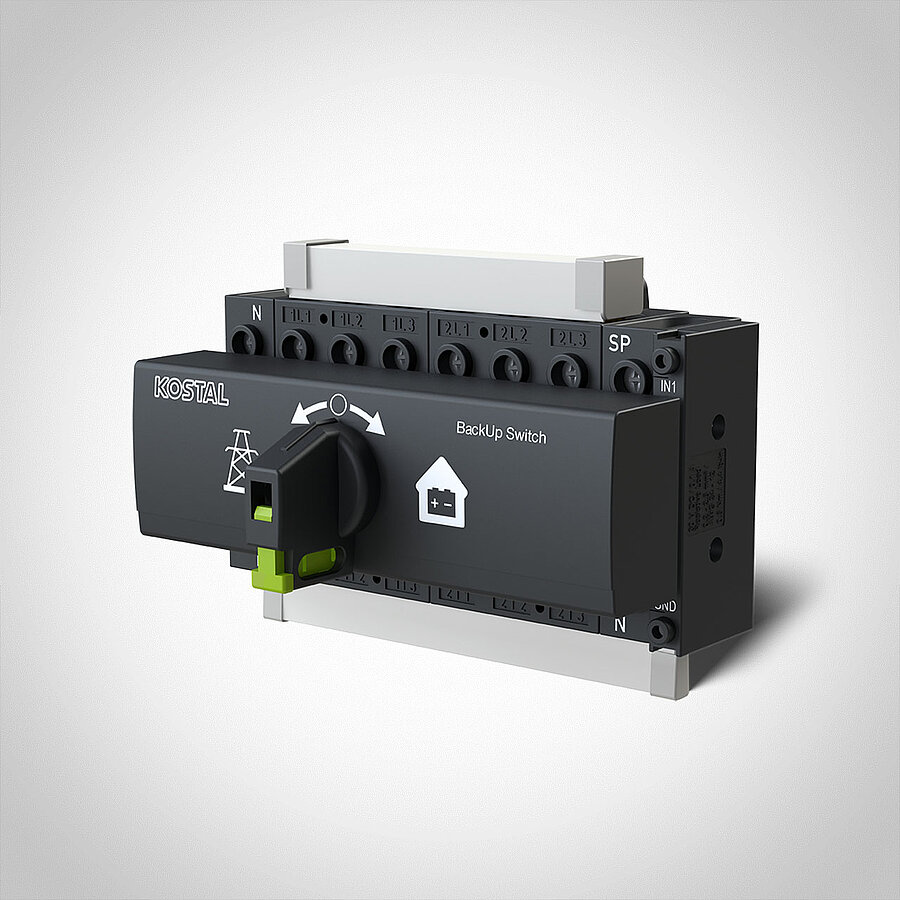
KOSTAL offers power and charging electronics solutions that combine photovoltaics, storage, energy metering and charging infrastructure into a high-performance energy system.
In this way, your own energy supply becomes a key factor in optimising operating costs in the long term.
Discover photovoltaics for your home now and find your nearest KOSTAL specialist partner!