Installer portal
 Solar Academy
 Download
 Solar Terminal


Solar power in the commercial sector
marketing and utilisation
Using or selling their own energy: businesses can utilise solar power with increasing flexibility and cost-effectiveness

Using solar power cost-effectively
A commercial photovoltaic system may at times generate more electricity than the business itself requires. This raises the question of what to do with this surplus energy: how can the energy generated be used in a commercially viable way?
In addition to the traditional method of feeding electricity into the public grid, other marketing options may be worth considering – depending on the system and the prevailing conditions.
This shifts the perspective on the photovoltaic system. It is no longer solely about generation and self-consumption, but about making the best possible use of the available energy. Self-consumption, storage and selling surplus energy can all become building blocks of a comprehensive energy strategy.
Are
you looking to install your own solar system for your business? Use our overview map to
find your nearest KOSTAL installer.
Consider your own consumption first
Solar power generated on-site can directly supply machinery, buildings, charging infrastructure or other consumers at the site. This reduces the amount of electricity that needs to be drawn from the public grid. For this reason, self-consumption is an important factor in the cost-benefit analysis for many businesses.
However, not every kilowatt-hour generated can be used immediately. Surpluses can regularly arise, particularly with large roof and ground-mounted installations.
In such cases, the planning process should not stop at the question of how much solar power can be consumed on-site. It is equally important to consider: what economic use can be made of the energy generated in excess of this?
Targeted marketing of surplus produce
Solar power that is neither consumed directly nor stored can be fed into the public electricity grid. Depending on the size of the system, regulatory requirements and the chosen marketing model, the energy generated can be marketed in various ways.
In addition to a fixed feed-in tariff, direct sales may, for example, be a viable option. In this case, the electricity generated is sold on the energy market. Particularly for larger commercial photovoltaic systems, it can therefore be worthwhile to consider various models as early as the planning stage.
The photovoltaic system thus not only becomes a source of energy for the owner’s own use but can also participate in the electricity market.
Electricity prices are becoming more volatile
The value of electricity is not the same at all times. On the electricity markets, prices fluctuate depending on supply and demand. Particularly at times of high solar power generation, a large amount of energy may be available simultaneously.
This means that the timing of consumption, storage and feed-in is becoming increasingly important. This opens up new possibilities for businesses: it is not just the amount of energy generated that counts, but increasingly also when energy is needed, stored or sold.
Smart energy systems can take such varying situations into account, thereby laying the foundations for a more flexible approach to managing a company’s own electricity generation.
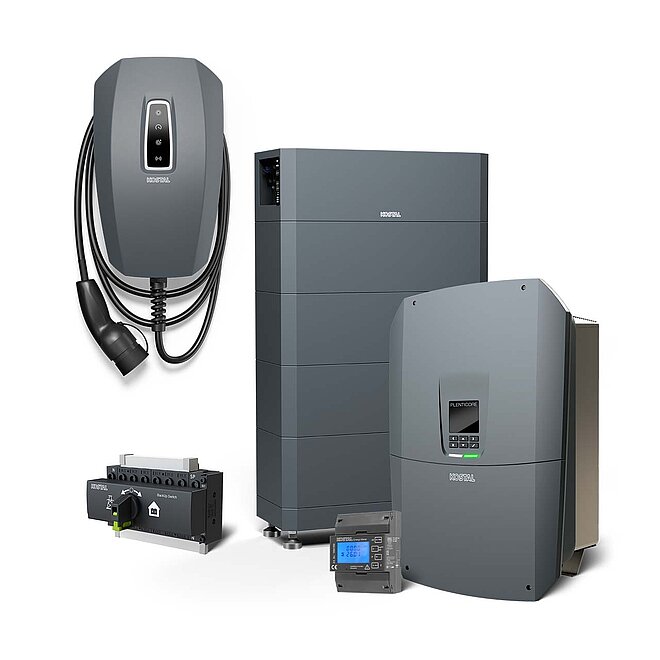
Curious? Find out more about the KOSTAL complete system comprising an inverter,
battery and wallbox. Simply download the latest leaflet!
Storage creates options
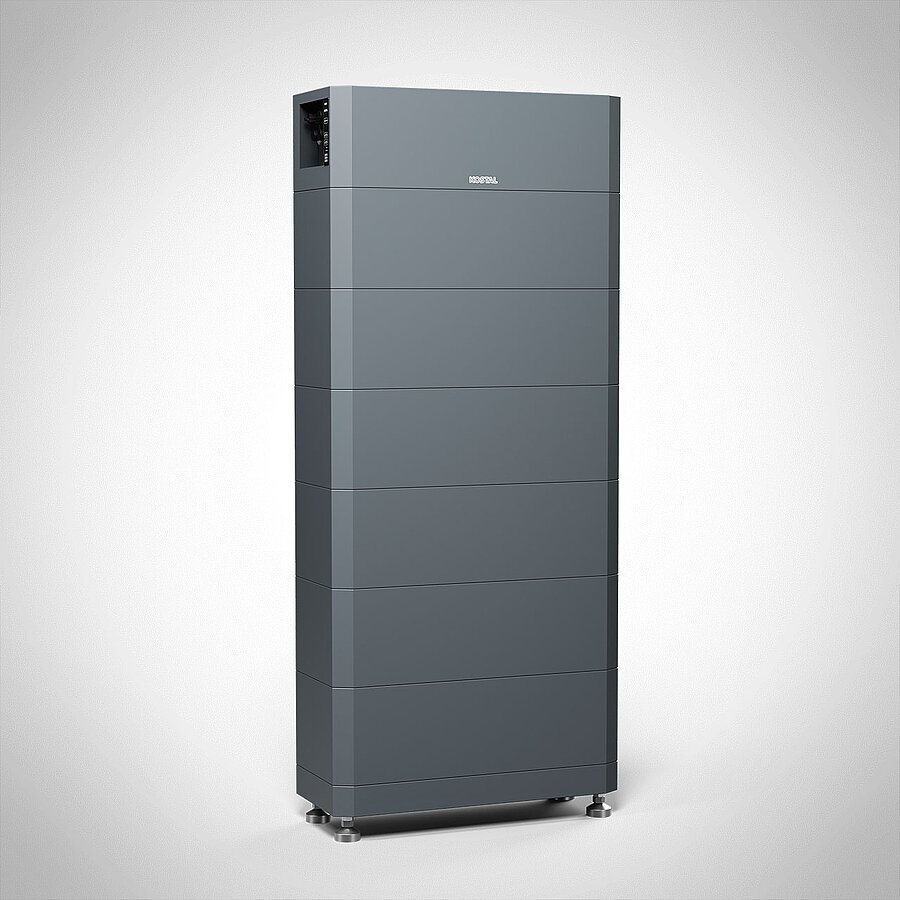
A battery storage system expands the options for managing surplus solar power. Instead of consuming or feeding energy into the grid straight away, it can be stored first. This allows the timing of its use to be deferred.
The stored electricity can later be used within the business when PV generation drops. Depending on the technical and economic approach, storage systems can also take on further roles within the energy system. This creates additional flexibility between generation, self-consumption, storage and the grid.
Which use case makes economic sense depends on the load profile, the storage system, the marketing model and the prevailing market conditions.
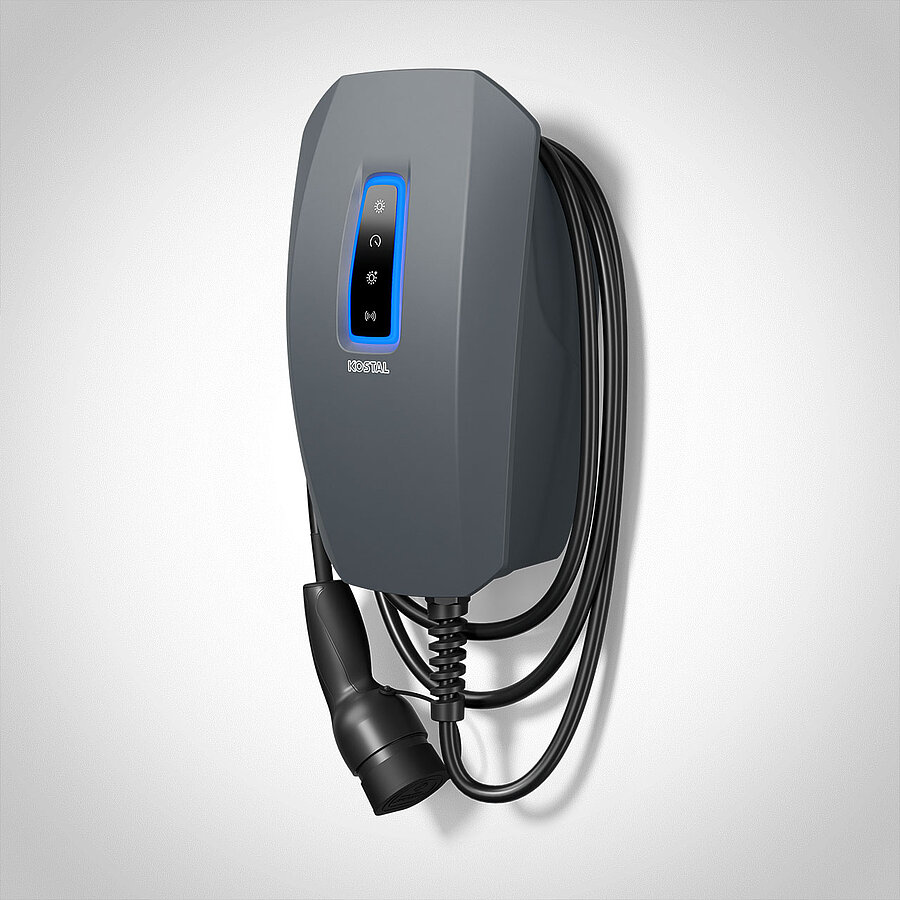
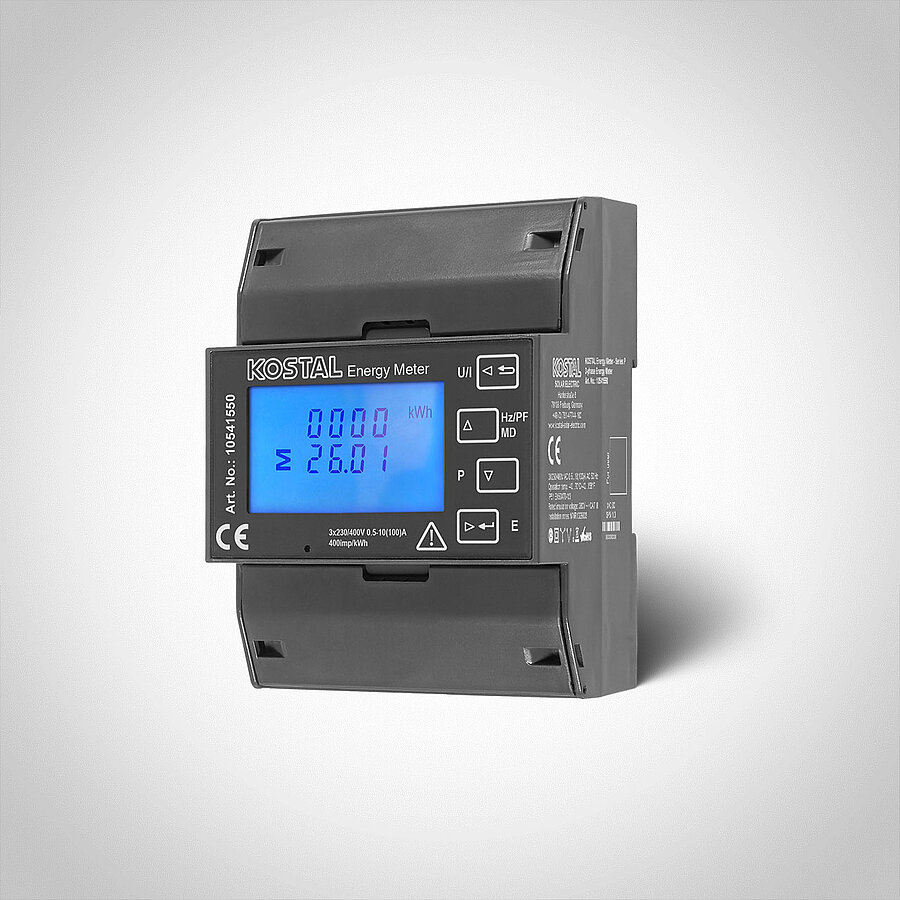
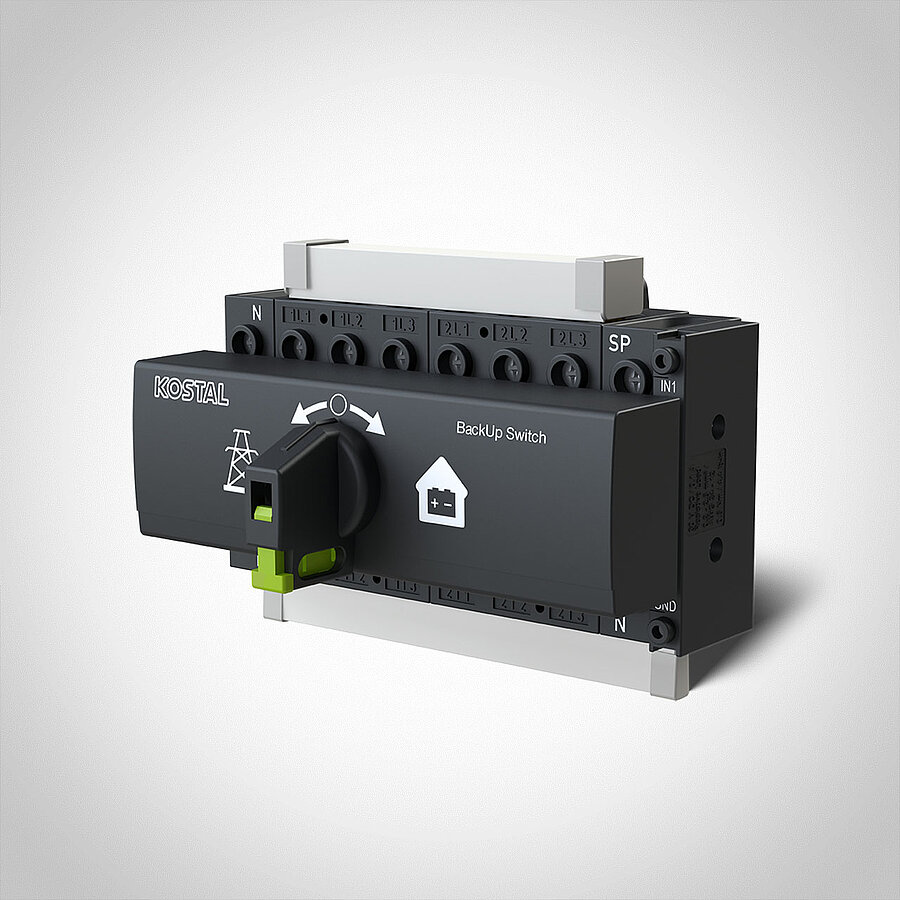
Dealing more effectively with output limitation
Regulatory requirements or grid conditions can also influence how much solar power can be fed into the grid at any given time. A smart energy system can create additional ways of responding to such situations.
Instead of leaving available PV output unused, flexible loads can, for example, be activated or existing storage capacity utilised – provided that the technical system and the relevant framework conditions allow for this.
This makes the controllability of the system increasingly important. The more flexibly a business can manage the energy it generates, the more opportunities it has to respond to different grid and market situations.
Intelligently managing energy flows
As opportunities increase, the energy supply becomes more complex. Should solar power be used directly within the company? Are there flexible loads? Is storage capacity available? Or can energy be fed into the grid and sold?
An energy management system can consolidate the necessary information and coordinate energy flows. External systems and marketing partners can also be integrated into this process. In this way, a traditional photovoltaic system is transformed into an increasingly flexible energy system that not only generates energy but can also respond to varying requirements.
Self-consumption, storage and marketing are not considered in isolation, but as an integrated whole.
Considering marketing
Which marketing options make sense for a business depends on many factors. System size, generation profile, self-consumption, storage, regulatory requirements and the market model all influence the decision. Existing or future marketing partners also play a role.
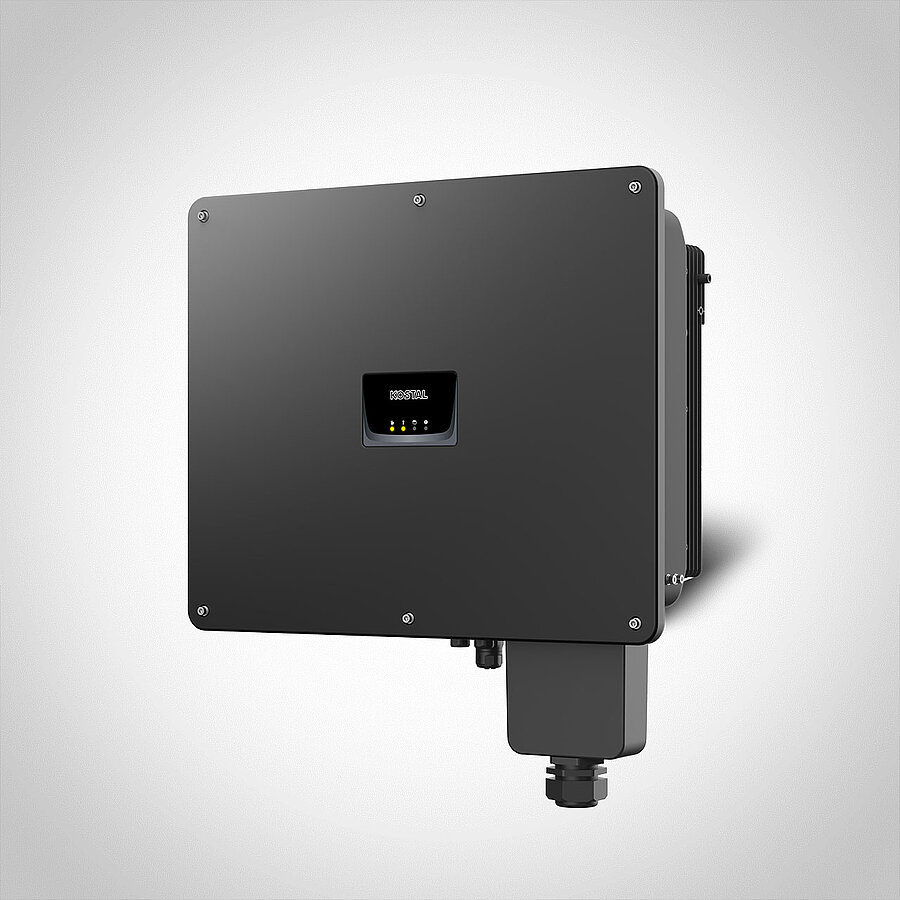
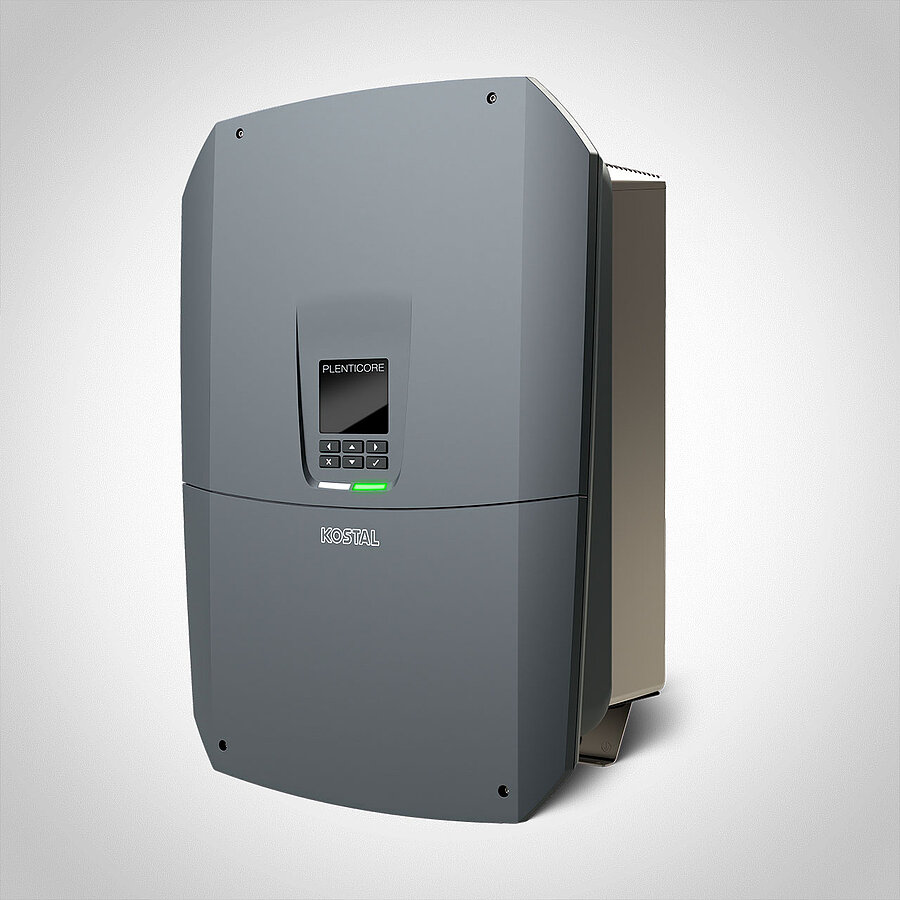
That is why this issue should be incorporated into the energy concept as early as possible. With high-performance inverter technology, energy metering, storage integration and open interfaces, KOSTAL creates the technical foundation for flexible energy systems.
This enables your own photovoltaic system to work in harmony with the requirements of your business, the grid and the energy market.
Getting more out of solar power
Commercial photovoltaics opens up more possibilities than self-consumption and traditional feed-in. Surplus energy can be stored, flexible loads integrated and – depending on the specific concept – sold on the energy market.
As a result, flexibility is increasingly becoming an economic factor. Those who generate, use, store and sell solar power intelligently can get more out of their own energy.
Discover photovoltaics for your home now and find your ideal KOSTAL specialist partner!