Installer portal
 Solar Academy
 Download
 Solar Terminal


Commercial premises with photovoltaic systems
making economic use of them
Roofs and suitable open spaces are transformed into productive components of a company’s energy supply through the use of photovoltaic systems

Space becomes a source of energy
Production halls, warehouses, workshops, retail premises and agricultural buildings often have large roof areas. Depending on the location, there may also be suitable open spaces or other areas that have not previously been utilised for energy generation.
With photovoltaics, businesses can make additional use of these existing areas: to generate electricity for their own operations. This makes the space doubly productive. Work, production or storage takes place beneath the roof – whilst energy is generated on the roof at the same time.
In this way, existing space becomes an active component of the business’s energy supply.
Would
you like your own solar system for your business?
Find your nearest KOSTAL installer on our overview map.
Making productive use of roofs
Large commercial roofs often offer ideal conditions for photovoltaic systems. Production halls, warehouses, logistics centres, agricultural buildings and car showrooms sometimes have roof areas measuring several hundred or even a thousand square metres. Photovoltaics gives this space an additional function. Not only does it protect the building, but it can also be used to generate electricity at the same time.
However, it is not necessarily the case that every available area must be covered to the maximum extent with modules. The key is to develop a plan that balances the potential of the space, electricity demand, technical requirements and cost-effectiveness. This results in a system that is tailored to the specific location and business.
Self-consumption brings benefits
Generating your own electricity becomes particularly interesting when the solar power produced is needed directly on site. Many commercial premises have a continuous demand for energy during the day – for example, from machinery, lighting, cooling, ventilation, IT or other technical systems.
This means that electricity generation and consumption can be well aligned. Instead of feeding solar power exclusively into the public grid, as large a proportion as possible can be used directly within the business. The existing roof area thus becomes a source of energy for day-to-day operations.
The higher the level of self-consumption, the more the photovoltaic system can help to reduce electricity procurement from the grid.
Develop additional open spaces
It is not only building roofs that are suitable for photovoltaic systems. Depending on the business and its location, suitable open spaces may also offer potential for electricity generation. This can enable additional generation capacity to be tapped, particularly for businesses with larger plots of land.
Whether and to what extent an open-space installation is practical and permissible depends on local conditions, land use and the legal framework. Roofs and open spaces should therefore not be considered in isolation.
The decisive factor is the site’s overall energy potential: how much energy can be generated – and how can it be utilised economically?
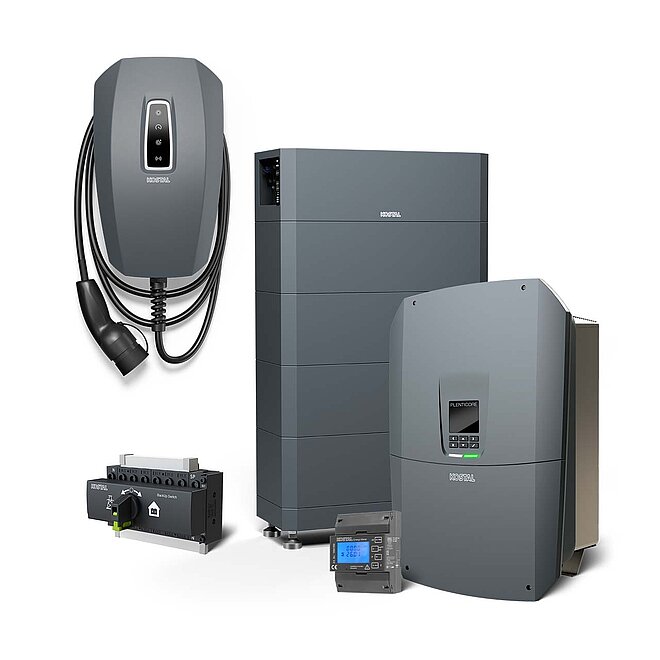
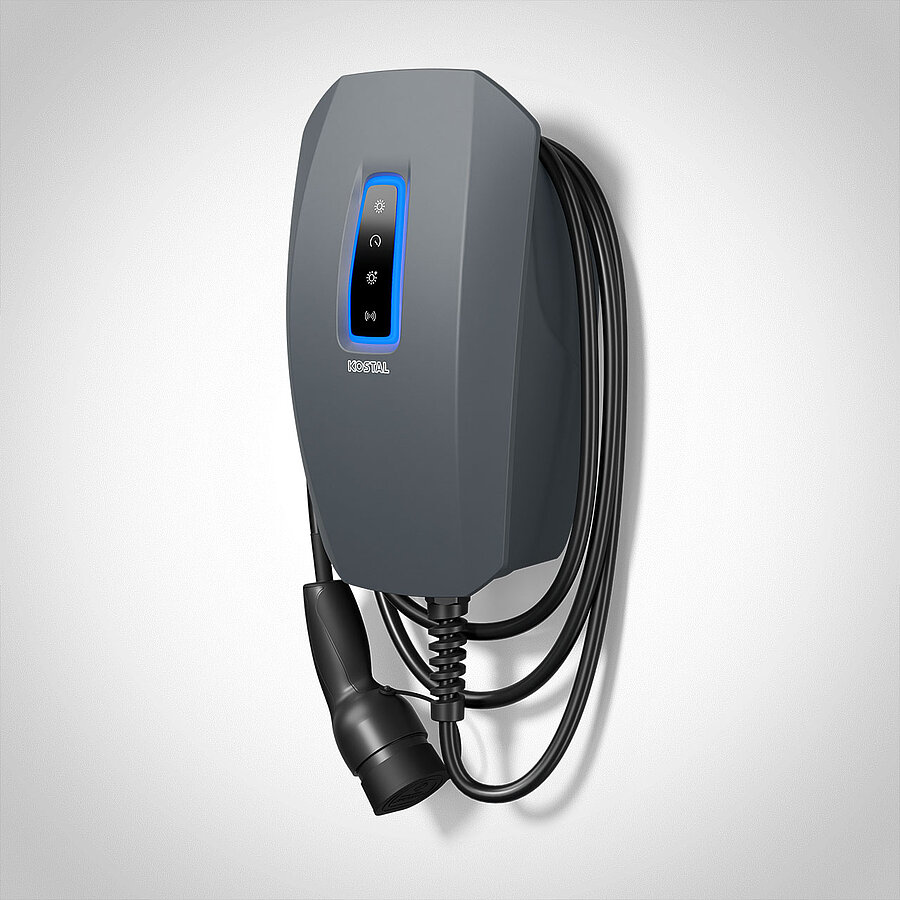
Curious? Find out more about the KOSTAL complete system, comprising an inverter,
storage unit and wallbox. Simply download the latest leaflet!
Generate more than you consume
If a large area is available, a photovoltaic system may at times generate more electricity than the business immediately requires. This need not be a disadvantage. Surplus solar power can be fed into the public grid, temporarily stored in a battery storage system or – depending on the system and the circumstances – sold.
This creates a range of options for utilising the energy generated. When planning, therefore, the focus should not only be on the size of the available space, but also on which energy strategy best suits the business: self-consumption, storage and selling the surplus can all be combined.
Storage expands possibilities
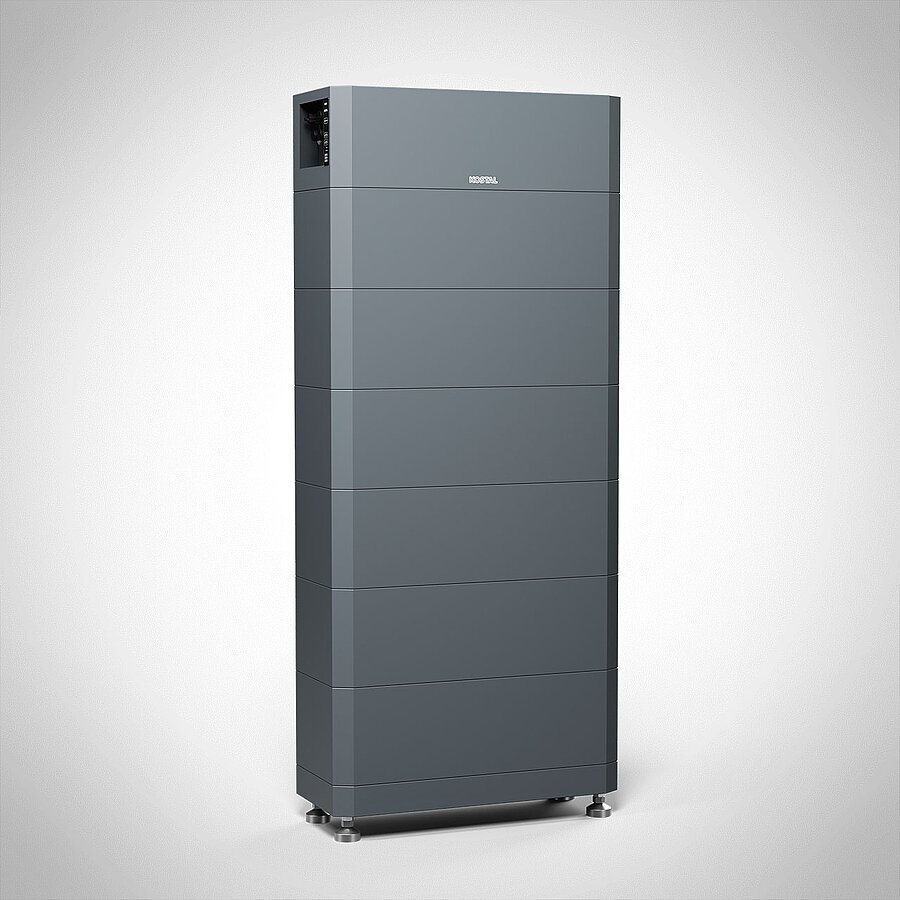
A battery storage system makes the use of your own property even more flexible. If the solar panel system generates more energy than is required at certain times, part of the surplus can be stored. The energy is then available for use at a later date.
A storage system can also perform other tasks – for example, reducing grid draw-off at certain times or limiting peak loads. This approach takes into account not just the photovoltaic system, but the entire operational energy system.
The site generates energy, the storage system shifts it, and the business utilises it where it can be put to economically sound use.
Planning for new consumers
Today’s electricity consumption does not necessarily have to match tomorrow’s energy requirements. Electric company vehicles, charging points, heat generation or the further electrification of operational processes can increase electricity demand. A larger photovoltaic system can create additional opportunities to meet these needs. Solar power that is currently generated as surplus can be used directly for new electrical applications in the future.
It is therefore worth looking beyond current consumption when utilising existing roof and open-space areas. Forward-looking planning also takes into account how operations, the vehicle fleet and energy requirements may develop in the future.
Taking a holistic view of the site
The extent to which photovoltaics can be sensibly implemented at a commercial site depends on many factors. In addition to the available space, factors such as roof orientation and condition, structural integrity, shading, grid connection, electricity demand and load profile all play a role. In the case of open spaces, further technical and regulatory requirements come into play. Careful planning therefore aligns the technical potential of the space with the business’s energy requirements.
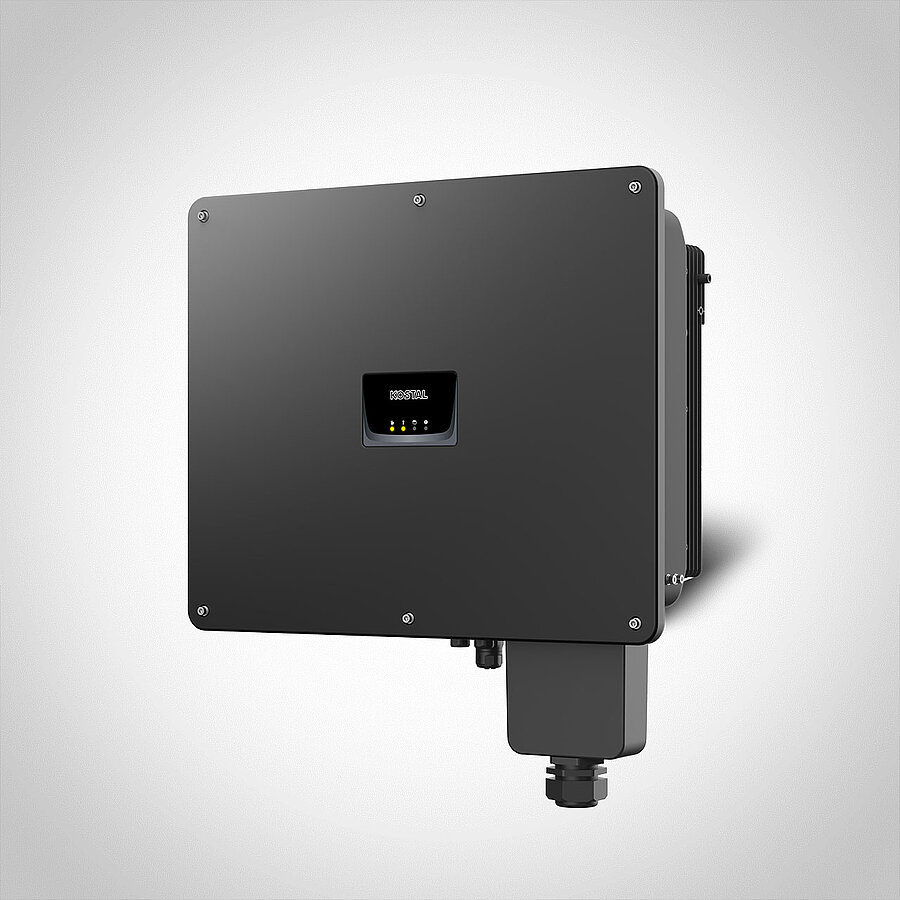
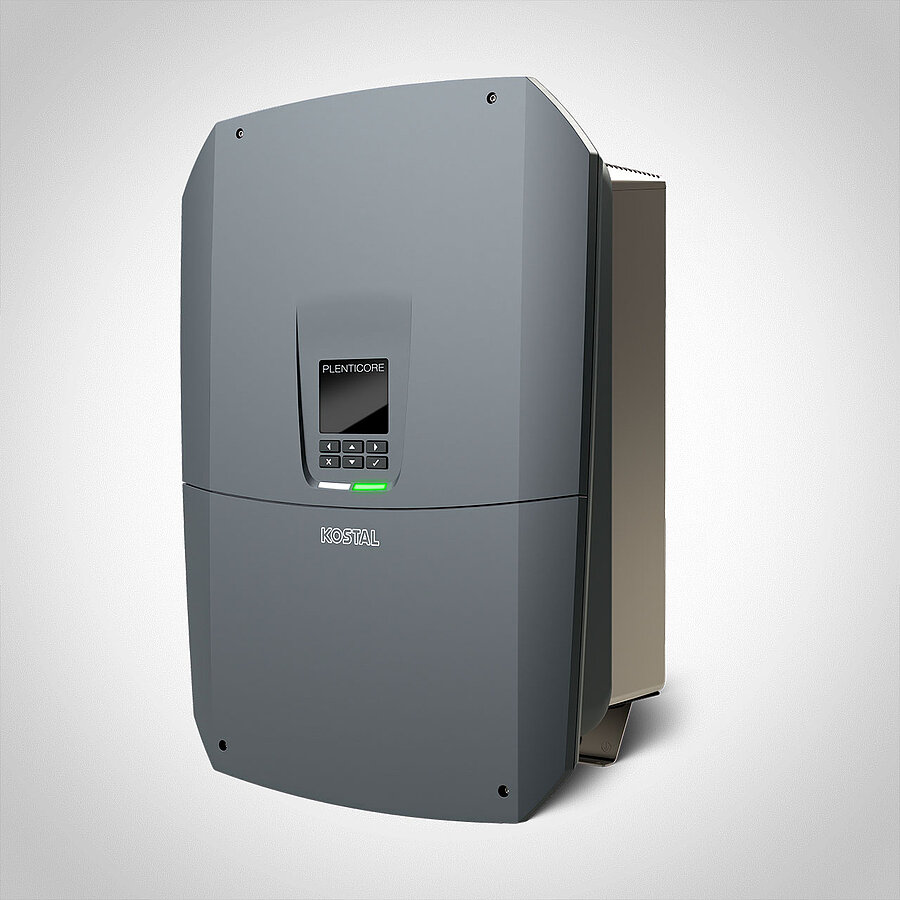
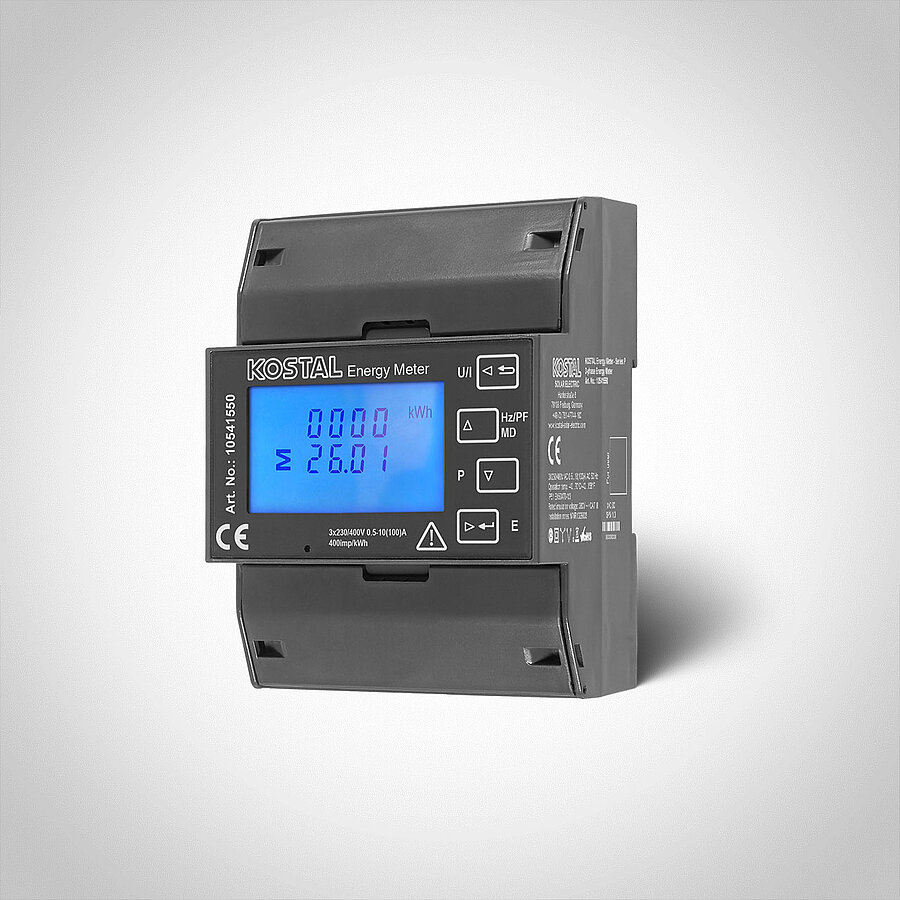
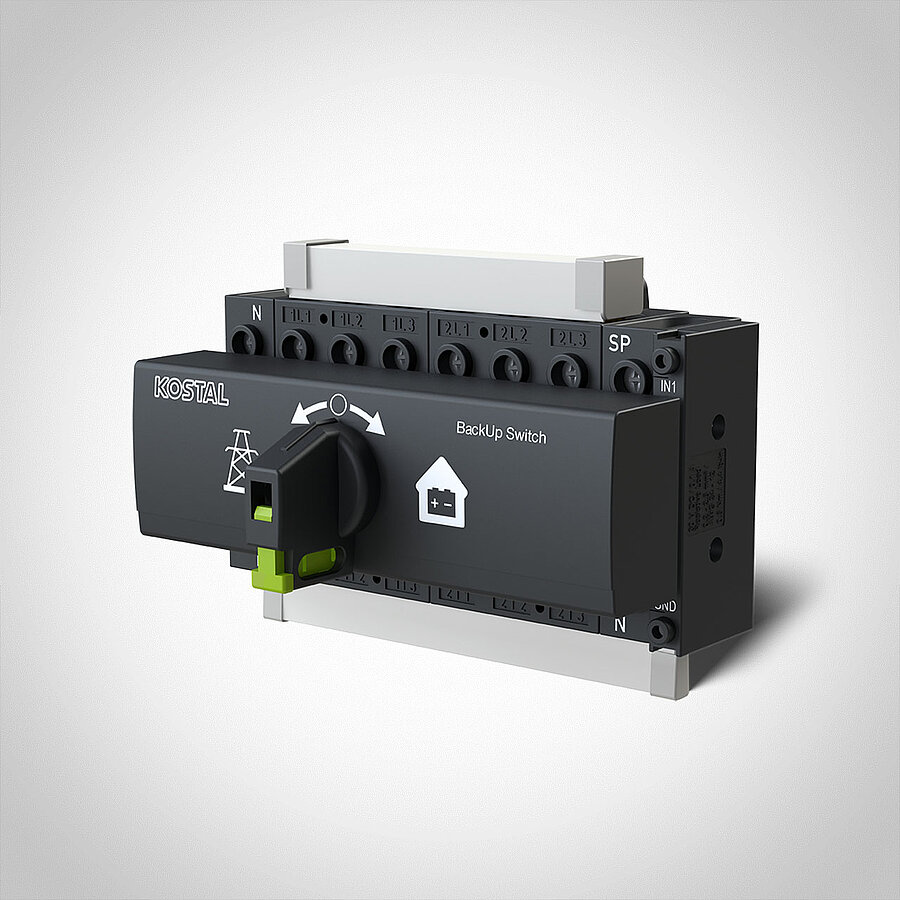
KOSTAL offers power and charging electronics solutions that enable even larger photovoltaic systems, battery storage, energy metering and charging infrastructure to be integrated into a coordinated energy system.
Making the most of space
Roofs and suitable open spaces can be far more than just untapped potential. With photovoltaics, they become a productive part of the business: they generate energy for machinery, buildings, charging infrastructure and other electrical applications. Battery storage and smart energy management further expand the possibilities.
In this way, existing space becomes your own energy source – and your business premises become an active part of the future energy supply.
Discover photovoltaics for your home now and find your local KOSTAL specialist partner!