Installer portal
 Solar Academy
 Download
 Solar Terminal


Smart modernisation of existing energy systems with
photovoltaics
Continue to utilise existing technology, add new capabilities and gradually develop the company’s energy supply

The past shapes the future
Not every new energy concept starts from scratch. Many companies already have photovoltaic systems, energy generators or other technical infrastructure that has been operating reliably for years.
At the same time, requirements are changing. Electricity is increasingly needed for mobility, heating and other operational processes. Battery storage systems open up new possibilities, whilst smart control systems link previously separate areas.
That is why it can make sense to further develop existing energy systems in a targeted manner. Modernisation does not necessarily mean replacement. Often, it is a matter of sensibly supplementing existing technology with new components and functions.
Would
you like your own solar system for your business?
Find your nearest KOSTAL installer on our overview map.
Further developing existing PV systems
Many photovoltaic systems were originally designed with a relatively simple energy concept in mind: generating solar power and feeding a large proportion of it into the public grid. Today, there are additional options available.
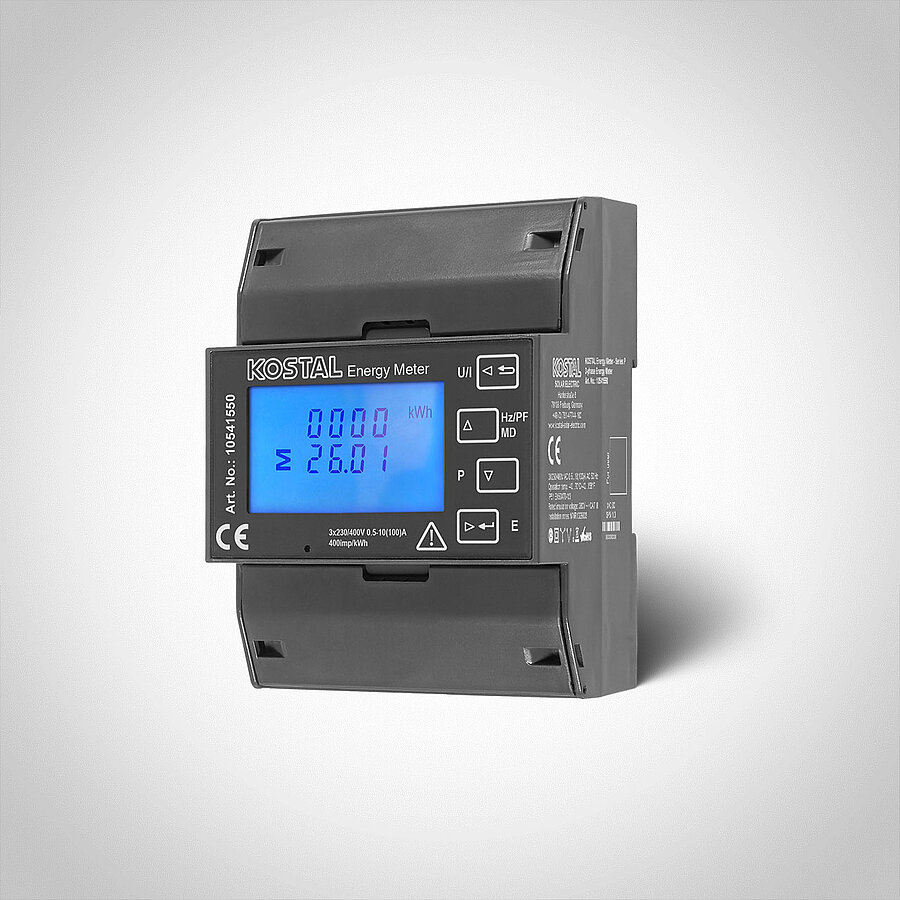
A battery storage system can increase self-consumption. Charging infrastructure makes solar power usable for business mobility. Smart energy management can better coordinate generation and consumption.
This gives an existing photovoltaic system new roles. Instead of merely generating energy, it can become the starting point for a more comprehensive operational energy system. The possible upgrades depend on the existing system and the technical conditions.
Flexible storage upgrades
A battery storage system does not necessarily have to be installed at the same time as the photovoltaic system. Existing systems can also be retrofitted with a storage solution, depending on the technology already in place.
AC-coupled storage concepts are particularly interesting in this regard. The storage system is integrated into the existing energy system on the AC side and can therefore operate independently of the existing PV generation technology.
This allows existing infrastructure to continue to be used whilst new functions are added. For example, the storage system can absorb surplus solar power, reduce grid consumption or be used for load management.
In this way, an existing PV system is gradually transformed into a more flexible energy system.
Integrating new consumers
The energy requirements of an existing business are also changing. Electric vehicles are being introduced, charging points are being installed, and processes previously powered by other energy sources are being electrified. New machinery can further alter the load profile.
A modernisation programme should therefore not focus solely on existing energy generation. Another crucial question is: which new consumers should the energy system supply in future?
Existing photovoltaic systems, additional PV capacity, battery storage and charging infrastructure can all be considered together. In this way, the energy supply grows in line with the company’s requirements without necessarily having to replace the entire existing system.
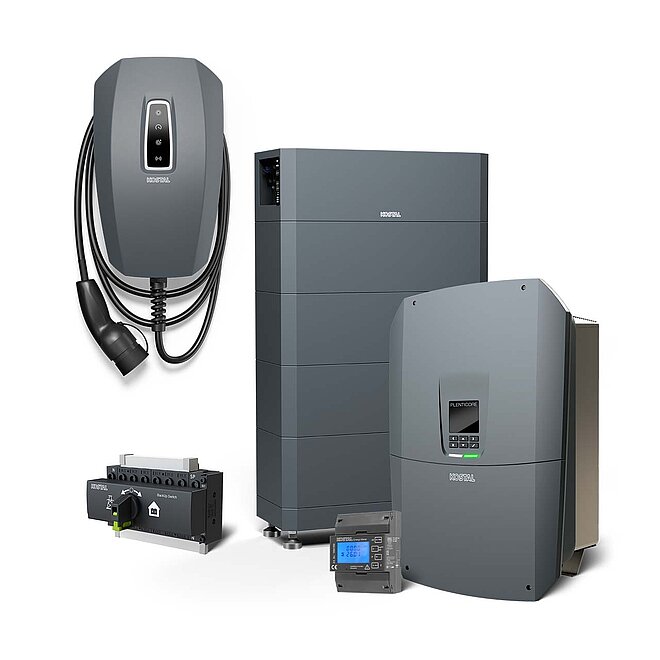
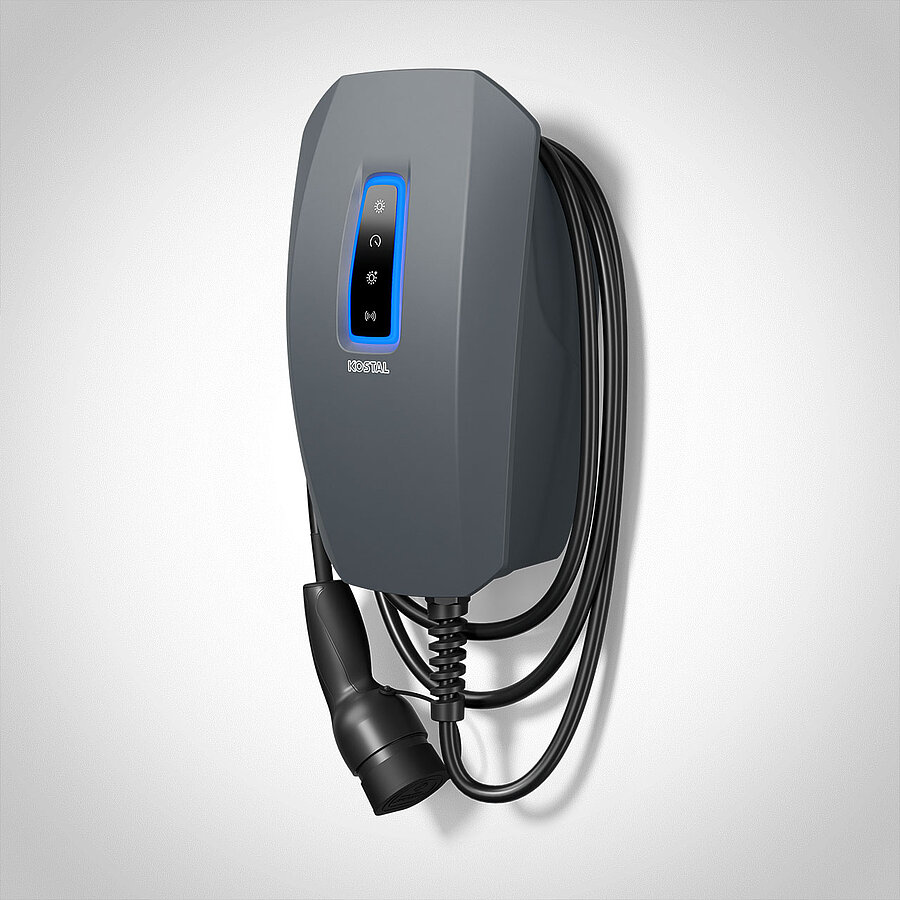
Curious? Find out more about the KOSTAL complete system comprising an inverter,
storage unit and wallbox. Simply download the latest leaflet!
Bringing together different producers
Particularly in the commercial and agricultural sectors, the energy supply does not always consist solely of photovoltaics. Other energy-generating facilities may already be in place at the site. These include, for example, combined heat and power plants or biogas plants.
A modern energy strategy does not consider these systems in isolation. Instead, the question is how existing and new energy sources can be utilised together: When is energy available? When is it needed during operations? What surpluses arise? Which energy can be stored or sold?
This makes modernisation a systemic task: existing generation, photovoltaics, storage and consumers are considered as a whole.
Re-evaluating self-consumption
The economic conditions surrounding an existing plant may also change. Feed-in tariffs may expire or change, electricity prices may evolve, and new consumers may increase energy demand at the site.
As a result, a strategy that made economic sense when the system was commissioned may be viewed differently years later. Solar power, which has so far been fed into the grid for the most part, may, for example, become increasingly attractive for use in machinery, charging infrastructure or other electrical applications.
Battery storage systems also open up additional possibilities. It is therefore worth regularly reassessing existing installations: does the current use of the energy generated still meet today’s operational requirements?
Rethinking marketing
As framework conditions change, new marketing models may also become attractive. In addition to self-consumption and conventional feed-in, direct marketing can represent a further option – depending on the system and the specific circumstances.
Battery storage and controllable loads further increase the flexibility of the energy system. This enables a business to respond more effectively to when energy is generated, required, stored or fed into the grid.
Particularly in the case of older or larger energy installations, it is therefore worth looking beyond current operating practices. Modernisation means not only new hardware – but also rethinking how existing energy is utilised in a cost-effective way.
Step-by-step rather than a complete overhaul
Modernisation does not have to take place as a single large-scale project. Photovoltaic systems can be expanded, a battery storage system added, or charging infrastructure installed at a later date. The key is to ensure that the individual steps are technically compatible and that future expansions are taken into account.
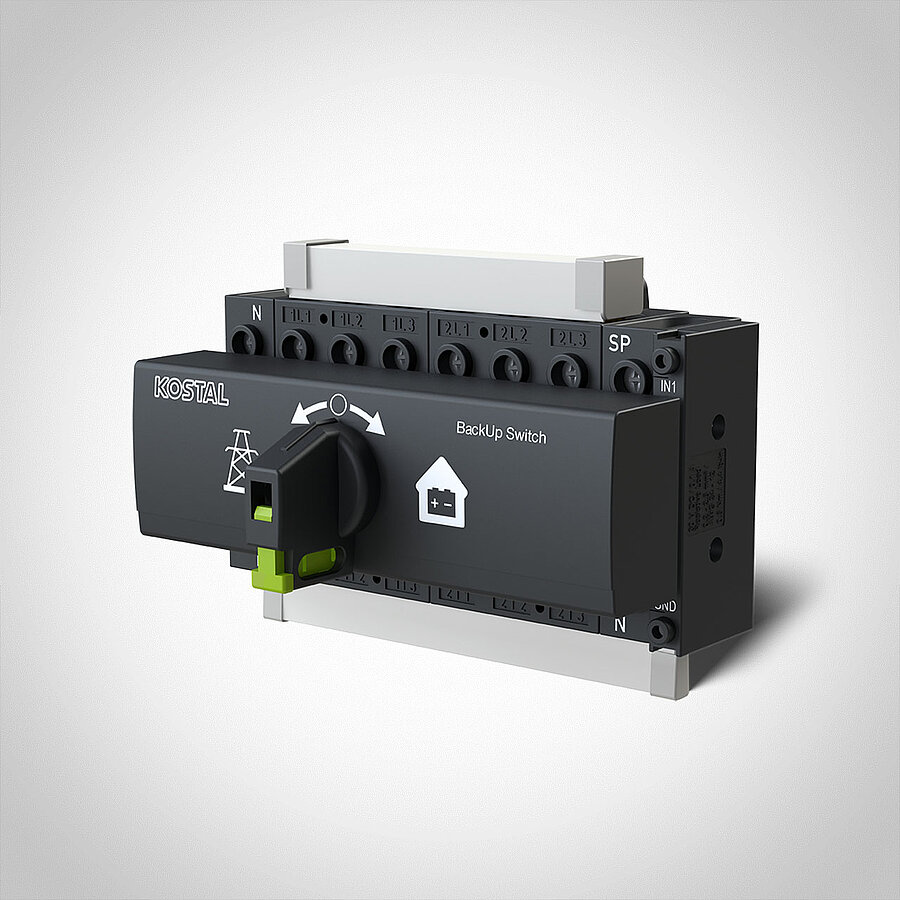
KOSTAL offers power and charging electronics solutions that enable existing and new components to be combined into a flexible energy system. AC-coupled storage solutions, in particular, open up possibilities for adding storage capacity to existing energy systems. This allows existing infrastructure to continue to be used whilst also being prepared for new requirements.
Making better use of what you already have
Anyone wishing to modernise their operational energy supply does not necessarily have to start from scratch. Existing photovoltaic systems and other energy generators can form the basis for an expanded energy system. Storage, charging infrastructure and smart control systems open up new possibilities.
In this way, existing energy technology is transformed into a system that can continue to grow alongside the business and its requirements.
Discover photovoltaics for your home now and find your ideal KOSTAL specialist partner!