Installer portal
 Solar Academy
 Download
 Solar Terminal


Reducing peak loads in the commercial sector
using battery storage
Battery storage systems can absorb high power peaks and help businesses manage their electricity consumption from the grid more effectively

Limiting power in a targeted manner
When several high-power consumers are operating simultaneously, a business’s electricity demand can rise sharply for a short period. Such peak loads can affect energy costs, depending on the electricity tariffs in place.
A battery storage system can provide additional power precisely in these situations. Instead of drawing the entire requirement from the public grid, part of the energy needed comes from the battery.
This principle is known as ‘peak shaving’. The storage system thus takes on an additional role: not only does it make solar power available when needed, but it can also help to specifically optimise a business’s load profile.
Are
you looking to install your own solar system for your business?
Find your nearest KOSTAL installer on our overview map.
Peak loads explained simply
A business’s electricity demand is rarely constant throughout the day. Machinery is switched on, charging points are used, or other high-power equipment is started up simultaneously. As a result, the power drawn from the grid can rise significantly for short periods.
For certain business customers, it is not just the total amount of energy consumed that is relevant. The peak power drawn during a billing period can also be a factor in electricity costs.
That is why it is worth taking a look at the load profile. It shows not only how much energy a business consumes, but also when particularly high levels of power are required.
Battery storage absorbs peaks
A battery storage system can respond to a rise in power demand. If power drawn from the grid exceeds a defined threshold, the battery provides additional power to meet the demand. The required electricity is then supplied simultaneously from the grid and from the storage system.
If the power demand falls again, the battery no longer needs to provide support. Put simply, this means:
Power demand rises → Battery provides support → Grid draw is limited
Operations can continue whilst the power required from the public grid is controlled more precisely. In this way, the storage system can ‘shave off’ short-term peaks in the load profile – hence the term ‘peak shaving’.
Making the most of solar power
When combined with a photovoltaic system, this opens up further possibilities. If the PV system generates more energy than the business currently needs, a battery storage system can store the surplus solar power.
This stored energy can be used again later – for example, when the business’s electricity demand rises and a peak load is imminent. This gives the business’s own solar power an additional function:
Store solar power during the day → use the battery when power demand is higher → limit grid consumption
The storage system can therefore both increase the self-consumption of solar power and support the company’s load management.
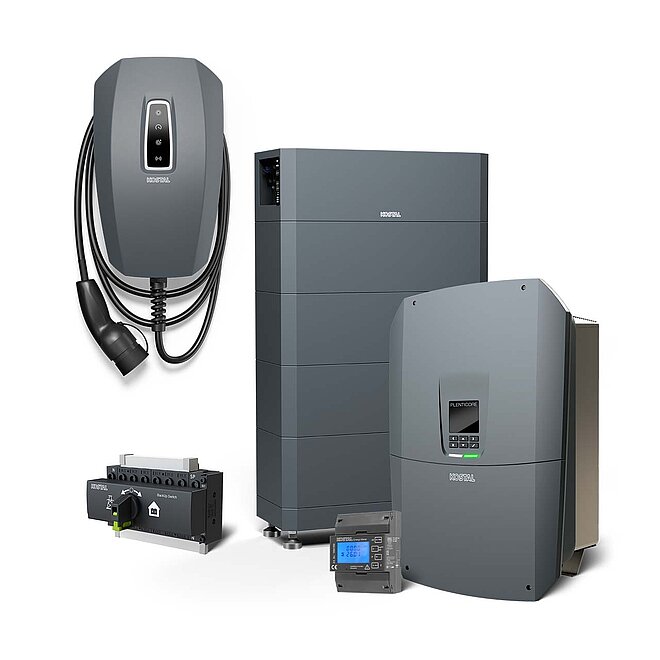
Curious? Find out more about the KOSTAL complete system comprising an inverter,
storage unit and wallbox. Simply download the latest leaflet!
The load profile is the deciding factor
Peak shaving is not equally relevant for every business. The key factors are how electricity consumption is distributed throughout the day, how frequently high power peaks occur, and the terms of the relevant electricity contract.
A business with relatively constant power requirements has different needs to one with short, regularly occurring peaks. The actual load profile should therefore be analysed before designing a storage system.
The aim is not to install the largest possible battery, but rather a storage system whose power and capacity are suited to the specific application.
Take new consumers into account
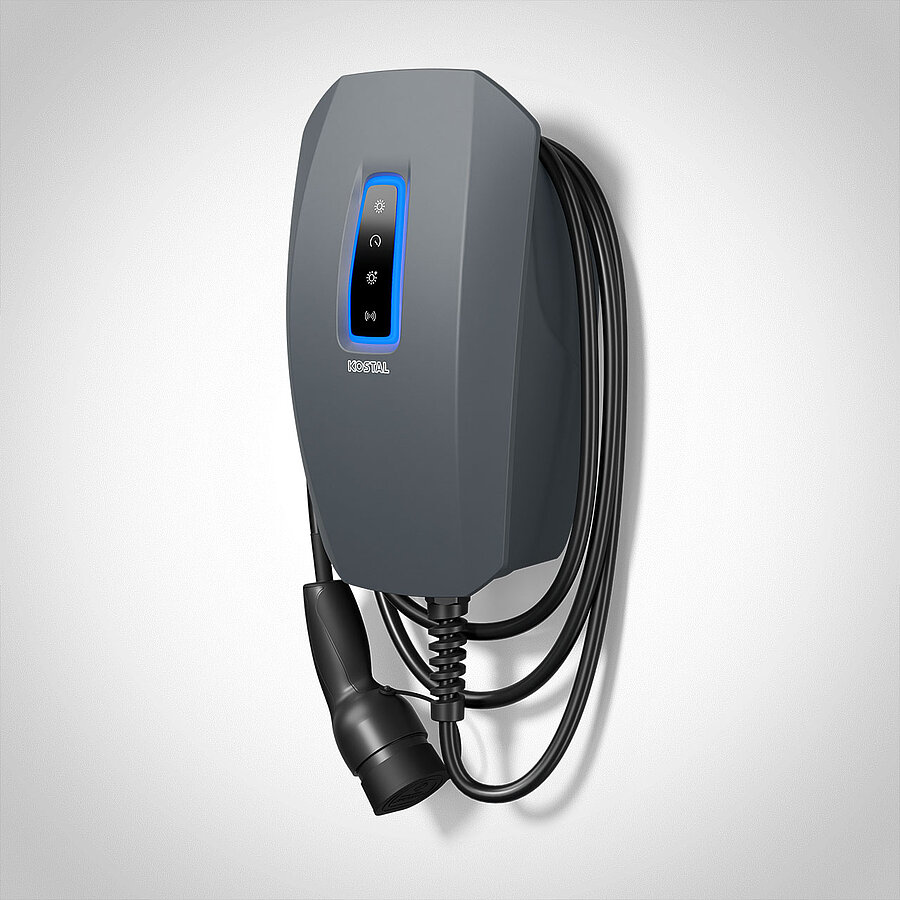
Electrification can alter a company’s load profile. Charging infrastructure for electric vehicles, in particular, creates new high-power consumers. If several vehicles are charged simultaneously, the power demand at the site can rise significantly.
New machinery, electric heat generators or other operational processes can also generate additional loads. Intelligent load management can help to coordinate these loads. Battery storage systems provide additional flexibility when timing-based control alone is insufficient.
This makes peak shaving an attractive option even for businesses looking to expand their premises or increase their level of electrification.
Making better use of the grid connection
Rising electricity demand does not automatically mean that unlimited additional grid capacity is available on-site. Particularly with new high-power consumers, the available connection capacity can therefore become a key factor.
Load management and battery storage can help to utilise existing capacity in a more targeted manner. Peaks are reduced and flexible loads can be better synchronised over time. This can be relevant, for example, when setting up larger charging infrastructure or expanding electric operational processes.
However, whether this can prevent or reduce the need to upgrade the grid connection must always be assessed technically on a site-by-site basis.
Smart energy management
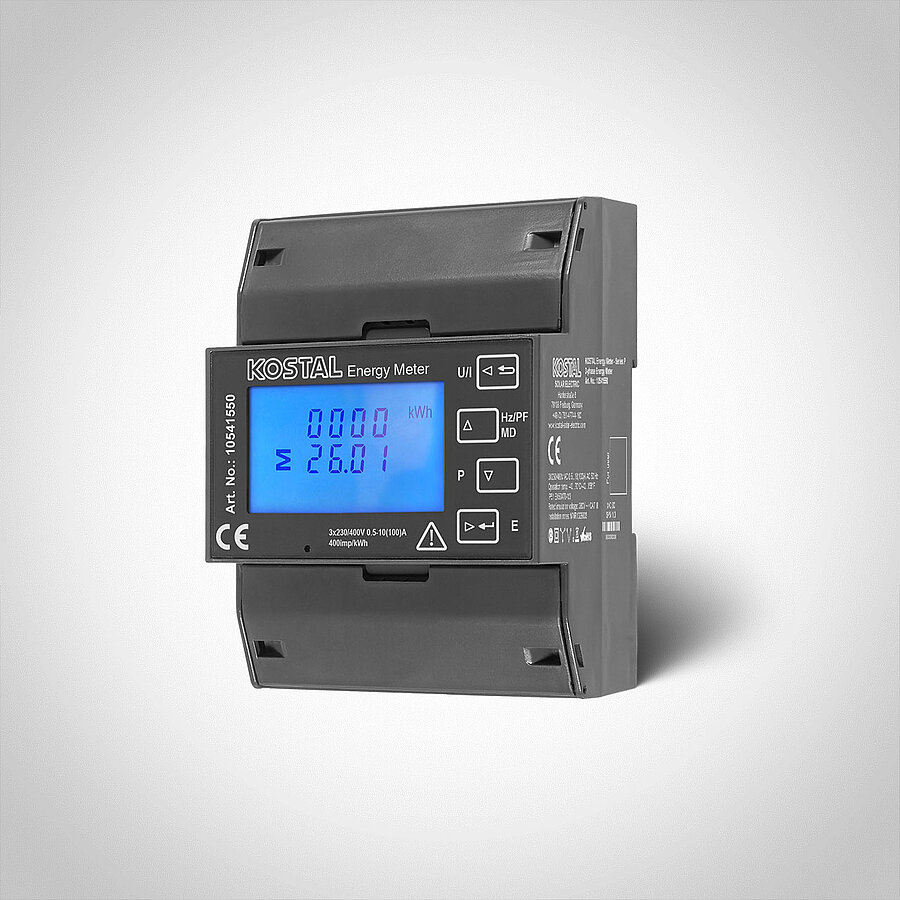
For peak shaving to work reliably, electricity consumption, grid draw and battery storage must be continuously coordinated. Energy metering and intelligent control form the basis for this. They identify the current power demand and determine when the battery storage should provide support.
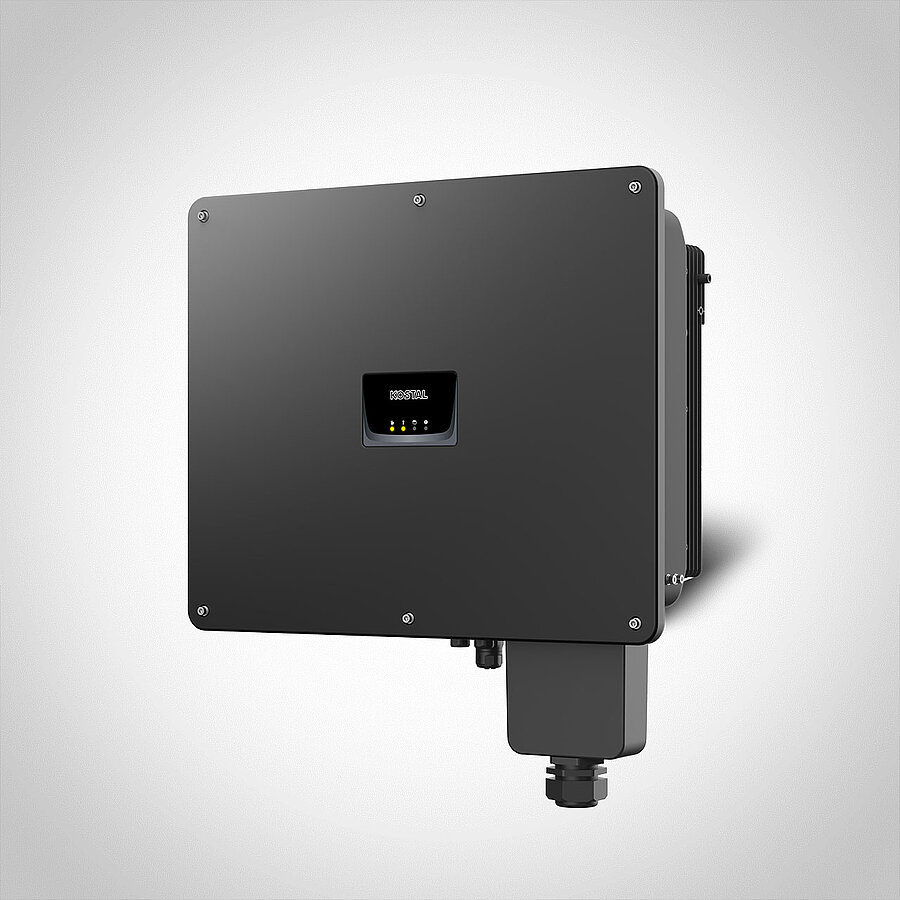
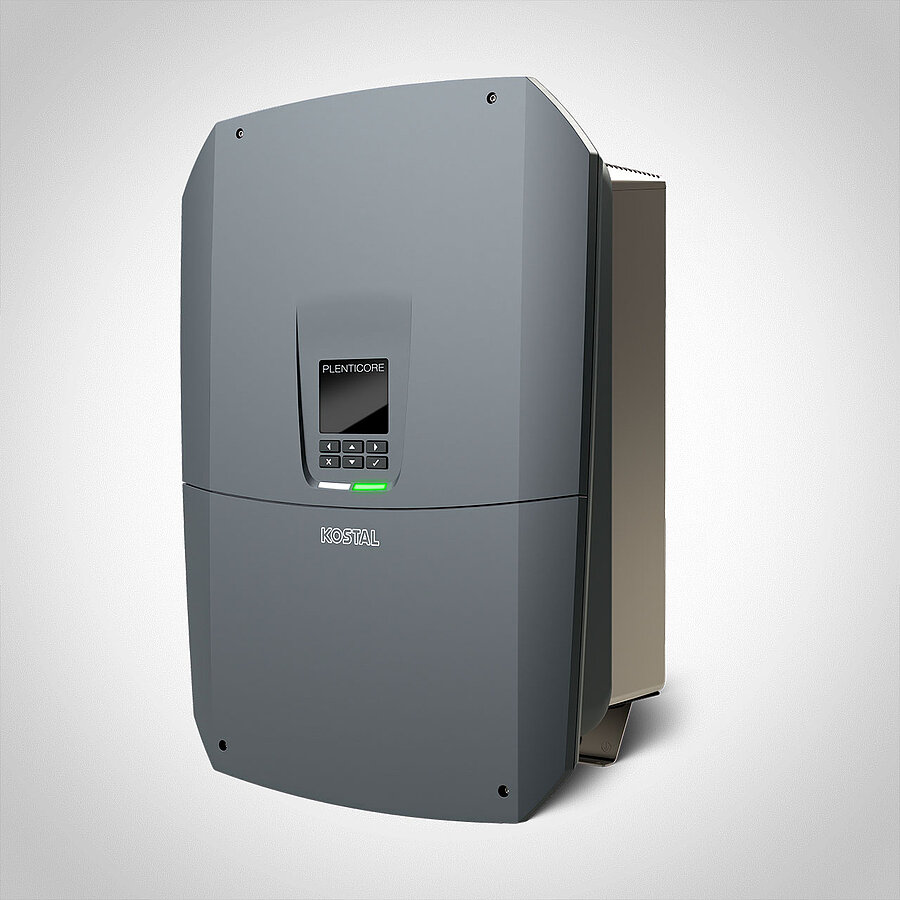
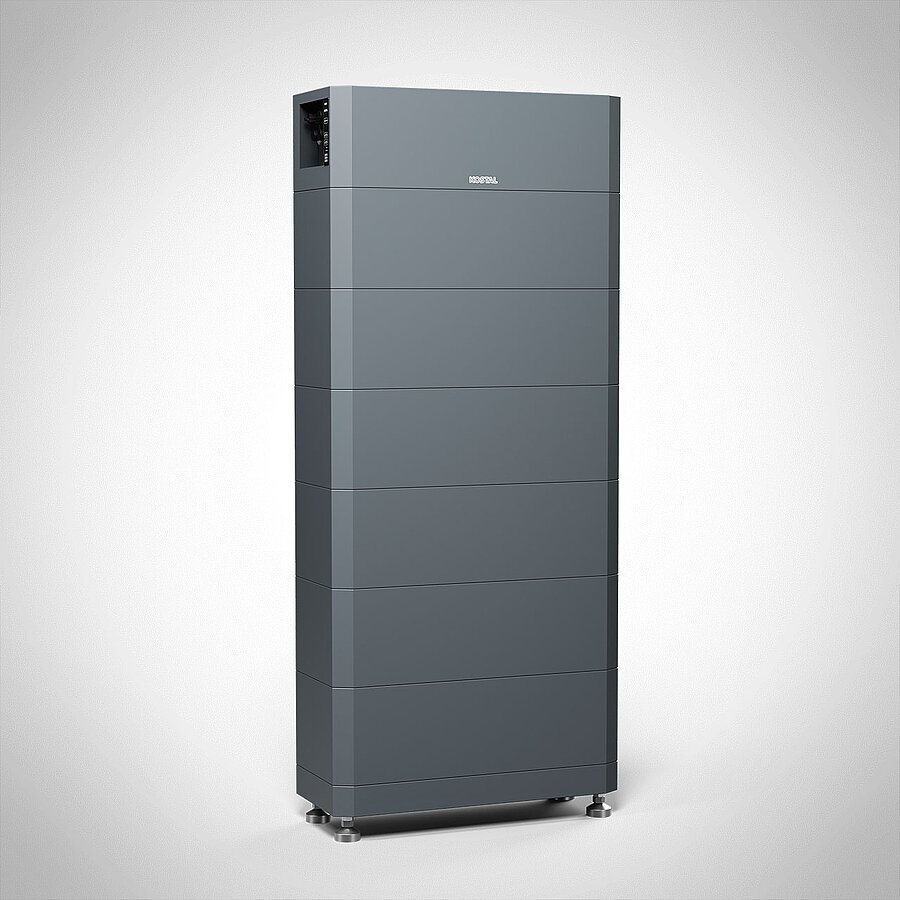
When combined with photovoltaics, further information can be taken into account: How much solar power is currently being generated? How much energy is available in the storage system? Which loads can be controlled flexibly? KOSTAL offers solutions that enable photovoltaics, battery storage and energy metering to be integrated into a coordinated operational energy system.
Reducing peaks, managing power
In a commercial setting, a battery storage system can do more than simply store surplus solar power for later use. Through peak shaving, it provides power in a targeted manner when the business’s electricity demand rises at short notice. This allows the amount of power drawn from the public grid to be limited and the load profile to be optimised.
In this way, the battery storage system transforms from a mere energy storage solution into an active tool for intelligent operational load management.
Discover photovoltaics for your home now and find your ideal KOSTAL specialist partner!