
 Installer portal
 Solar Academy
 Download
 Solar Terminal


Photovoltaics for warehouses
Make the most of large roof areas to generate your own solar power.
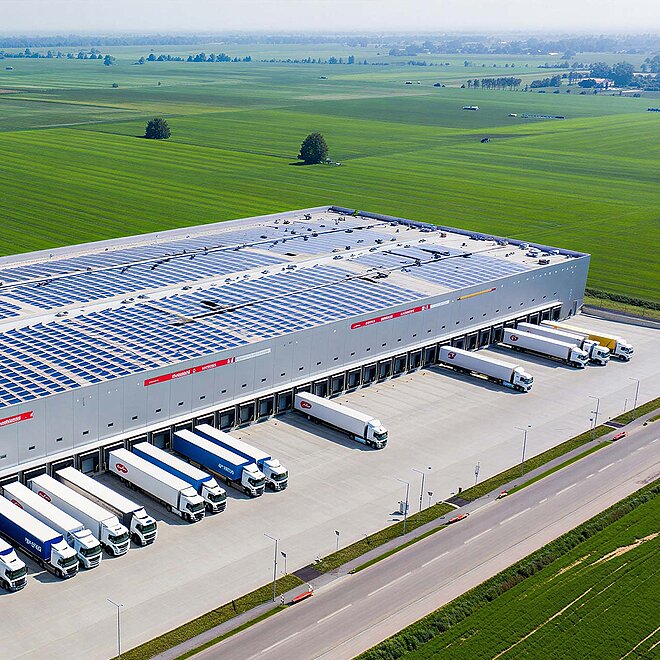
Warehouses often offer ideal conditions for photovoltaic systems: large, contiguous roof areas enable the generation of significant amounts of solar power. At the same time, warehousing and logistics sites require energy for lighting, conveyor systems, cooling, building services, IT and charging infrastructure.
With your own photovoltaic system, previously unused roof space becomes an active part of your energy supply. You can use solar power directly on site, reduce the amount of electricity drawn from the grid, and feed surplus energy back into the grid or sell it.
Find a KOSTAL installer near you now
Why photovoltaics are particularly attractive for warehouses
When it comes to warehouse and logistics properties, two factors come together: a large amount of available roof space and growing energy demand at the site. This makes photovoltaics an attractive option for both owner-occupied warehouses and logistics sites.
- Making productive use of large roof areas: Warehouses often have large, relatively contiguous roof areas. Photovoltaics transforms these into areas for energy generation – without taking up any additional land.
- Reducing electricity costs: Solar power consumed directly on-site reduces the amount of electricity drawn from the public grid. This is particularly beneficial for facilities that operate regularly throughout the day.
- Making energy costs more predictable: With your own PV system, you generate part of the energy you need yourself. This means that part of your electricity requirements becomes less dependent on future trends in electricity supply prices.
- Preparing the site for future energy requirements: Logistics and transport are becoming increasingly electrified. Charging points for cars, vans or other electric vehicles can significantly alter a site’s electricity requirements.
A PV system should therefore not only be planned for current consumption, but should also take future requirements into account.
How much solar panel capacity can a warehouse accommodate?
A large roof area offers great potential. However, the largest PV system technically possible is not automatically the best solution for a particular site.
When determining the system size, the following factors, amongst others, should be taken into account:
- available and suitable roof area
- Structural integrity and condition of the roof
- skylights and other roof structures
- Orientation and shading
- Electricity consumption at the site
- Load profile throughout the day
- Consumption on weekdays and at weekends
- Existing grid connection
- Future charging infrastructure
- Desired self-consumption
- Feeding surplus energy into the grid or selling it
These factors are used to develop a system concept that is tailored to the property and its
actual use.
Using solar power directly on site
Just how attractive self-consumption is depends very much on the types of consumers present in the warehouse and on the premises.
Solar power can, for example, be used for:
Lighting
: Large halls and outdoor areas require electric lighting for a significant part of the day, depending on their use.
Conveyor and storage
technology: Conveyor belts, automated storage systems, packaging lines and other technical equipment require energy whilst in operation.
Refrigeration and air conditioning
In temperature-controlled warehouses, refrigeration systems can be among the site’s largest consumers of electricity.
Building services and IT
: Ventilation, security systems, servers, office areas and other electrical loads make up the site’s base load.
Charging infrastructure
: Company cars, industrial trucks, vans or, in the future, other parts of a vehicle fleet can be charged using self-generated solar power.
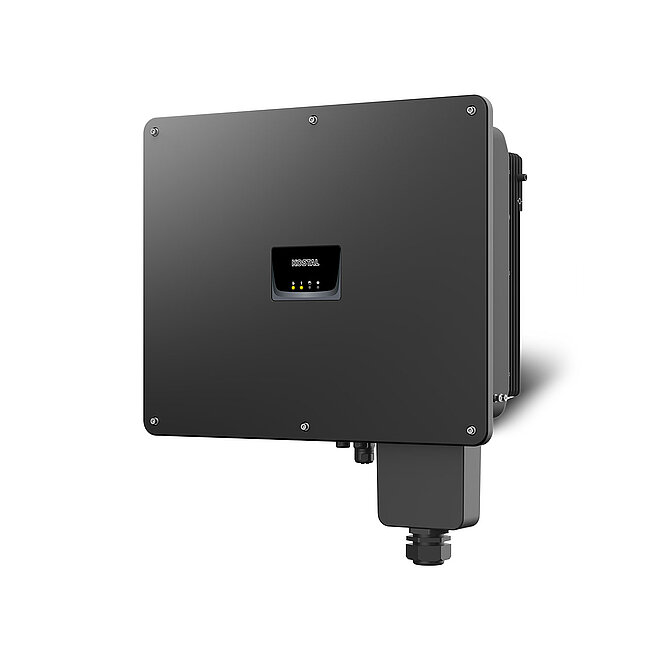
Inverters for photovoltaic systems on warehouses
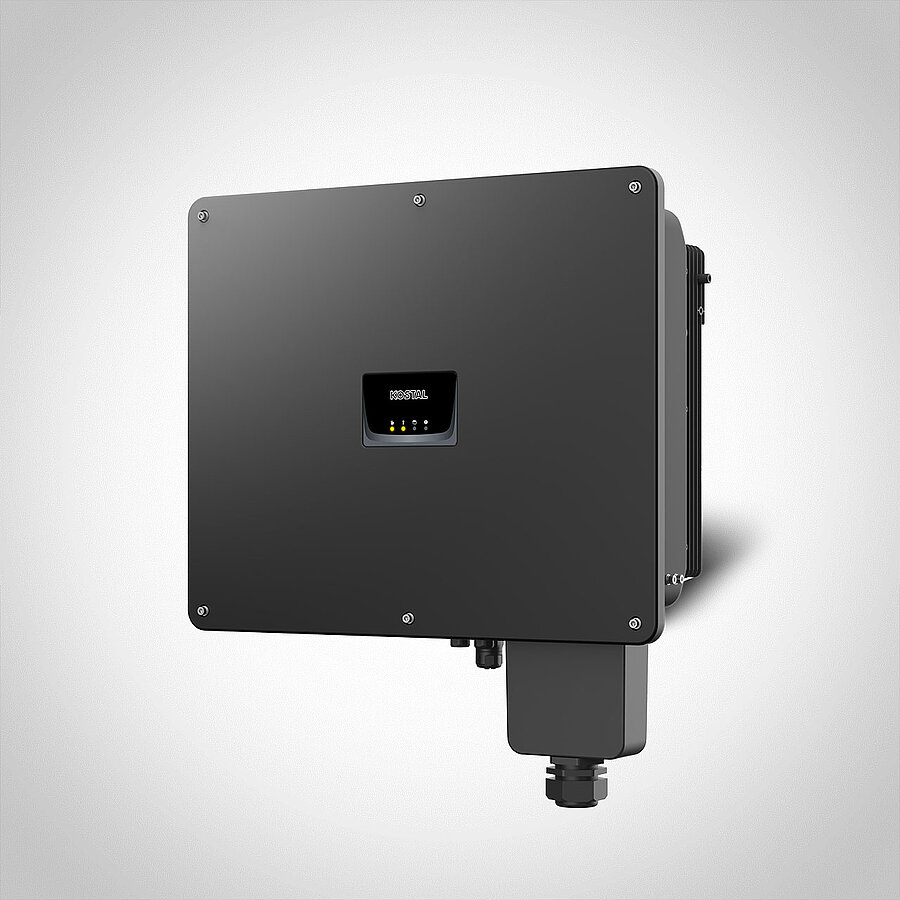
For larger PV systems, in addition to efficient energy conversion, flexible system planning, professional communication and installation that is as straightforward as possible are essential.
KOSTAL PIKO CI 30/50 G2
The PIKO CI G2 is designed for commercial photovoltaic projects and is available in
two power ratings.
PIKO CI 30 G2
- 30 kW AC rated power
- Up to 45 kWp PV power
- 3 independent MPP trackers
- 6 DC inputs
PIKO CI 50 G2
- 50 kW AC rated power
- Up to 75 kWp PV capacity
- 4 independent MPP trackers
- 8 DC inputs
The PIKO CI G2 thus offers a range of options for the design
of PV systems on warehouse and logistics buildings.
Tip: You can find the latest data sheet in our downloads section
The hall roof as part of the energy strategy
A large warehouse is not just floor space beneath a roof. The roof area itself can also contribute to the site’s energy supply. Photovoltaics can serve as the starting point for a more comprehensive energy strategy:
PV generation → self-consumption → feeding into the grid and selling surplus electricity → charging infrastructure → future electrification
Which combination makes sense depends on the building, consumption levels and the future use of the site.
Would you like to harness the PV potential of your warehouse?
The amount of photovoltaic capacity suitable for your warehouse roof depends on the roof area, electricity consumption, grid connection and your future requirements. A qualified specialist contractor can assess the technical requirements and develop a suitable system concept based on these.
Turn your roof space into an energy-generating space. Find a KOSTAL installer near you now