Installer portal
 Solar Academy
 Download
 Solar Terminal
Tradition Meets High-Tech: How a Farm in Hagen Focuses on Solar Self-Consumption
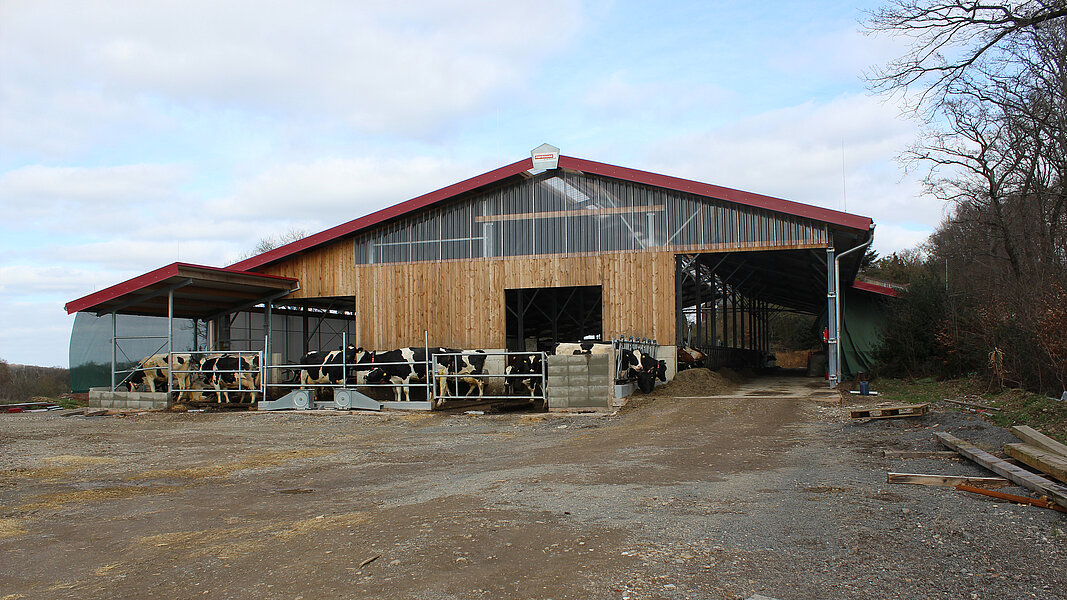
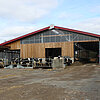
Standing on the 100 hectares of land in Hagen, you immediately sense it: agriculture is practiced here with foresight. The centerpiece of this modern showcase farm is the new Benninghaus dairy barn in Hagen (Westphalia). Around the clock, 85 cows and two continuously operating milking robots deliver peak performance. But this progress comes at a price—especially on the electricity bill.
The Challenge: 24/7 Operations Require Calculable Costs
A modern barn never sleeps. Automated milking systems, continuous milk cooling, slurry pumps, and uninterrupted lighting consume energy day and night. Faced with enormous annual electricity demands, the farmer reached a strategic crossroads:
“The plan was clear: if we build anew, we have to keep energy costs permanently under control,” the farmer recalls.
A high-performance PV system paired with a generously sized battery storage unit was needed. The overarching goal: maximum self-sufficiency for the entire farm – from the milking systems for milk production and the farm butchery to supplying the poultry housing for in-house egg production.
The solution: a perfectly coordinated power plant from a single source
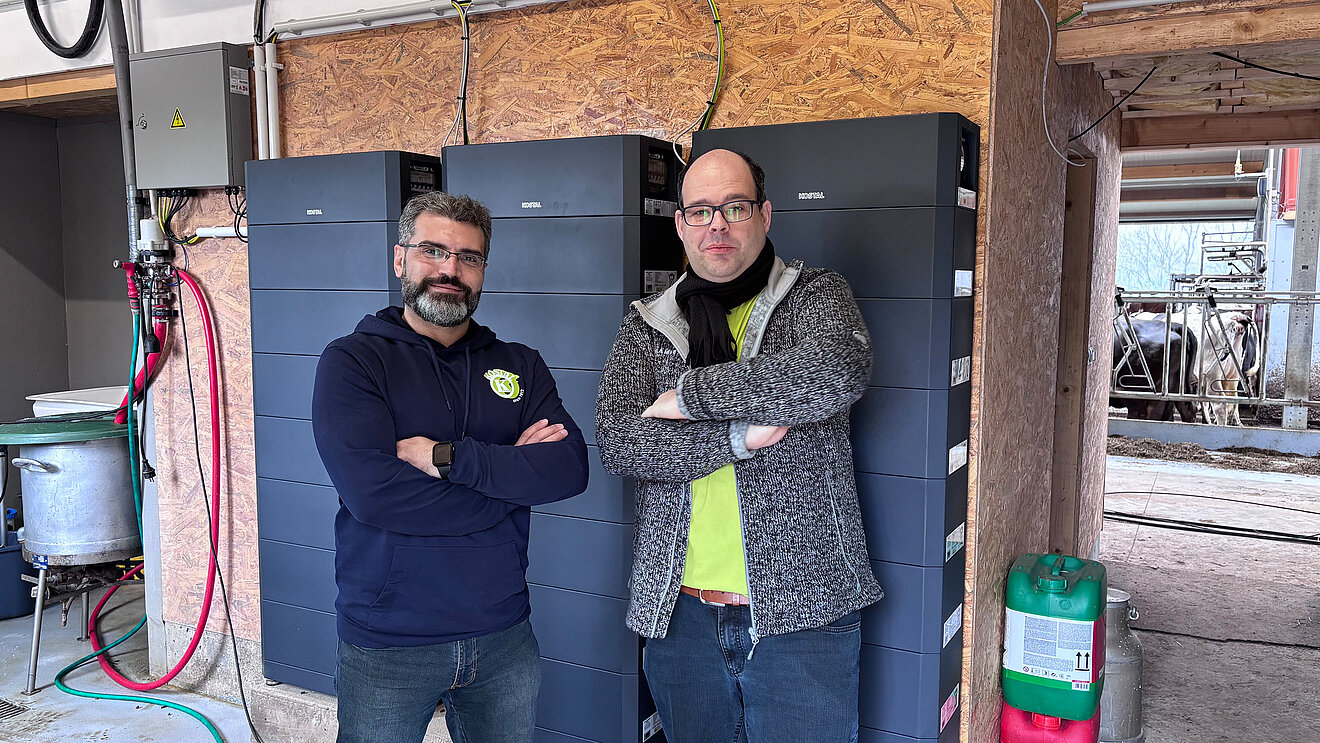
For planning and implementation, the farmer enlisted an experienced partner: the team of specialists from Solar Wiebe from Gummersbach. The choice of components intentionally fell on a cohesive end-to-end system from the long-established German manufacturer KOSTAL.
“We want to offer our customers everything from a single source,” explains installer Chris. “If any questions arise, we have just one contact partner for the entire system. That saves valuable time and gives everyone involved maximum peace of mind.”
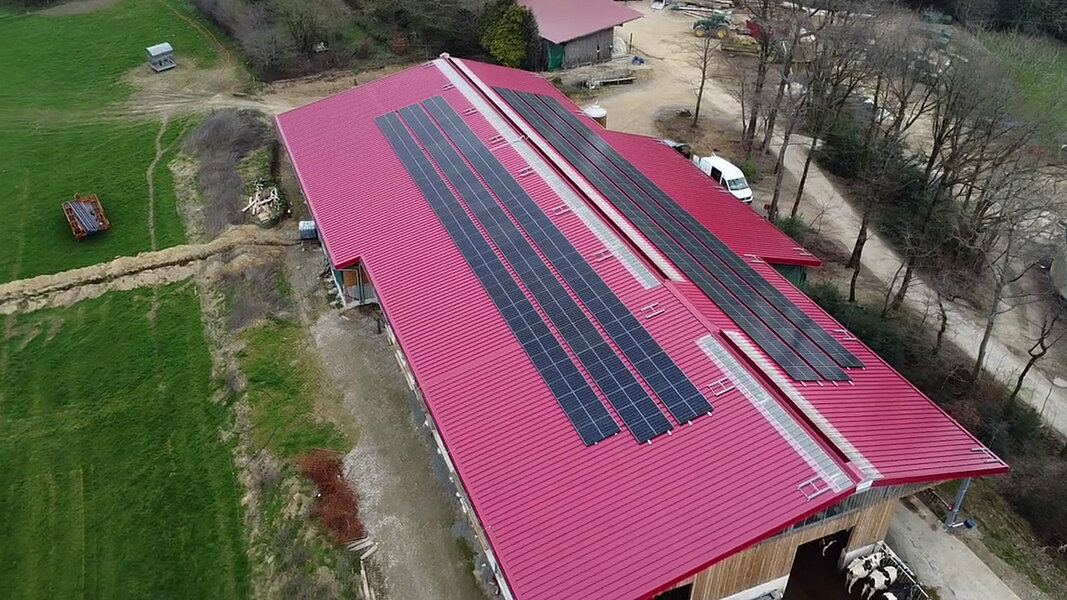
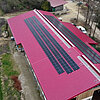
A veritable power plant with an output of 99 kWp was built across the barn roofs:
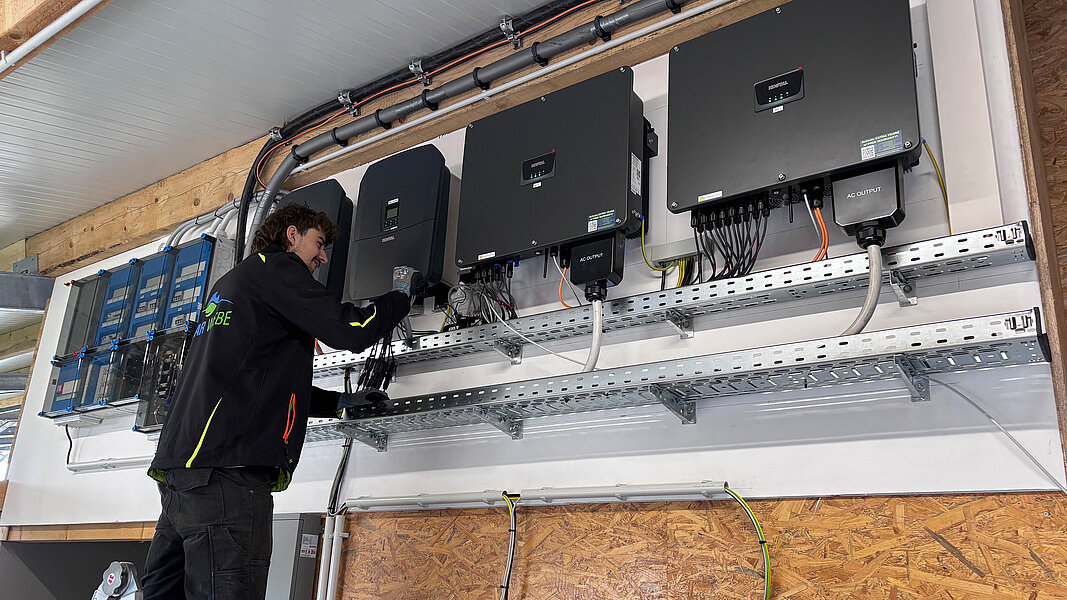
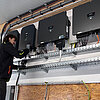
- The workhorses: the PIKO CI 50 G2 and PIKO CI 30 G2 inverters convert solar power with high efficiency. A practical benefit for the installers: despite their considerable output, the units weigh only 44 kg and 33 kg, respectively. “In this performance class, they are among the lightest models on the market. That made wall mounting in the barn and the wiring enormously easier,” says Chris.
- Intelligence meets storage: a new PLENTICORE G3 hybrid inverter works hand in hand with the PLENTICORE BI 25 battery inverter, achieving a charge and discharge capacity of around 40 kW.
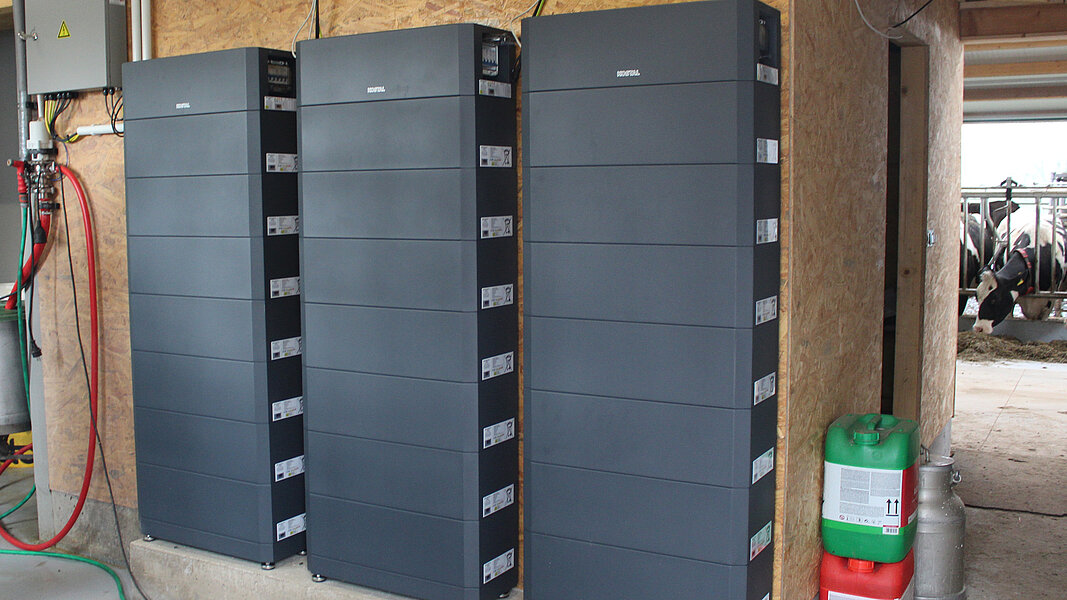
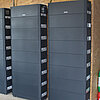
- The iron reserve: to ensure that milking robots and cooling systems run reliably on self-generated solar electricity through the night, the KOSTAL HELIVOR HV storage unit buffers surplus daytime solar yields with a substantial 67.2 kWh capacity.
The conductor on the barn wall: how MDC binds the technology together
Where several inverters work as a team, clear leadership is essential. On the farm, the PLENTICORE BI 25 takes on this role: acting as the MDC host, it coordinates the other devices via LAN – from the PLENTICORE G3 to the PIKO CIs. Instead of tedious individual configurations, the entire control process runs centrally and efficiently through a single web interface.
The tangible benefits for farm operations:
- Support for milking robots & cooling: For heavy consumers operating 24/7, dependable processes are mandatory. MDC aligns storage cycles precisely with the barn’s peak loads and visualizes all energy flows transparently at a glance.
- Automatically future-proof and grid-compliant: The host distributes statutory curtailment mandates (Section 9 EEG, Section 14a EnWG) instantaneously to all networked inverters – entirely without manual readjustment.
- Savings during bad weather: When the winter sun is insufficient, MDC integrates dynamic electricity tariffs and selectively recharges the storage network from the grid whenever wholesale power exchange prices hit rock bottom.
The result: when solar self-consumption pays off in record time
For the farmer, two factors mattered above all from day one: cost-effectiveness and independence. Initial operating data proves in black and white how accurately the system was sized:
since commissioning in mid-March 2026 up to the beginning of September, the system has generated 76 MWh of solar electricity. More than half of that – an impressive 53 percent – directly powered the machinery and cooling facilities on the farm, while the remaining 47 percent flowed into the public grid. With a summer self-sufficiency rate of a proud 94 percent, the operation saved well over 11,000 euros in electricity costs in just under six months.
Thanks to this strong performance, the entire commercial installation is projected to amortize in roughly five years.
“What matters most to me is the big picture: Am I covering my own demand reliably? Is everything running smoothly?” the farmer concludes with satisfaction.
The answer: Yes. Around 900,000 kg of milk per year are now produced on the farm almost entirely through the power generated on its own roofs.
Looking ahead: there is room for more
The energy concept is modular by design and expands with growing requirements. The KOSTAL ENECTOR wallbox was installed right from the start as a forward-looking measure and can be seamlessly integrated into the existing MDC energy management system via the PLENTICORE G3.
Concrete plans are already underway to acquire a first electric vehicle for farm operations. It doesn’t have to stop there: an electric wheel loader and an electrically powered feed mixer are also on the wish list.
And should the farm’s energy appetite grow further? Not a problem.
“There’s plenty of roof space left,” smiles the farmer.
The success story from Hagen proves: those who invest in future-proof agriculture and rely on experienced regional specialists alongside well-engineered system technology secure their independence from unpredictable electricity prices – and produce regional food powered by solar energy directly from their own roofs.